Collections
Five Landscape Prints That Always Look Good in Any Home
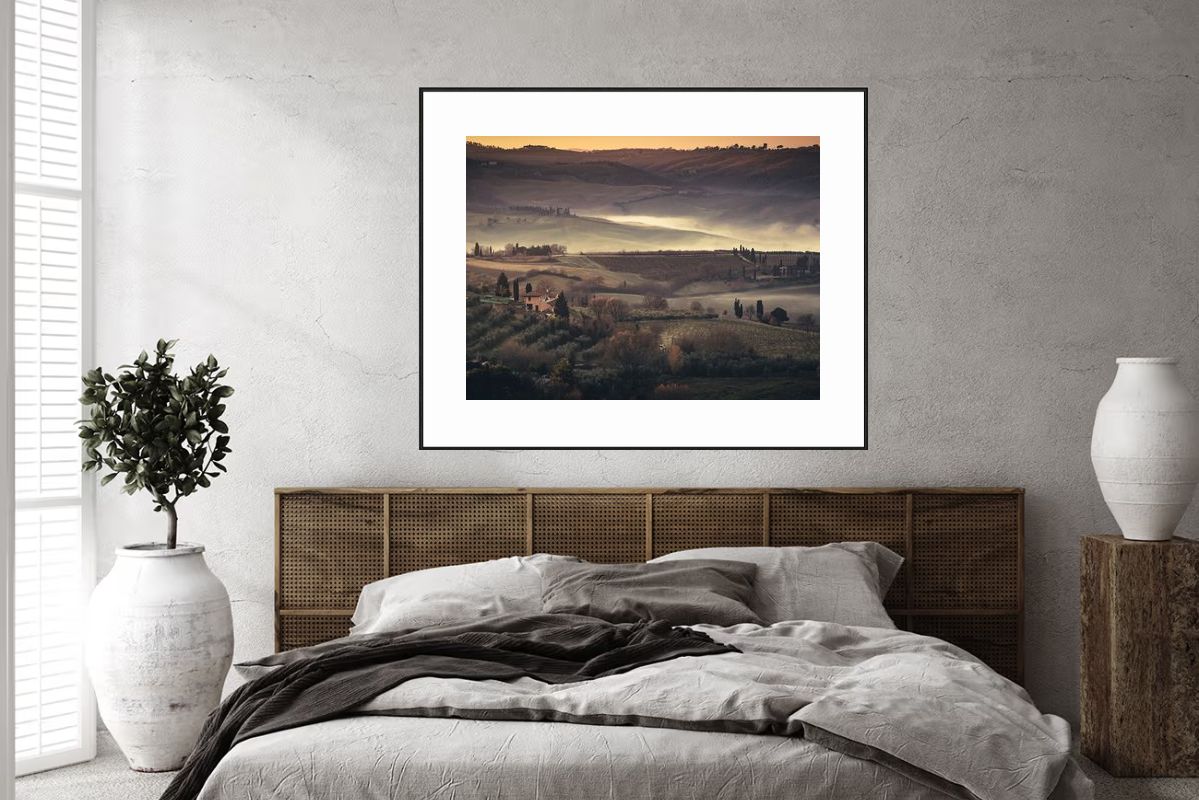
Some landscape prints work everywhere. Here are five types of landscape prints that always look good in any home, any style, any room—guaranteed to work.
9 min read
Museum-quality prints don't have to be confusing. This starter guide explains materials, sizes, and what actually matters when buying archival, professional prints.
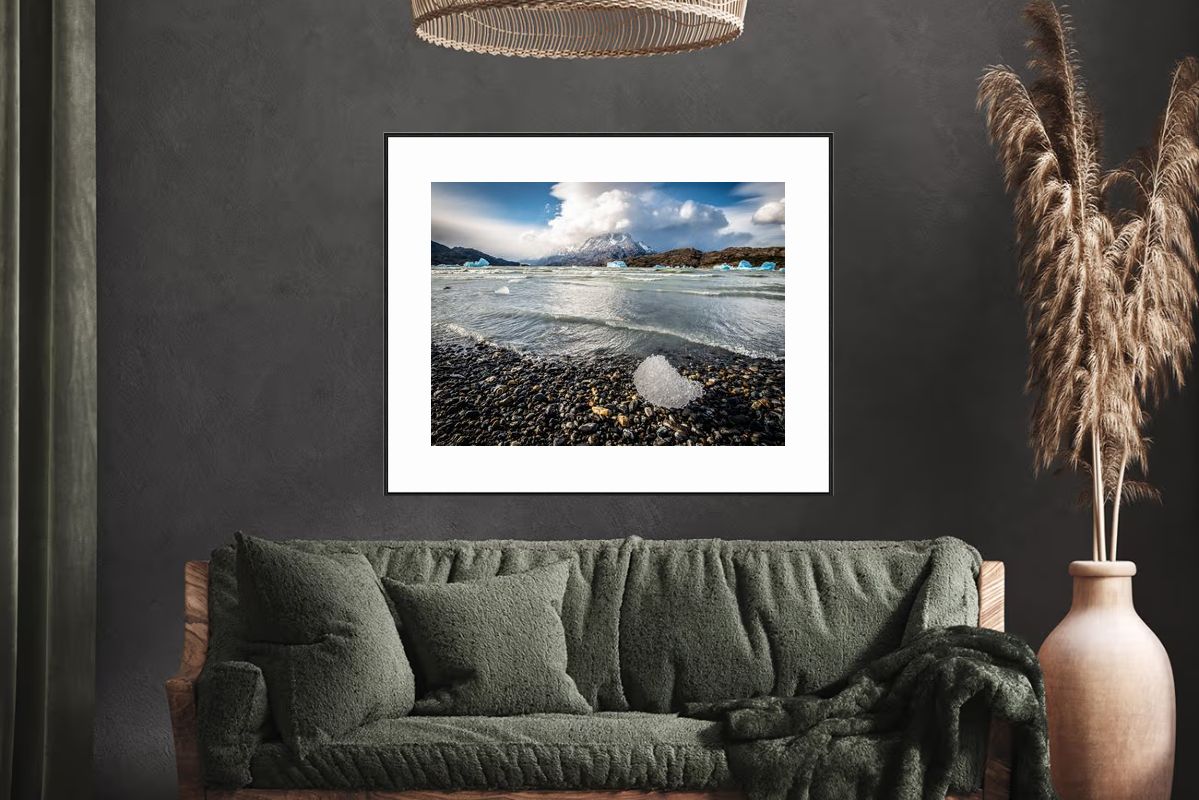
Starter Guide to Museum-Quality Prints: Materials, Sizes, and What Actually Matters
"Museum-quality" gets thrown around a lot, but what does it actually mean? And what should you care about when buying prints? This starter guide cuts through the marketing and explains what actually matters: materials, sizes, and quality indicators you can understand.
Museum-quality means: Prints made with materials and processes that meet museum standards for longevity and quality.
In practice: Archival materials, professional printing, will last 50+ years without fading or deteriorating.
Why it matters: Your art will last generations, not just years.
Archival paper:
What to look for: "Archival," "acid-free," "museum-grade" in descriptions.
Why it matters: Paper quality determines how long your print lasts.
Archival inks:
What to look for: "Pigment inks," "archival inks," "fade-resistant" in descriptions.
Why it matters: Ink quality determines color longevity.
Options:
What to look for: Material type, archival quality, durability.
Why it matters: Substrate affects appearance, durability, and presentation.
Common print sizes:
What matters: Size relative to your space, not absolute dimensions.
Above furniture:
Standalone walls:
The key: Proportion matters more than absolute size.
Common ratios:
What matters: Ratio should match your space and composition preference.
Look for:
These indicate: Real quality, not just marketing.
Don't worry about:
Focus on: Materials, printing quality, presentation.
Best for:
Look for: Archival, acid-free, cotton or alpha-cellulose base.
Quality indicators: Weight (heavier often better), texture, finish.
Best for:
Look for: ChromaLuxe or equivalent, professional printing, UV protection.
Quality indicators: Smooth finish, color accuracy, edge quality.
Best for:
Look for: Archival canvas, professional printing, proper stretching.
Quality indicators: Canvas weight, printing resolution, finish quality.
Best for:
Considerations: Need proper framing, can get lost in large spaces.
Best for:
Considerations: Good balance of size and price, works in most spaces.
Best for:
Considerations: Need adequate wall space, higher price, big impact.
Best for:
Considerations: Significant cost, need substantial space, major impact.
Answer: Depends on your preference and space. Paper is traditional, metal is modern. Both can be museum-quality.
Answer: 200-300 gsm is good. Heavier often indicates quality, but not always necessary.
Answer: No. Open editions can be just as high quality. Limited editions offer exclusivity, not necessarily better quality.
Answer: Professional giclée or archival inkjet are both excellent. Method matters less than quality of execution.
Museum-quality prints require:
What matters:
What doesn't matter as much:
Remember: Museum-quality is about materials and processes that meet museum standards. Look for archival materials, professional printing, and quality presentation. The rest is details.
Your art should last generations. Museum-quality materials ensure it will.
Some landscape prints work everywhere. Here are five types of landscape prints that always look good in any home, any style, any room—guaranteed to work.
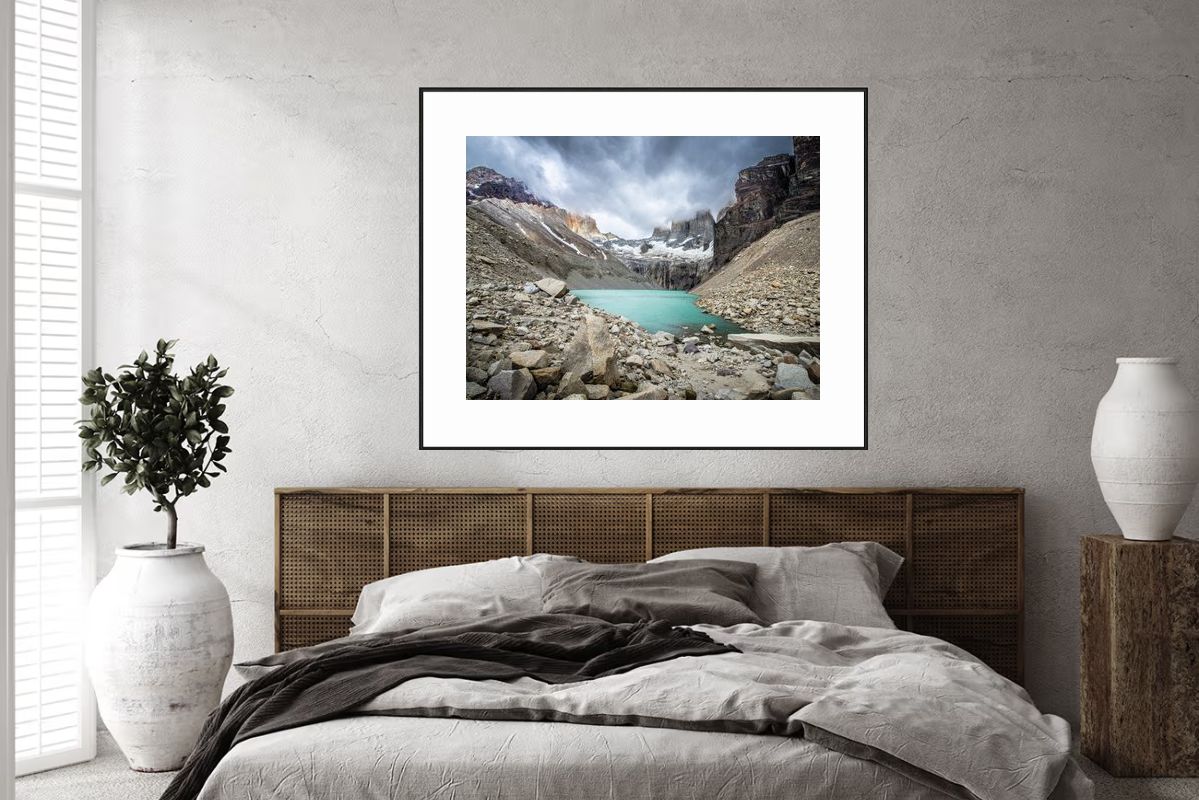
Buying your first art print? Use this simple checklist to ensure you choose a piece you'll love, that fits your space, and represents good value.
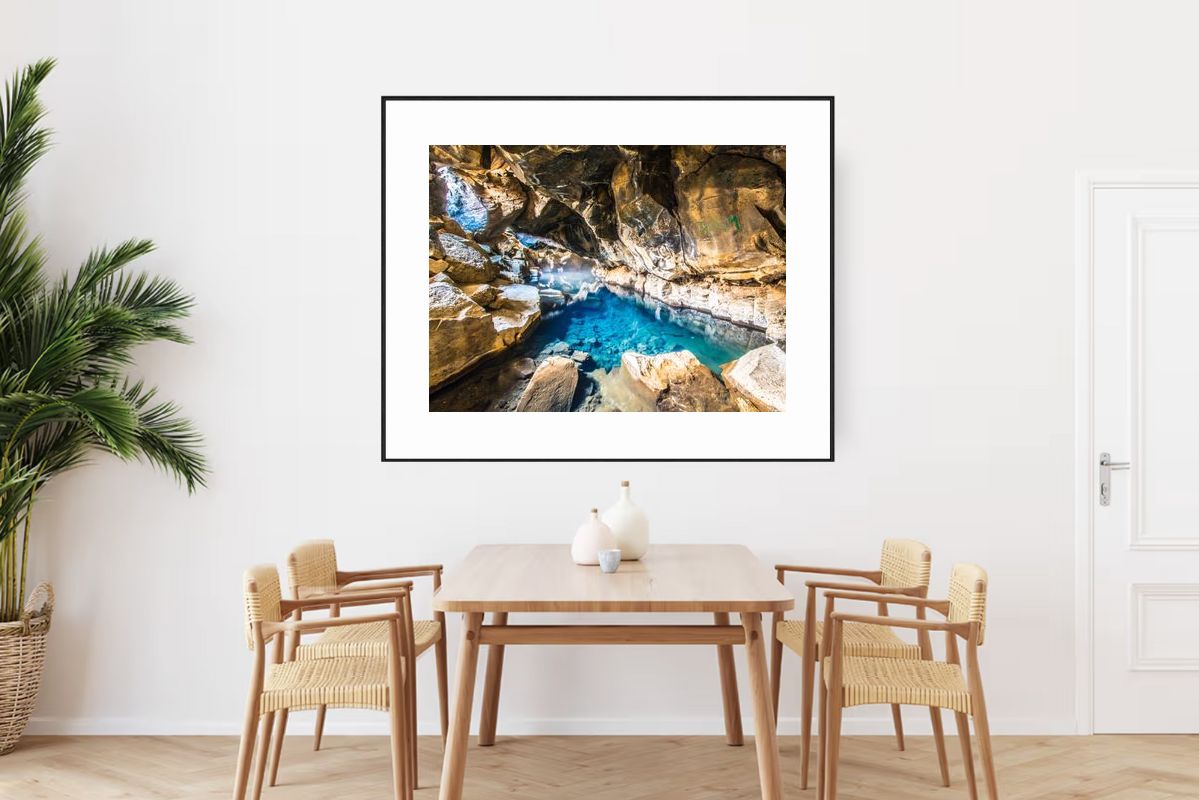
You don't need gallery prices to start an art collection. Learn how to build a beautiful collection on a realistic budget, without compromising on quality or style.