Buying Guides
The Easy Way to Choose Art You'll Never Get Tired Of
The best art is art you'll love for years. Here's the easy way to choose art you'll never get tired of—simple rules for timeless art selection.
9 min read
Tired of art terminology that confuses more than it helps? This guide explains art selection in plain language, without the jargon, so you can make confident choices.
Choosing Art Without the Jargon: A Clear, Modern Guide
Art buying is full of jargon: "giclée," "archival," "limited edition," "certificate of authenticity." It's enough to make you want to give up before you start. But you don't need to learn art language to buy beautiful art. Here's everything explained in plain English.
You don't need to know:
You do need to know:
Jargon: "Limited edition print"
Plain English: Only a certain number will ever be made (like 20 or 50 prints total). Once they're gone, they're gone. Usually means higher quality and value.
Do you need it?: Nice to have, not required. Open editions (unlimited) can be just as beautiful.
Jargon: "Archival materials," "museum quality"
Plain English: Made with materials that will last a long time without fading or deteriorating. Good paper, good ink, proper printing.
Do you need it?: Yes, if you want it to last. Look for "archival" or "acid-free" in descriptions.
Jargon: "Giclée print"
Plain English: High-quality digital printing method. Professional printing that looks good and lasts.
Do you need it?: It's a quality indicator, but you don't need to understand the process. Just know it means good printing.
Jargon: "COA," "certificate of authenticity"
Plain English: Paper that proves the art is real, authentic, and what the seller says it is. Usually includes edition number, artist signature, print details.
Do you need it?: For limited editions, yes. For open editions, nice but not always necessary.
Jargon: "Open edition print"
Plain English: Can be printed as many times as needed. Not limited. Usually more affordable.
Do you need it?: Perfectly fine choice. Quality can be just as good. More accessible price point.
Good quality means:
Simple test: Does it look professional? Would you be proud to display it? If yes, quality is good.
Above furniture: Art should be 60-75% of furniture width
Examples:
Standalone wall: Art should be 50-80% of wall width, with space on sides.
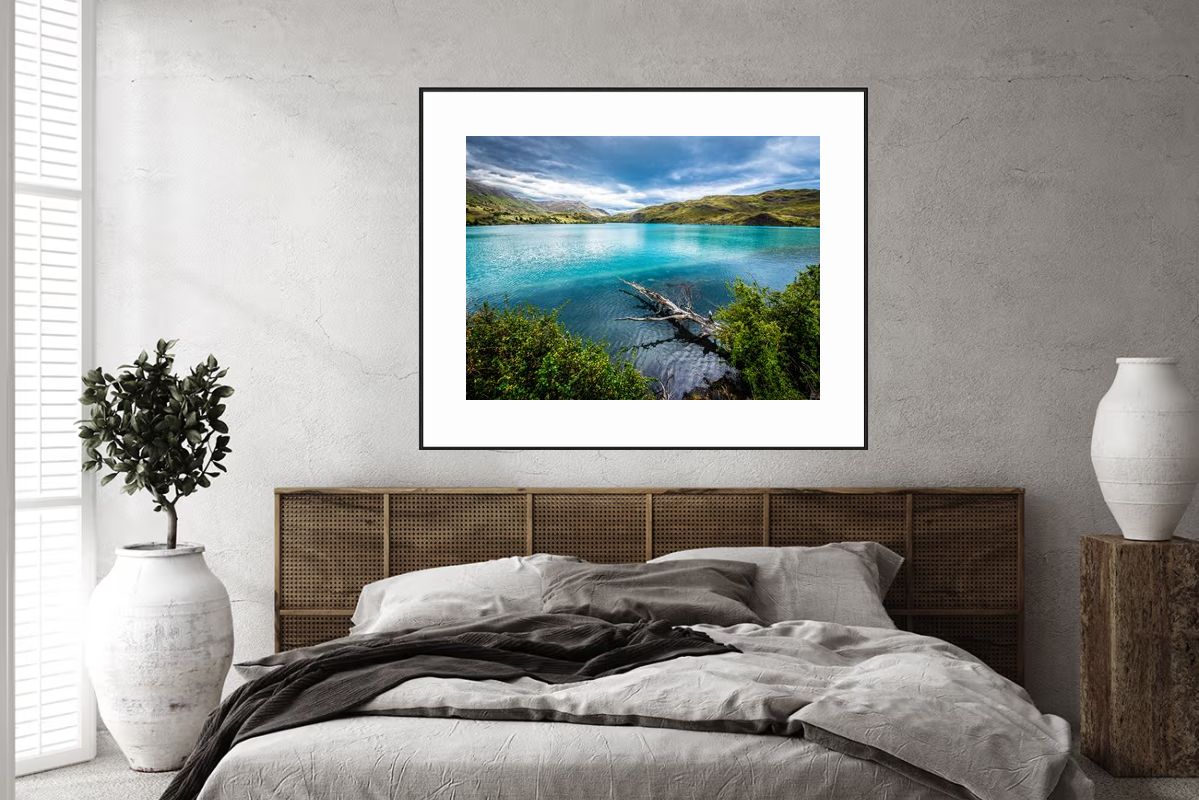
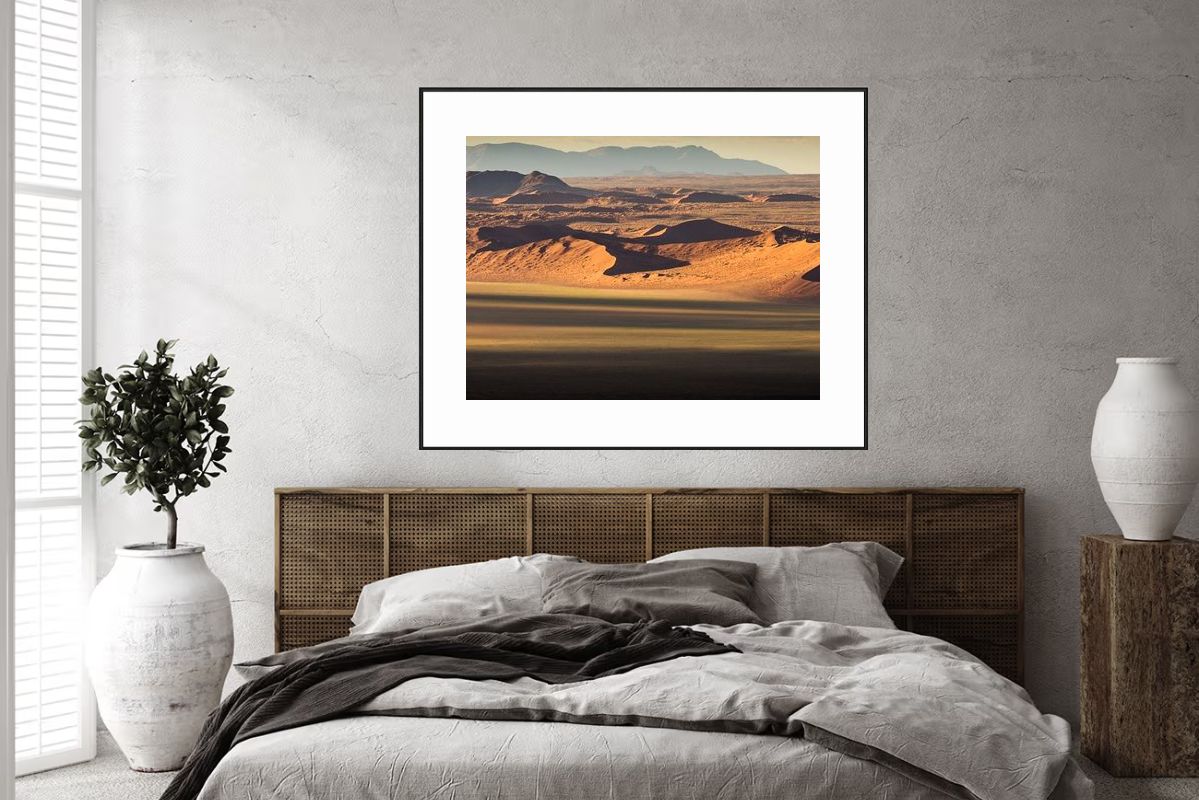
Calm/Peaceful: Water scenes, misty landscapes, soft horizons Energizing: Dramatic weather, bold scenes, vibrant colors Sophisticated: Classic scenes, limited color, refined compositions Inspiring: Grand vistas, beautiful locations, expansive views
Choose based on feeling you want, not art theory.
Budget ranges:
Value question: Is it worth this amount to you? Can you afford it? If yes to both, price is right.
Plain language:
No jargon needed: Just describe your space in normal words.
Plain language:
No art theory needed: Just describe what you want.
Plain language:
No market analysis needed: Just set a realistic budget.
Plain language:
No expertise needed: Just trust your instincts.
What it means: High-quality print, usually limited edition, artist-signed, archival materials.
Do you need it?: Nice label, but focus on quality, not the label.
What it means: Materials and printing meet museum standards for longevity and quality.
Do you need it?: Good quality indicator, but "archival" means the same thing.
What it means: Early prints from a limited edition, sometimes slightly different, often more valuable.
Do you need it?: Nice to have, not required. Regular edition prints are fine.
What it means: Which number print this is out of the total (e.g., "5/20" means 5th print of 20 total).
Do you need it?: For limited editions, yes. Lower numbers sometimes more valuable, but all are equal in quality.
What it means: Can be printed unlimited times. Not numbered or limited.
Do you need it?: Perfectly fine. Often more affordable. Quality can be just as good.
"How big should this be for my space?"
"Will this last a long time?"
"What's included?"
"Can I see it in person or get a sample?"
"What movement is this?" - Doesn't matter "Is this investment-grade?" - Focus on what you love "What do critics say?" - Your opinion matters "Is this trending?" - Trends change
You don't need jargon to buy art. You need:
Plain language is enough:
Skip the jargon:
Focus on what matters:
Remember: Art sellers use jargon to sound impressive. You don't need to understand it. Ask for plain explanations. Focus on what actually matters: your space, your preferences, your budget, your happiness.
Buy art in your own language. Trust your instincts. Choose what you love.
The best art is art you'll love for years. Here's the easy way to choose art you'll never get tired of—simple rules for timeless art selection.
Art buying doesn't have to be complicated. Here's how to choose simple, beautiful art without overthinking—straightforward advice for people who want great art without the analysis paralysis.
Galleries aren't the only place to buy art. Here's a direct, honest guide to buying landscape art directly from artists, online, and through other channels—without gallery markup or intimidation.