


Buying Guides
The Easy Way to Choose Art You'll Never Get Tired Of
The best art is art you'll love for years. Here's the easy way to choose art you'll never get tired of—simple rules for timeless art selection.
9 min read

Art buying doesn't have to be complicated. Here's how to choose simple, beautiful art without overthinking—straightforward advice for people who want great art without the analysis paralysis.
Simple, Beautiful Art for People Who Don't Want to Overthink It
You want beautiful art, but you don't want to overthink it. You don't want to analyze composition, research artists, or stress about trends. You just want something simple and beautiful. Here's how to do it.
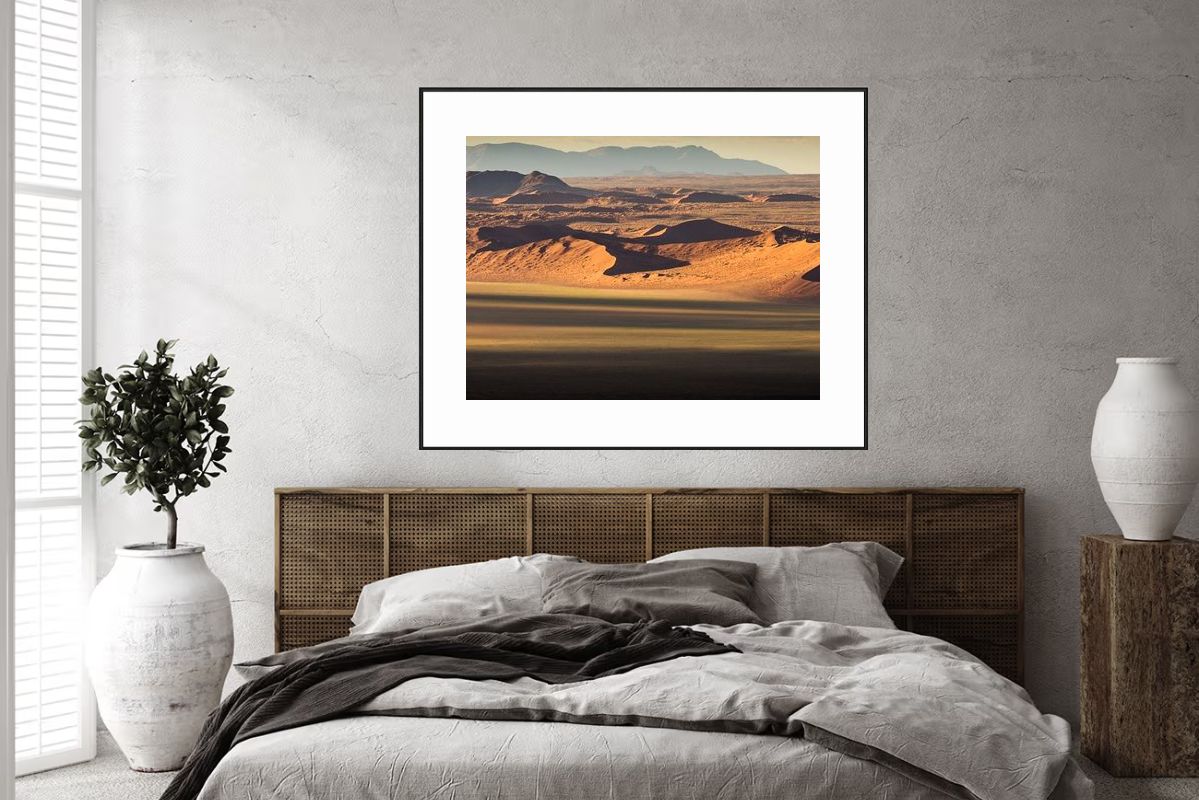
This simple, beautiful piece demonstrates that art doesn't need overthinking—just look, see what you like, and enjoy its timeless beauty without analysis paralysis.
We're told to:
The result: Analysis paralysis. Too much thinking, not enough buying.
This elegant piece shows the simple alternative—beautiful art you can choose without research, analysis, or stress, just pure visual enjoyment.
Simple approach:
The result: Beautiful art, no stress, actual enjoyment.
This simple composition with clean, uncluttered scenes and minimal elements demonstrates how less is more—easy to understand and beautiful.
Simple art has:
Examples:
The rule: Less is more. Simpler is better.
This piece uses a limited palette and neutral tones—demonstrating how simple colors create beautiful art without complexity.
Simple art uses:
Examples:
The rule: Fewer colors = simpler = better.
This familiar landscape subject shows universal appeal—demonstrating how simple, accessible subjects work beautifully without overthinking.
Simple art shows:
Examples:
The rule: Familiar subjects = simple = accessible.
What to do:
No thinking needed: Just look and see what you like.
This piece shows how to check if art fits—simple math, measure, calculate, verify. That's it, no complexity needed.
What to do:
Simple math: Measure, calculate, verify. That's it.
This piece demonstrates visual quality checking—looks sharp, colors look good, looks professional. Your eyes can judge, no expertise needed.
What to check:
Your eyes can judge: No expertise needed.
This beautiful piece shows the final step—if you like it, it fits, and quality looks good, buy it. Don't overthink, just enjoy.
What to do:
That's it: Simple, straightforward, done.
This simple horizon demonstrates the beauty of sky and land—extremely simple, universally appealing, timeless, and versatile for any room.
Why they work:
Best for: Any room, any style, any person.
This calm water scene shows peaceful beauty—simple composition, versatile colors, timeless appeal, and easy to understand without overthinking.
Why they work:
Best for: Bedrooms, living rooms, offices, any space needing calm.
This minimalist landscape demonstrates clean, uncluttered beauty—simple compositions, lots of space, versatile, and timeless.
Why they work:
Best for: Modern spaces, minimalist decor, any room wanting simplicity.
This monochrome scene shows the simplest approach—black and white, no color matching needed, timeless, sophisticated, and versatile.
Why they work:
Best for: Any room, any style, maximum versatility.
This simple piece demonstrates the alternative to complex scenes—clean, uncluttered beauty that doesn't require processing or overthinking.
Why to avoid:
Avoid: Busy, detailed, cluttered compositions.
This piece uses calm, muted tones—demonstrating how simple colors create beautiful art instead of bright, saturated colors that require matching.
Why to avoid:
Avoid: Bright, saturated, energetic colors.
Why to avoid:
Avoid: Abstract art, unfamiliar subjects, requires interpretation.
Check:
If all checked: Buy it. Don't overthink.
Answer: No. Simple is good. Simple is beautiful. Simple is timeless. Simple works.
Answer: Simple, timeless art ages well. You're less likely to tire of simple, beautiful scenes than trendy, complex ones.
Answer: Simple art works with any decor. Simple colors, simple compositions, simple subjects are versatile.
Answer: No. Simple doesn't mean boring. Simple means elegant, peaceful, beautiful. Simple is sophisticated.
Simple, beautiful art:
The simple process:
What to look for:
What to avoid:
Remember: Art buying doesn't have to be complicated. Simple, beautiful art is often the best art. Look for simple compositions, simple colors, simple subjects. Check if it fits, check quality visually, buy what you like. That's it. No overthinking needed. Simple is beautiful. Simple works. Simple is enough.
Your simple art, your simple process, your beautiful result.
Browse our complete collection of lake photography with 41 prints available.
The best art is art you'll love for years. Here's the easy way to choose art you'll never get tired of—simple rules for timeless art selection.
Galleries aren't the only place to buy art. Here's a direct, honest guide to buying landscape art directly from artists, online, and through other channels—without gallery markup or intimidation.
Choosing art by instinct is often dismissed, but it's actually one of the best ways to buy art. Learn why trusting your gut works and how to choose art instinctively with confidence.