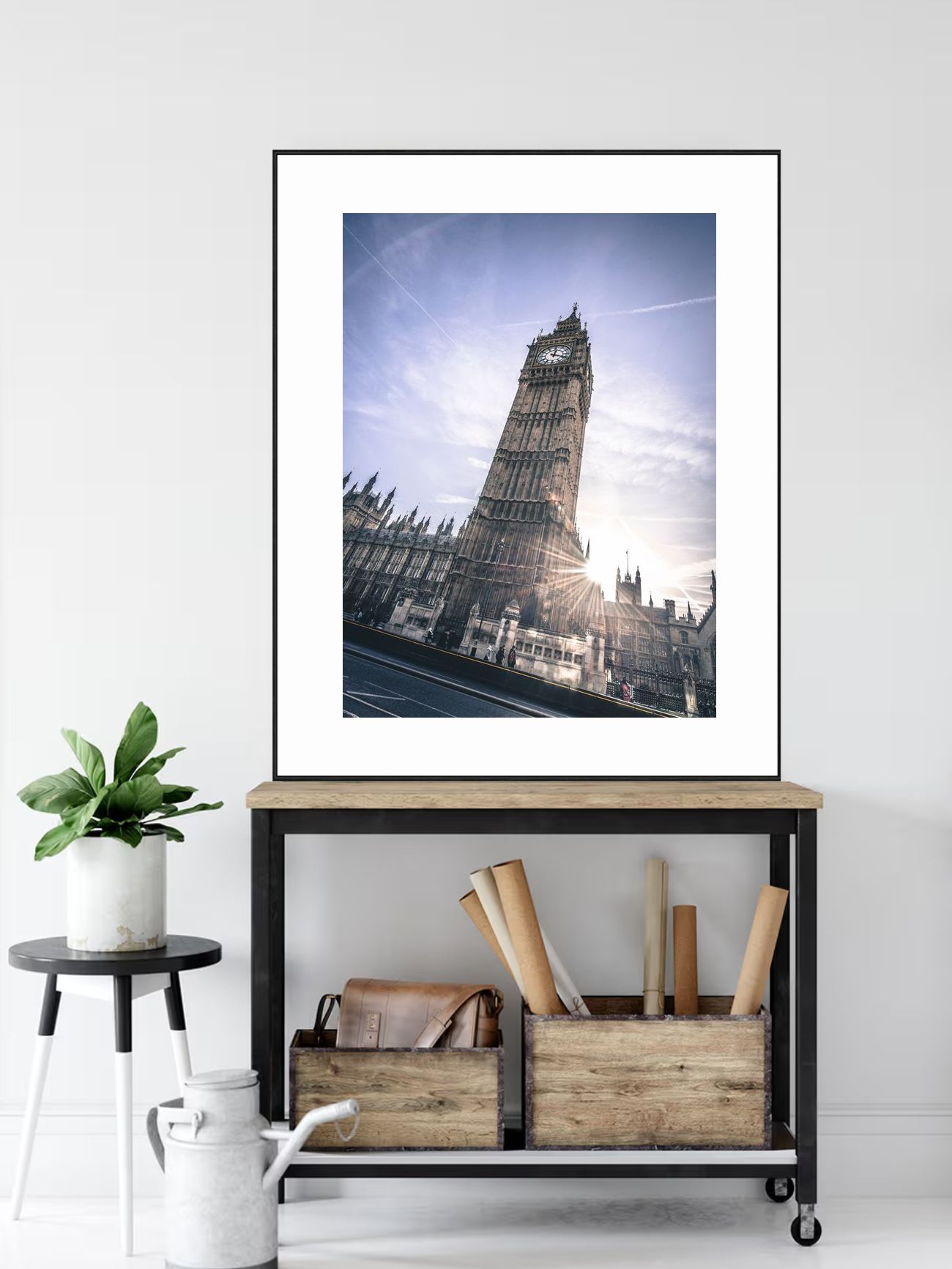
Buying Guides
The Easy Way to Choose Art You'll Never Get Tired Of
The best art is art you'll love for years. Here's the easy way to choose art you'll never get tired of—simple rules for timeless art selection.
9 min read
Choosing art by instinct is often dismissed, but it's actually one of the best ways to buy art. Learn why trusting your gut works and how to choose art instinctively with confidence.
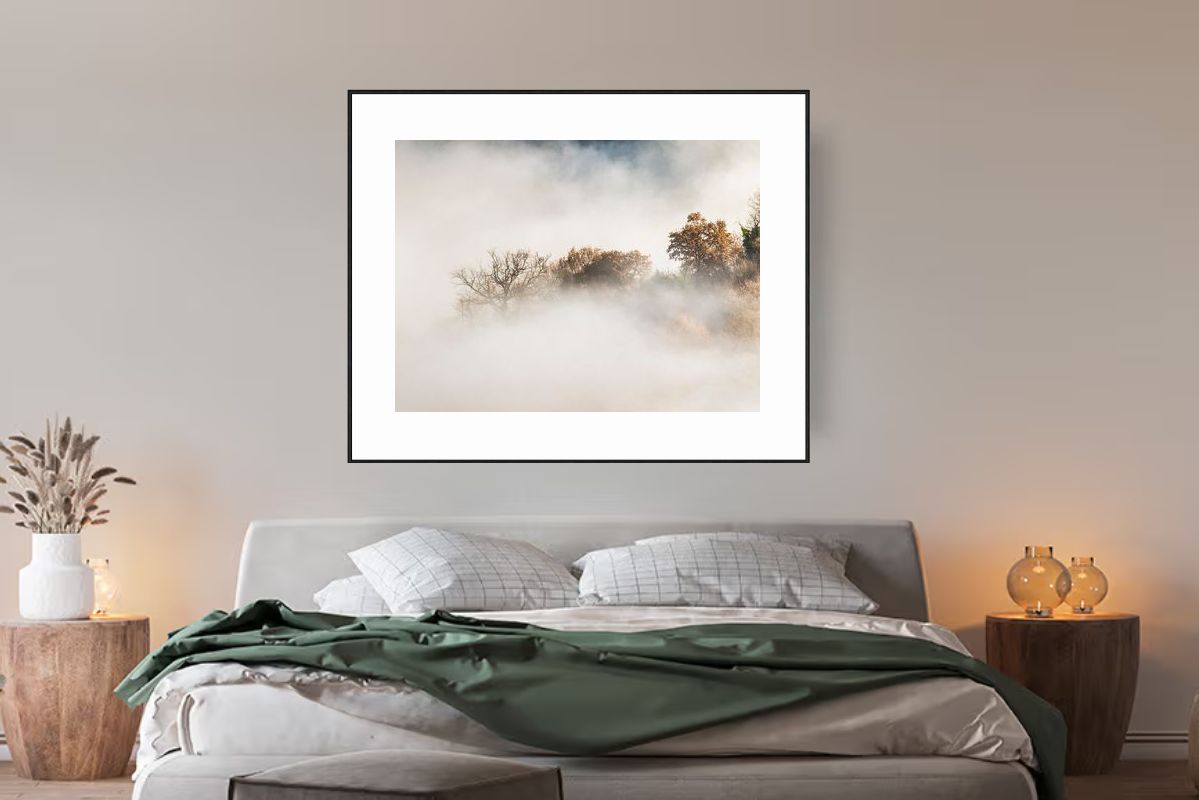
How to Choose Art by Instinct — And Why That's Okay
Everyone tells you to research, analyze, and think carefully about art buying. But what if your first instinct is right? Here's why choosing art by instinct is not only okay—it's often the best way to buy art.
People say:
The message: Don't trust your instincts. Think, analyze, research.
Overthinking leads to:
Instinct leads to:
The reality: Instinct often works better than analysis.
Your brain processes:
The science: Your brain makes aesthetic judgments faster than conscious thought.
Research shows:
The reality: Your first instinct is often your best instinct.
You have:
The truth: You don't need analysis to know what you like.
What to do:
No thinking needed: Just look and see what speaks to you.
What to do:
Your first reaction is valid: It reflects your actual taste.
What to do:
Keep it simple: Just verify basics, don't overthink.
What to do:
That's it: If you love it, buy it.
Instinct is perfect for:
Analysis can't tell you: What you personally like or what makes you happy.
Instinct is perfect for:
Analysis can't tell you: What looks good to your eyes.
Instinct is perfect for:
Analysis can't tell you: What you emotionally connect with.
Use analysis for:
Keep it minimal: Just verify basics, don't overthink.
Don't use analysis for:
Trust instinct: For taste, instinct is better than analysis.
Problem: You love something, then talk yourself out of it.
Fix: Trust your first reaction. If you love it, buy it.
Problem: You analyze so much you forget what you actually like.
Fix: Look, react, verify basics, buy. Keep it simple.
Problem: You ignore your gut because you think you should think more.
Fix: Trust your instinct. It's usually right.
Problem: You buy what others think you should like, not what you like.
Fix: Buy what you like, not what others think you should like.
Problem: You overthink so much you never decide.
Fix: Trust your instinct, verify basics, make decision, move on.
Research shows:
The reality: Your brain knows what you like faster than you can think about it.
Your emotions:
The truth: Your emotions know what you like better than analysis does.
Your instinct reflects:
Trust it: Your instinct is valid and valuable.
Your first reaction:
Trust it: Your first reaction is real and valid.
What to do: Browse art, look at images, see what catches your eye.
No thinking: Just look and see what speaks to you.
What to do: Notice your first reaction (like, love, meh, dislike).
Trust it: Your first reaction is valid.
What to do: Check size (fits?), quality (looks good?), price (affordable?).
Keep it simple: Just verify basics.
What to do: If you love it and it fits and you can afford it, buy it.
That's it: Trust your instinct, verify basics, buy what you love.
Why instinct works:
How to choose by instinct:
When instinct works best:
When to use analysis (a little):
Remember: Choosing art by instinct is not only okay—it's often the best way. Your brain knows what you like. Your first reaction is valid. Your instinct reflects your actual taste. Trust it. Look, react, verify basics, buy what you love. That's it. Don't overthink. Don't second-guess. Trust your gut. It's usually right.
Your instinct, your art, your confidence.
The best art is art you'll love for years. Here's the easy way to choose art you'll never get tired of—simple rules for timeless art selection.
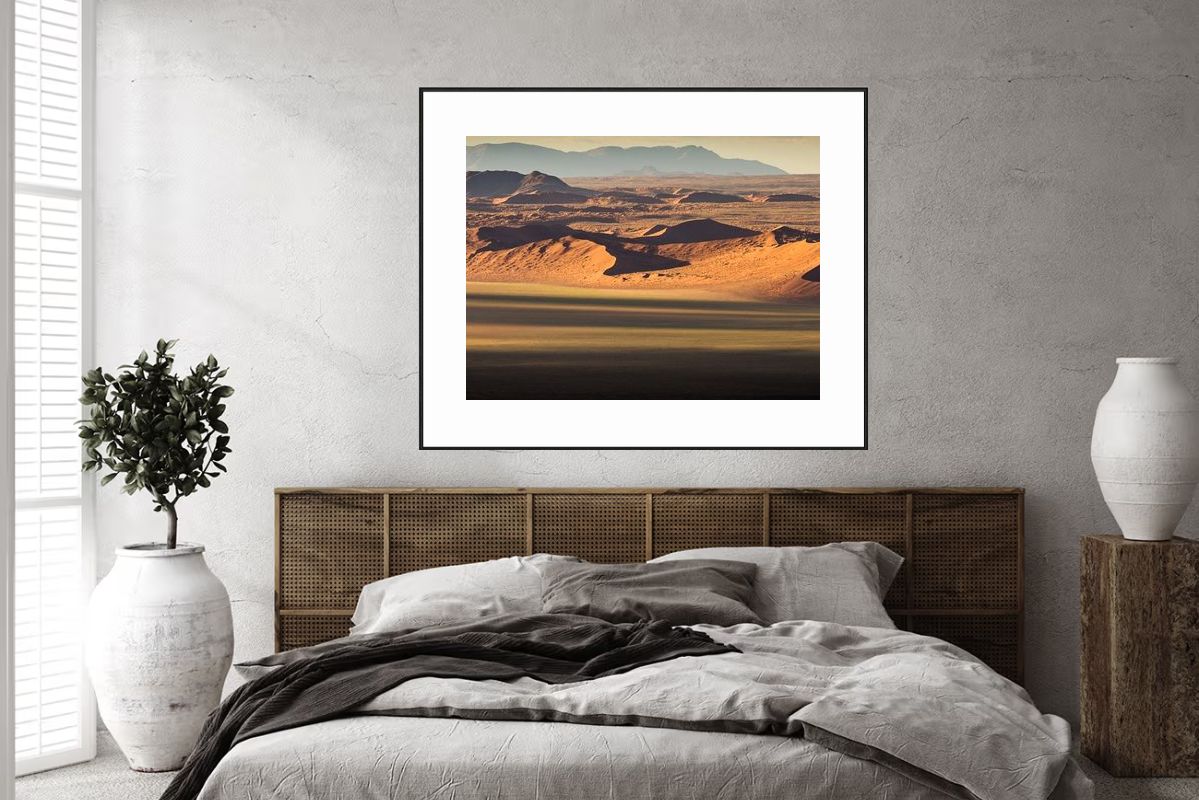
Art buying doesn't have to be complicated. Here's how to choose simple, beautiful art without overthinking—straightforward advice for people who want great art without the analysis paralysis.
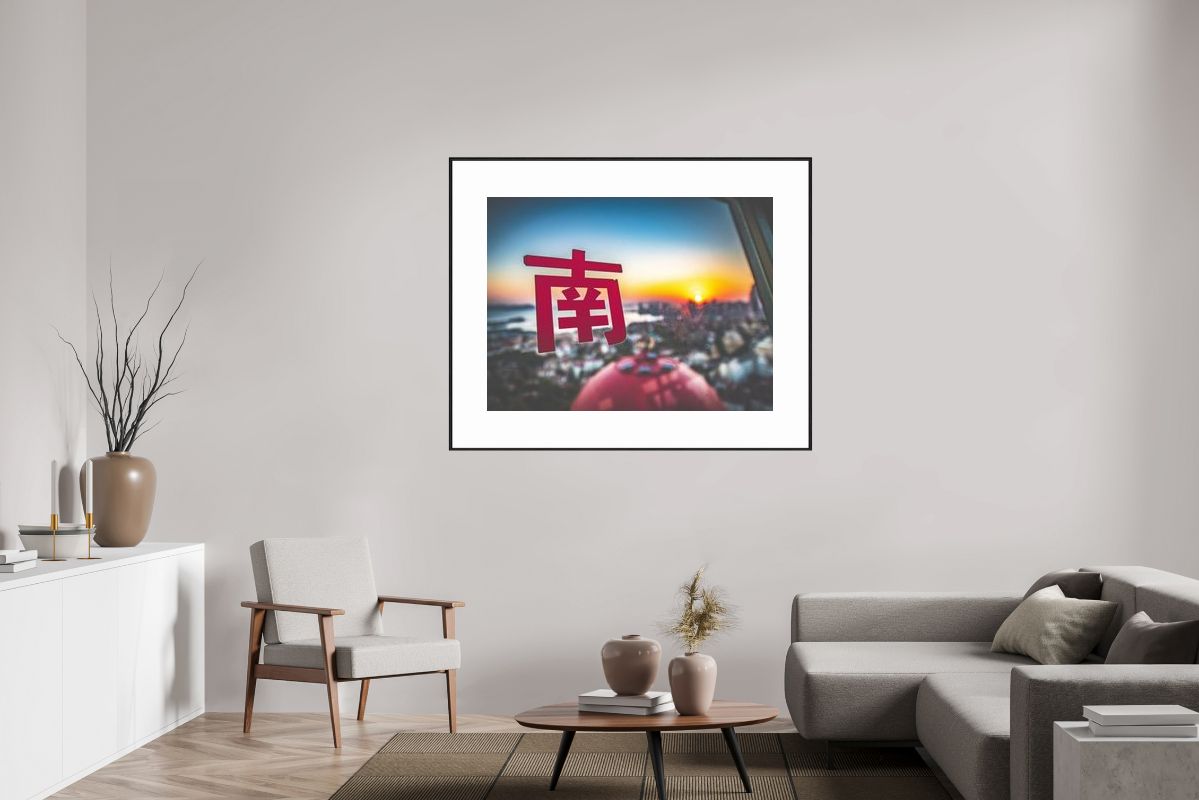
Galleries aren't the only place to buy art. Here's a direct, honest guide to buying landscape art directly from artists, online, and through other channels—without gallery markup or intimidation.