Buying Guides
The Easy Way to Choose Art You'll Never Get Tired Of
The best art is art you'll love for years. Here's the easy way to choose art you'll never get tired of—simple rules for timeless art selection.
9 min read

Art buying gets overwhelming because of five key decisions. Learn how to solve each one simply and confidently, without the confusion.
The 5 Decisions That Make Art Buying Confusing — Solved
Art buying feels confusing because you're making multiple decisions at once, and it's not clear which ones matter most. Here are the five decisions that trip people up—and simple solutions for each one.
The problem: Too many size options, unclear guidelines, fear of wrong choice
Why it's confusing:
Simple rule: Art above furniture should be 60-75% of furniture width
Examples:
For standalone walls: Art should be 50-80% of wall width, with 12+ inches on each side.
Height: Center at eye level (57-60 inches from floor), or 6-12 inches above furniture.
Quick test: If it looks too small, it probably is. If it looks slightly too big, it's probably right.
The problem: Thousands of subjects, unclear what works where, personal vs. practical
Why it's confusing:
Match subject to feeling:
Calm/Peaceful spaces (bedrooms, offices):
Energizing spaces (living rooms, entryways):
Sophisticated spaces (dining rooms, studies):
Quick test: Close your eyes, imagine the space. What feeling do you want? Choose subject that creates that feeling.
The problem: Color theory is complex, matching vs. complementing, fear of clashing
Why it's confusing:
Three simple approaches:
Option 1: Match existing colors
Option 2: Complement colors
Option 3: Neutral foundation
Quick test: Hold up color swatches or imagine art in your space. Does it look good? Then it works.
The problem: Wide price ranges, unclear value, investment vs. decoration
Why it's confusing:
Set your budget first, then find quality within it:
Budget ranges:
Value indicators:
Quick test: Can you afford it comfortably? Is it worth that amount to you? If yes to both, it's the right price.
The problem: Overwhelming options, no clear starting point, analysis paralysis
Why it's confusing:
Start with your space, not the art:
Step 1: Measure your wall space Step 2: Note your room's style and colors Step 3: Decide the feeling you want Step 4: Set your budget Step 5: Find art that matches all four
Priority order:
Quick test: If you can answer: "I need X-size art in Y-style that creates Z-feeling for $ABC budget," you're ready to shop.
Decision 1: Size
Decision 2: Subject
Decision 3: Colors
Decision 4: Budget
Decision 5: Starting Point
Solution: Start with Decision 5. Measure your space, note style, decide feeling, set budget. Then you have clear criteria.
Solution: Use Decisions 1-4 to narrow. Size eliminates most options. Subject narrows further. Colors refine more. Budget finalizes.
Solution: Set time limits. 30 minutes to research, then decide. Perfection doesn't exist—good enough is good enough.
Solution: Art isn't permanent. You can change it. Trust your instincts. If you love it, it's not a mistake.
The five confusing decisions:
Solve them in order:
Remember: These aren't complex art theory decisions. They're practical choices about your space, your feelings, and your budget. Answer them honestly, and the right art becomes clear.
Stop overthinking. Use the solutions. Make decisions. Buy art you love.
The best art is art you'll love for years. Here's the easy way to choose art you'll never get tired of—simple rules for timeless art selection.
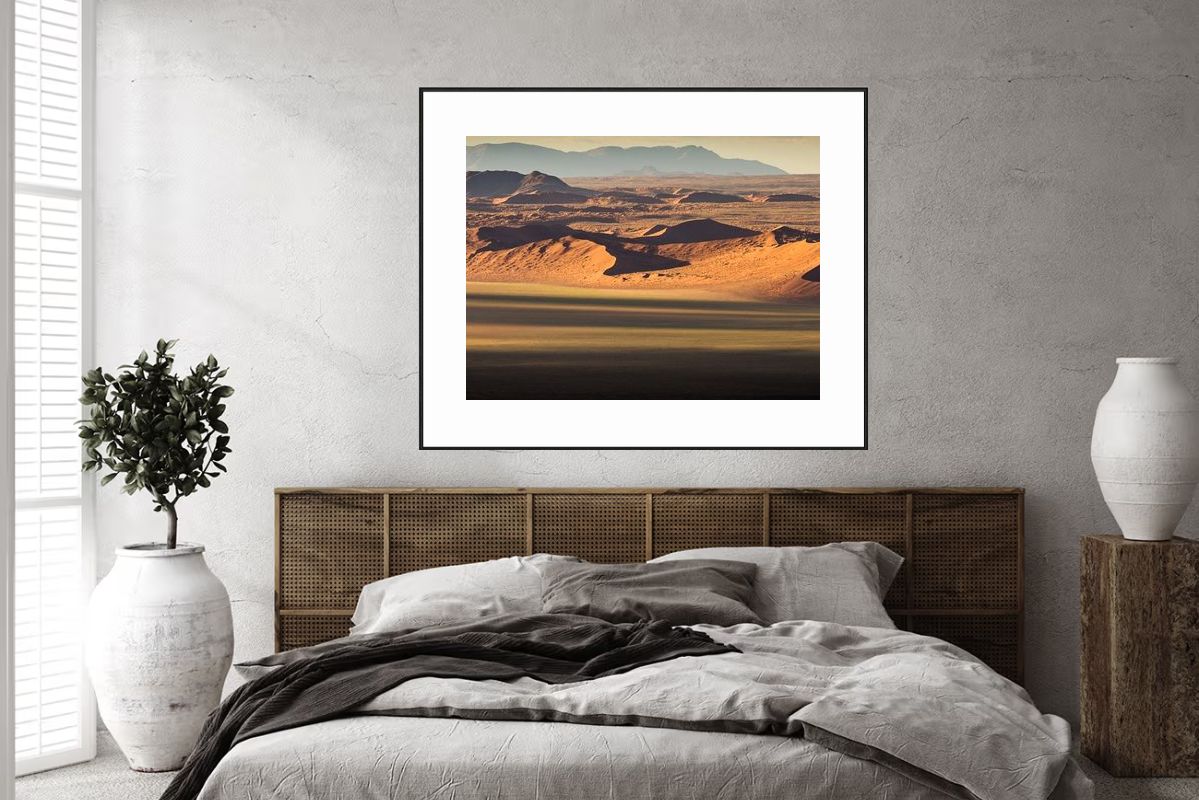
Art buying doesn't have to be complicated. Here's how to choose simple, beautiful art without overthinking—straightforward advice for people who want great art without the analysis paralysis.
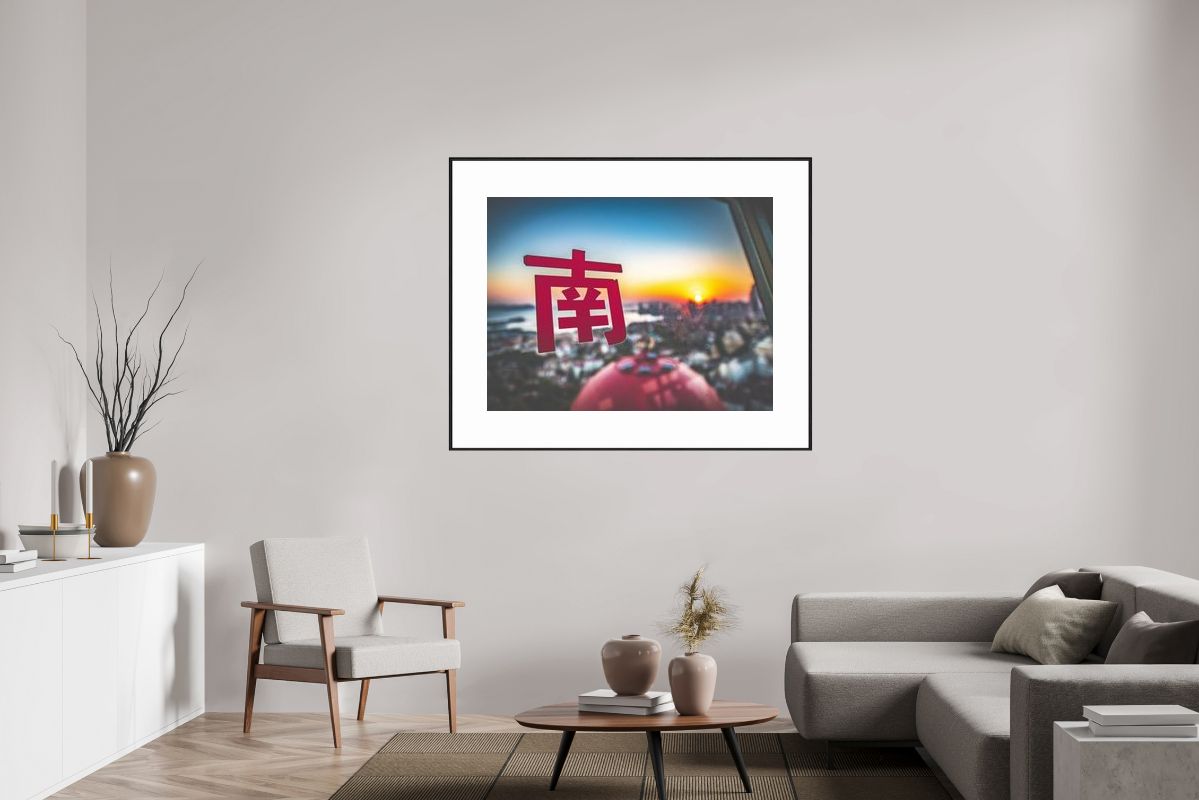
Galleries aren't the only place to buy art. Here's a direct, honest guide to buying landscape art directly from artists, online, and through other channels—without gallery markup or intimidation.