Buying Guides
The Easy Way to Choose Art You'll Never Get Tired Of
The best art is art you'll love for years. Here's the easy way to choose art you'll never get tired of—simple rules for timeless art selection.
9 min read

Buying your first fine-art print doesn't have to be complicated. This minimalist guide cuts through the noise and gives you exactly what you need to know.
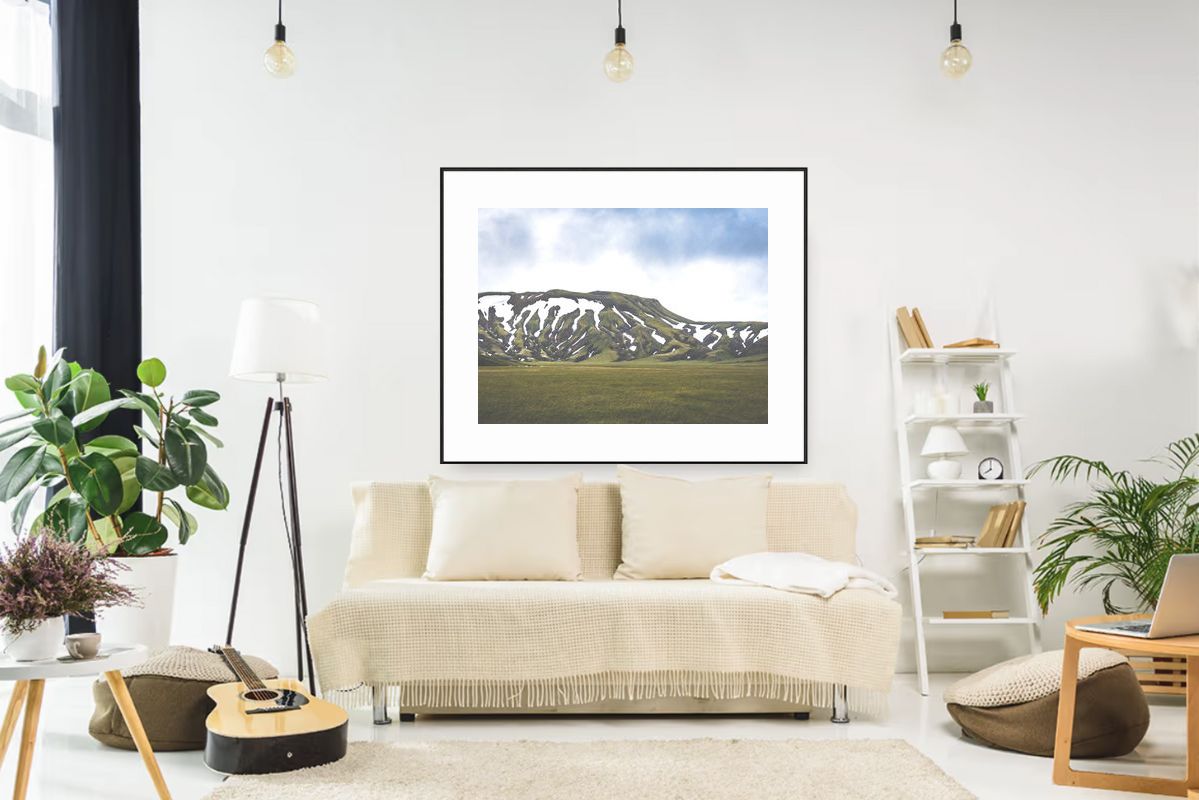
The Minimalist Guide to Buying Your First Fine-Art Print
You want to buy your first fine-art print. You've heard it's an investment, that quality matters, that you should know what you're doing. But you don't want to become an art expert—you just want to buy one beautiful print. Here's everything you need to know, nothing more.
1. Size: Measure your space. Art above furniture should be 60-75% of furniture width.
2. Quality: Look for archival materials, professional printing, good presentation.
3. Love: Choose what you're drawn to. Your opinion matters most.
That's it. Everything else is optional.
Measure where art is going:
Example: 84-inch sofa → 50-63 inch art
Decide feeling you want:
Decide what you can spend:
Find art that matches:
Choose what you love.
Good quality shows:
You'll recognize quality when you see it. Trust your eyes.
Paper: Archival, acid-free, will last Printing: Professional, high-resolution, color-accurate Framing: Well-constructed, protective, appropriate Presentation: Clean, professional, finished
Simple test: Does it look professional? Will it last? If yes to both, quality is good.
Art history: Don't need to know movements or periods Artist reputation: Buy what you love, not names Market trends: Trends change, your taste matters Critic opinions: Your opinion is the only one that counts Complex terminology: You don't need to speak art language
Your space: Where is it going? Your feelings: How should it feel? Your budget: What can you spend? Your taste: What do you love?
Answer: If you can afford it comfortably and it's worth that amount to you, it's not too expensive. Value is personal.
Answer: Does it look professional? Will it last? Is it well-presented? If yes, quality is good.
Answer: You can always change it. Art isn't permanent. Your taste may evolve. That's normal.
Answer: Depends on the print. Some come framed, some need framing, some (like metal prints) don't need frames.
Answer: 60-75% of furniture width if above furniture. 50-80% of wall width if standalone.
No complex research. No art degree. No expert consultation needed. Just measure, decide, choose.
Fine art prints:
But here's the thing: If it's high quality, well-presented, and you love it, it's fine art to you. That's what matters.
Start simple:
Why: Learn what you like. Refine your taste. Add more later.
Your first print:
That's enough.
Buying your first fine-art print is simple:
You need to know:
You can ignore:
Remember: This is your first print, not your last. Start simple. Learn what you like. Refine over time. The goal isn't perfection—it's finding art that makes you happy.
Keep it minimal. Trust the process. Choose what you love.
The best art is art you'll love for years. Here's the easy way to choose art you'll never get tired of—simple rules for timeless art selection.
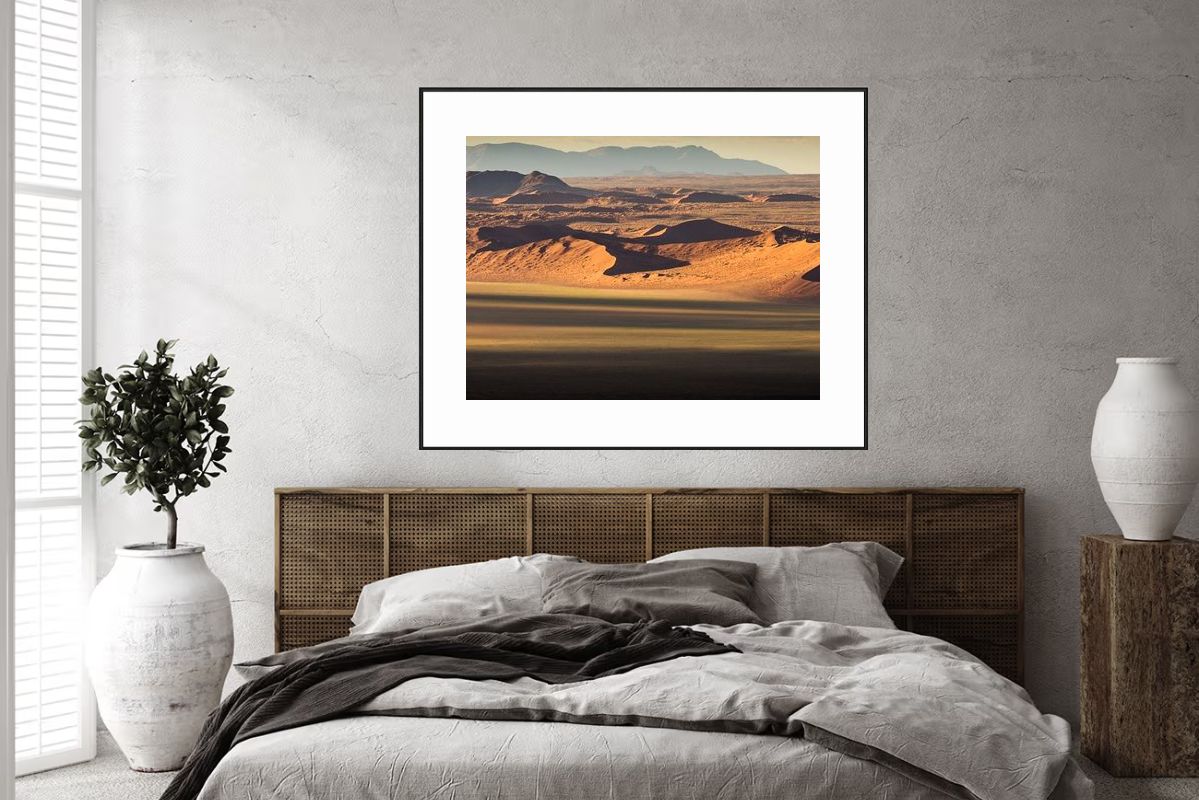
Art buying doesn't have to be complicated. Here's how to choose simple, beautiful art without overthinking—straightforward advice for people who want great art without the analysis paralysis.
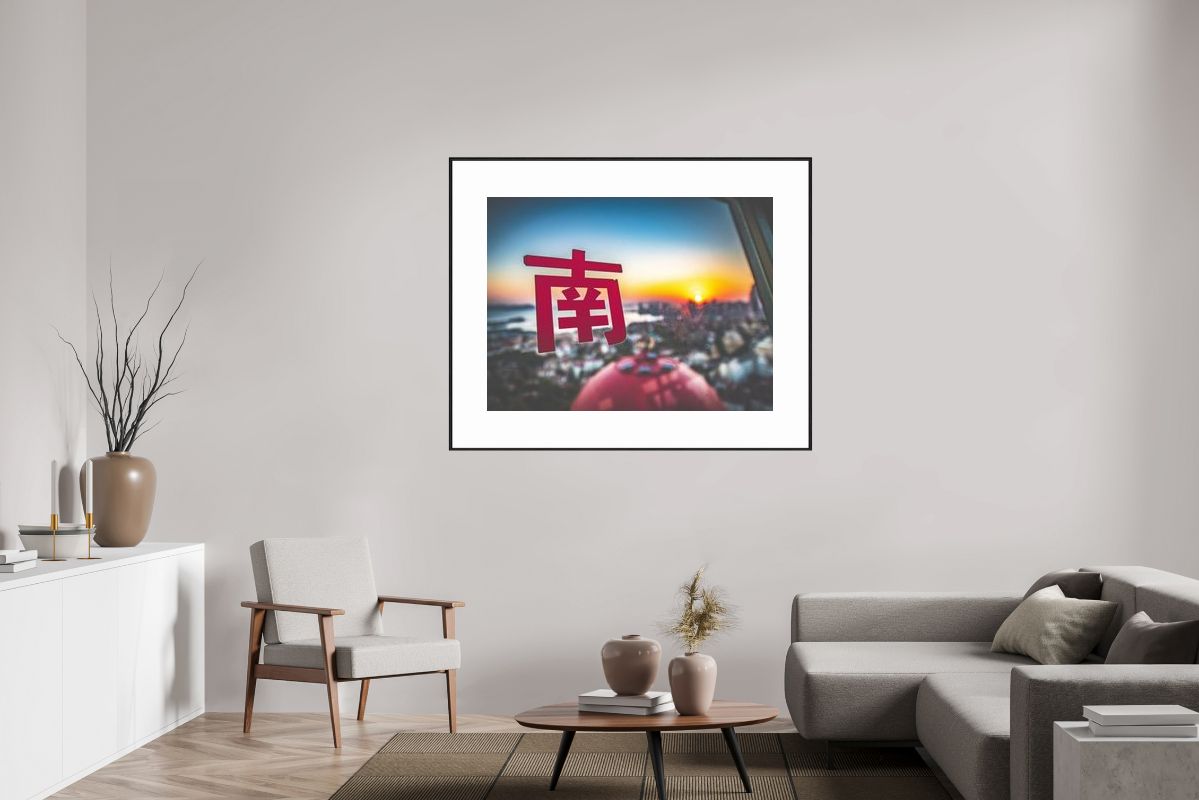
Galleries aren't the only place to buy art. Here's a direct, honest guide to buying landscape art directly from artists, online, and through other channels—without gallery markup or intimidation.