Buying Guides
The Easy Way to Choose Art You'll Never Get Tired Of
The best art is art you'll love for years. Here's the easy way to choose art you'll never get tired of—simple rules for timeless art selection.
9 min read

Art selection feels stressful and overwhelming for most people. Discover why it's so difficult and learn simple strategies to make choosing art enjoyable instead of dreaded.
Why Most People Hate Choosing Art — And How to Make It Easy
Most people dread choosing art. They'd rather pick paint colors, furniture, or even light fixtures. Art feels different—more personal, more permanent, more judgmental. But it doesn't have to be that way. Here's why art selection feels so difficult and how to make it easy.
The problem: Art feels like a reflection of who you are, your taste, your sophistication, your personality. Get it wrong, and you've revealed something embarrassing about yourself.
The reality: Art is personal, but that's okay. Your taste is valid. There's no "wrong" art if you love it.
The fix: Remember that art is for you, not for others. Choose what makes you happy, not what you think you should like.
The problem: Thousands of images, hundreds of artists, dozens of styles. Where do you even begin? Analysis paralysis sets in.
The reality: Most options aren't right for you anyway. You can eliminate 90% immediately with simple criteria.
The fix: Start with your space, not the art. Measure, assess, decide feeling. This narrows options dramatically.
The problem: What will visitors think? What if it's "bad" art? What if I look uneducated or unsophisticated?
The reality: Most people don't judge your art choices. They're too busy thinking about their own problems. And "bad" art doesn't exist—only art you don't like.
The fix: Your home, your choice. Buy what you love. If someone judges, that's their problem, not yours.
The problem: Overthinking every detail, comparing endlessly, seeking perfect choice, never making decision.
The reality: Perfect doesn't exist. Good enough is good enough. You can always change it later.
The fix: Set time limits. Use a framework. Make a decision. Move on.
The problem: Don't know art, don't trust taste, feel unqualified to choose.
The reality: You don't need art knowledge. You need to know what you like. That's enough.
The fix: Trust your instincts. If you like it, it's right. Your opinion is the only one that matters.
The problem: People start by looking at art, then try to fit it into their space.
The solution: Start with your space. Measure it, assess it, understand it. Then find art that fits.
Why it works: Eliminates 90% of options immediately. Makes decision clear.
How to do it:
The problem: People think they need to understand art theory, color theory, composition theory.
The solution: Use simple, practical rules. 60-75% rule for sizing. Match feeling to subject. Trust your eyes.
Why it works: Simple rules are easy to follow. No expertise required.
How to do it:
The problem: Endless research, comparison, analysis. Never making a decision.
The solution: Set deadlines. 30 minutes to research. One week to decide. Then choose.
Why it works: Forces action. Prevents perfectionism. Gets results.
How to do it:
The problem: Second-guessing, overthinking, changing mind repeatedly.
The solution: Trust your gut. Your first reaction is usually right.
Why it works: Your instincts know what you like. Overthinking confuses it.
How to do it:
The problem: Treating art like a permanent, irreversible decision.
The solution: Art can be changed. It's not a tattoo. You can update it later.
Why it works: Reduces pressure. Makes decision easier.
How to do it:
Measure your space:
Result: Know your size requirements
Look at your room:
Result: Know your style requirements
Choose feeling:
Result: Know your subject requirements
Decide spending:
Result: Know your budget requirements
Find art that matches:
Result: Narrowed options, easy choice
Pick what you're drawn to:
Result: Art you love
From: "I need to find perfect art" To: "I'm finding art I'll enjoy"
From: "What will others think?" To: "What do I love?"
From: "I need to know art" To: "I need to know what I like"
From: "This is permanent" To: "I can always change it"
Enjoy the process:
It's not a test. It's decorating your home. Have fun with it.
Solution: Look at lots of art. Notice what makes you pause. Pay attention to what draws your eye. Your taste will become clear.
Solution: You're not looking closely enough. Notice differences in composition, color, mood. Your preferences will emerge.
Solution: Regret is worse than a wrong choice. Make a decision. You can always change it. Inaction is the real regret.
Solution: You don't. Set a deadline. Make a decision. More time usually means more confusion, not clarity.
People hate choosing art because:
Make it easy by:
The framework:
Remember: Art selection doesn't have to be stressful. It can be enjoyable. Use the framework, trust the process, and choose what you love. Your home, your choice, your happiness.
The best art is art you'll love for years. Here's the easy way to choose art you'll never get tired of—simple rules for timeless art selection.
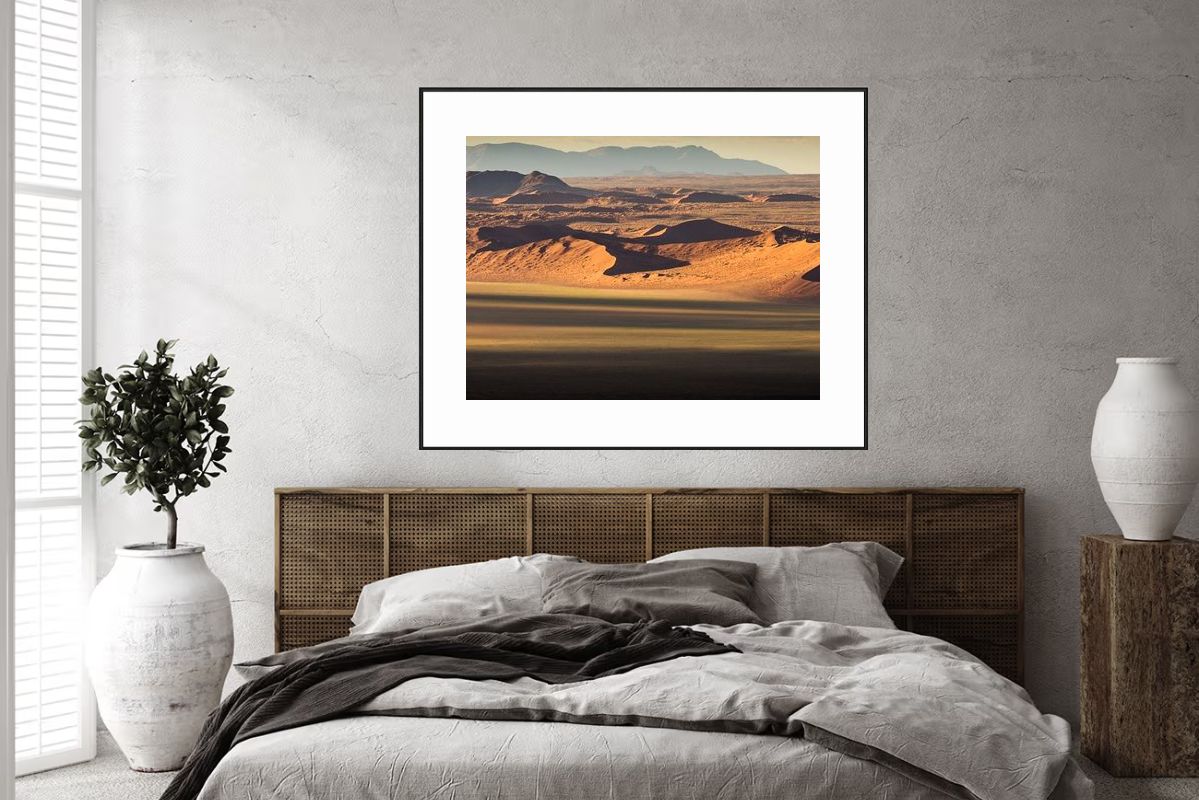
Art buying doesn't have to be complicated. Here's how to choose simple, beautiful art without overthinking—straightforward advice for people who want great art without the analysis paralysis.
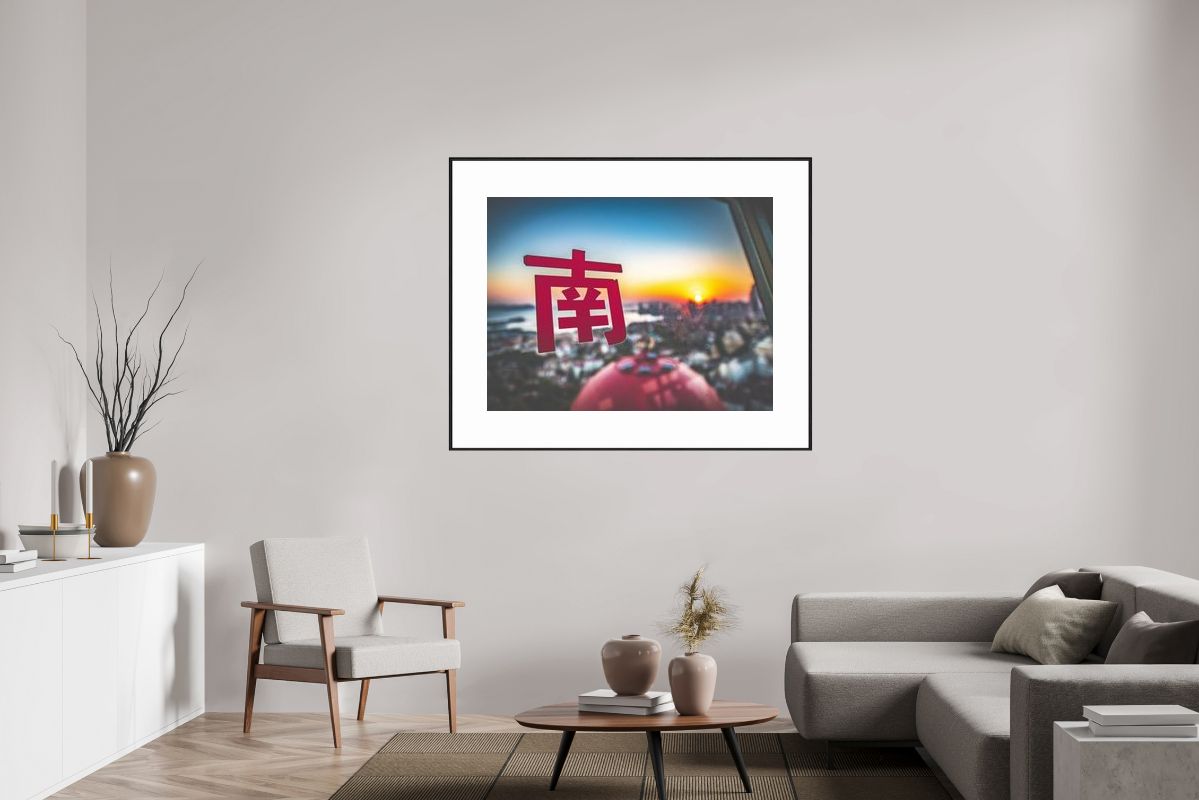
Galleries aren't the only place to buy art. Here's a direct, honest guide to buying landscape art directly from artists, online, and through other channels—without gallery markup or intimidation.