Home Decor
Art That Makes a Room Feel Bigger: A Simple Buyer's Guide
The right art can visually expand your space. Learn which types of art create the illusion of more space and how to choose pieces that make any room feel larger.
8 min read

Large wall art can feel intimidating, but it doesn't have to be. Learn the simple rules and strategies that ensure you choose and place large art correctly every single time.
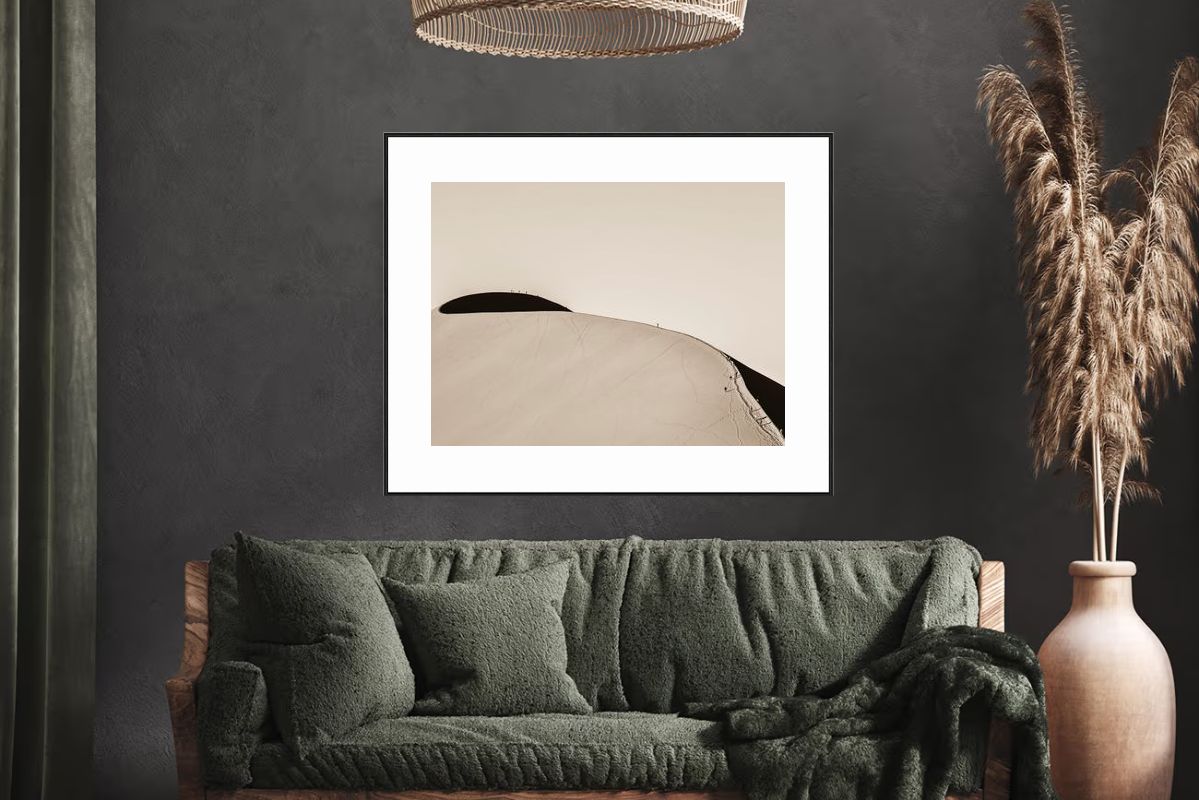
Large Wall Art Feels Scary — Here's How to Get It Right Every Time
Large wall art is intimidating. What if it's too big? What if it looks wrong? What if you waste money on something that doesn't work? These fears are real, but they're also solvable. Here's how to get large wall art right every time.
Common concerns:
The reality: These fears are valid, but they're all addressable with simple rules and strategies.
Large art offers:
The key: Get it right, and large art transforms spaces beautifully.
The rule: Art should be 50-80% of wall width for standalone walls, 60-75% of furniture width for art above furniture.
Why it works: Creates proportional balance. Art relates to space, not arbitrary sizes.
Example: 12-foot wall (144 inches) → 72-115 inch art. 84-inch sofa → 50-63 inch art.
Result: Always proportional, never overwhelming.
The rule: Large art should have simple, uncluttered compositions.
Why it works: Simple scenes work at large scale. Busy scenes overwhelm.
Best subjects: Horizons, minimalist scenes, atmospheric landscapes, abstract compositions.
Avoid: Complex, detailed, cluttered scenes.
Result: Large art that's approachable, not overwhelming.
The rule: Large art should use neutral palettes or limited colors (1-2 colors max).
Why it works: Too many colors at large scale can be overwhelming. Limited colors are sophisticated.
Best choices: Monochrome, muted tones, one or two colors, neutral palettes.
Avoid: Rainbow palettes, high saturation, competing colors.
Result: Large art that enhances, not competes.
The rule: Center at eye level (57-60 inches from floor), or 6-12 inches above furniture.
Why it works: Creates visual balance and connection. Art feels anchored, not floating.
For furniture: 6-12 inches above creates relationship.
For walls: Eye level creates comfortable viewing.
Result: Art that feels right, not awkward.
The rule: Large art must use high-quality materials and professional printing.
Why it works: Quality shows at large scale. Poor quality is obvious and disappointing.
Look for: Archival materials, high-resolution printing (300+ DPI), professional presentation.
Avoid: Low-resolution images, poor materials, unprofessional printing.
Result: Large art that looks impressive, not cheap.
What to measure:
Calculate: Art size using 50-80% (walls) or 60-75% (furniture) rules.
Write it down: "I need art that is X inches wide."
Based on your space and feeling:
Keep it simple: Uncluttered compositions work best at large scale.
Choose approach:
Limit colors: One or two colors maximum for large art.
Check:
Don't compromise: Quality matters more at large scale.
Position:
Result: Perfect placement every time.
The challenge: 15-foot wall, nothing on it, feels empty
The solution:
Result: Dramatic focal point that fills space beautifully.
The challenge: 10-foot sofa, need art above it
The solution:
Result: Perfectly proportioned, anchored focal point.
The challenge: 12-foot ceilings, large wall, need to fill vertical space
The solution:
Result: Takes advantage of height, creates grandeur.
Reality check: Use the 50-80% rule. If you follow it, it won't be too big.
Solution: Measure, calculate, trust the math. The rule prevents this.
Reality check: Measure first, then buy. If you measure correctly, it will fit.
Solution: Measure twice, buy once. Verify dimensions before purchasing.
Reality check: Simple subjects work. Choose horizons, water, or minimalist scenes.
Solution: Stick to simple compositions. They work at any scale.
Reality check: Large art is an investment. Quality pieces hold value and last.
Solution: Buy quality, buy what you love, consider it long-term.
Reality check: Proper placement prevents awkwardness. Follow placement rules.
Solution: Center, eye level, breathing room. These rules prevent awkward placement.
Getting large wall art right every time:
Follow these rules, and large art works. Every time.
Remember: Large art feels scary because the stakes seem high. But with simple rules and a clear process, you can get it right every time. Measure, calculate, choose simply, place correctly. That's it. No guesswork, no fear—just confident choices that transform your space.
Your large art, your rules, your confidence.
The right art can visually expand your space. Learn which types of art create the illusion of more space and how to choose pieces that make any room feel larger.
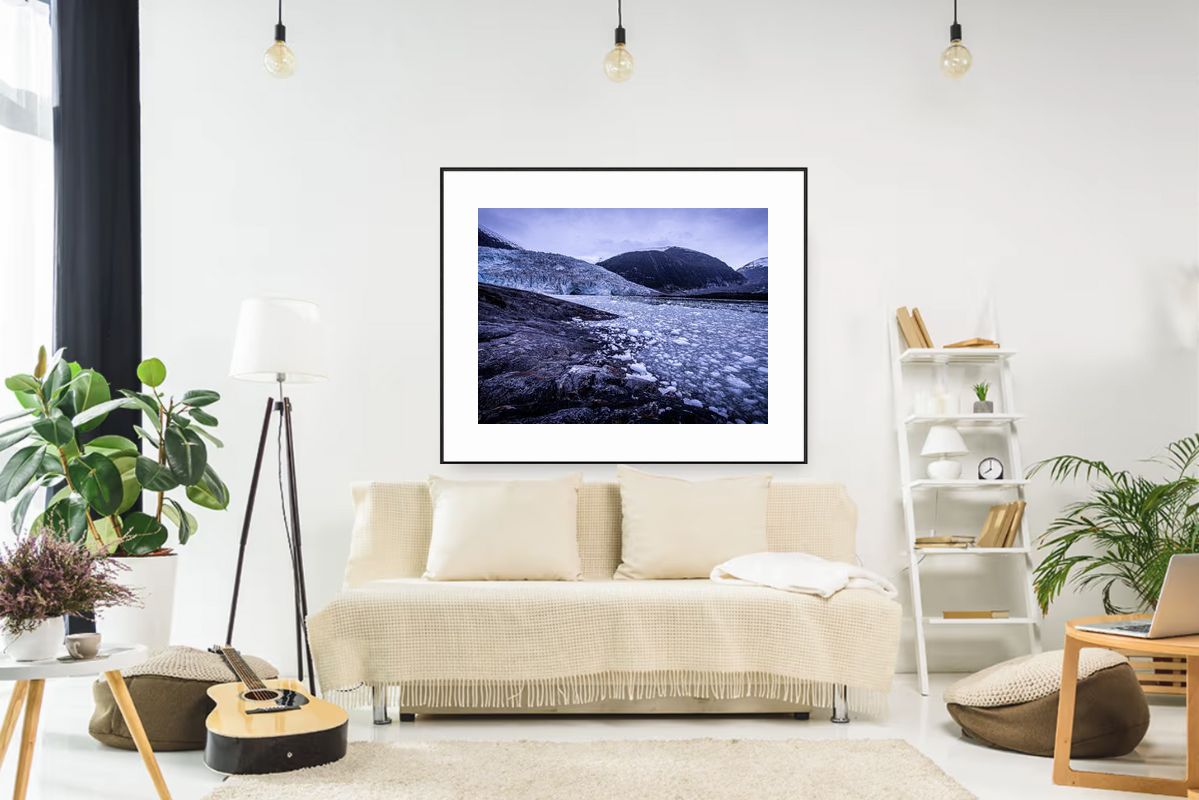
Glacier photography has unique qualities that make it perfect for modern interiors. Discover why these icy landscapes create such stunning focal points in contemporary spaces.
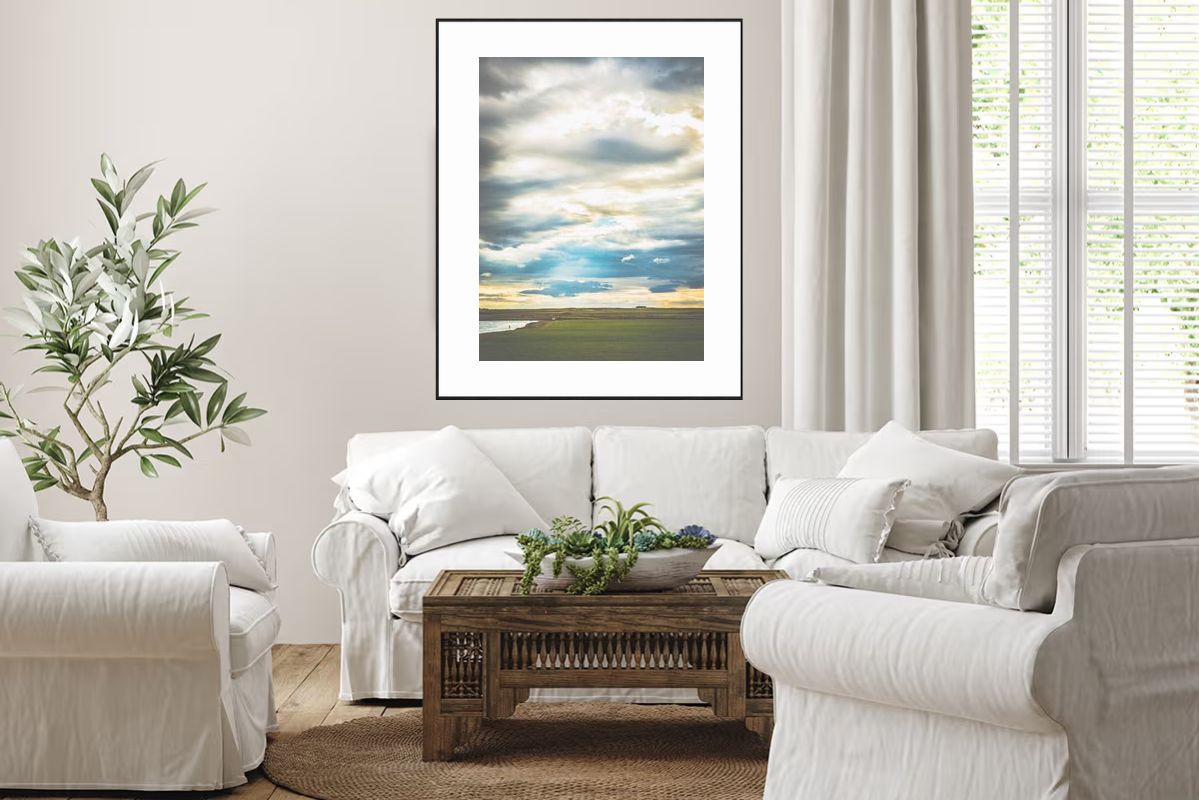
The right art can make your space feel larger and more peaceful. Learn the specific characteristics that create a sense of space and stillness in any room.