


Home Decor
Art That Makes a Room Feel Bigger: A Simple Buyer's Guide
The right art can visually expand your space. Learn which types of art create the illusion of more space and how to choose pieces that make any room feel larger.
8 min read

The right art can make your space feel larger and more peaceful. Learn the specific characteristics that create a sense of space and stillness in any room.
How to Choose Art That Creates a Sense of Space and Stillness
Your space feels cramped. Your mind feels cluttered. You need art that creates space and stillness—both visually and mentally. Here's how to choose art that opens up your space and calms your mind.
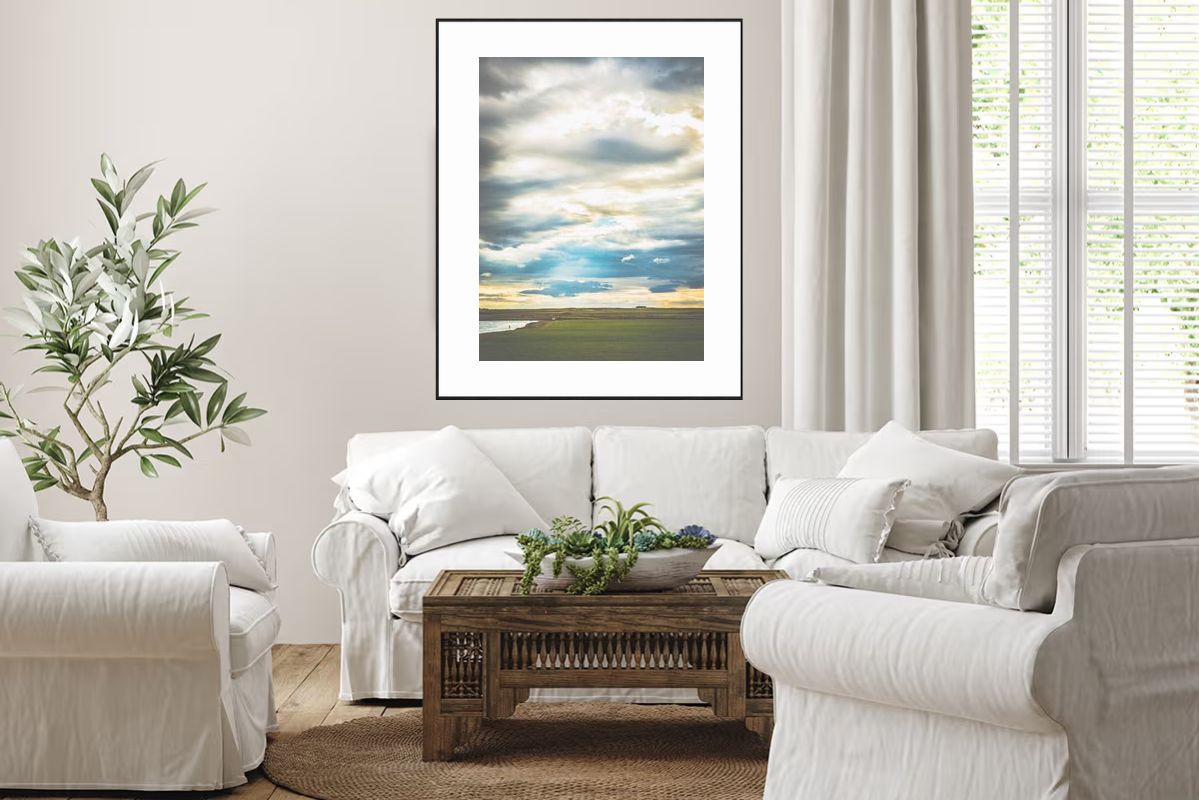
This expansive panorama creates visual space with its wide horizon and vast sky, making rooms feel larger and more open.
Art that creates visual space:
The effect: Room feels bigger, more open, less confined.
The misty, atmospheric quality of this piece creates mental stillness, calming the mind and promoting peace.
Art that creates mental stillness:
The effect: Mind feels calmer, clearer, more peaceful.
The expansive blue sky dominates this composition, creating maximum visual breathing room and making spaces feel open.
What it is: Large areas of sky, water, or open landscape
Why it works:
Examples:
The rule: More empty space = more sense of space.
The wide, horizontal composition of receding hills opens up walls and creates a sense of width and stability.
What it is: Wide, horizontal compositions (landscape orientation)
Why it works:
Examples:
The rule: Horizontal = spacious. Vertical = constraining.
This minimalist scene with its uncluttered composition and clean lines creates a sense of clarity and openness.
What it is: Uncluttered, minimal elements, clean lines
Why it works:
Examples:
The rule: Simpler = more spacious feeling.
The soft, muted tones of this misty landscape create a calm atmosphere without competing for attention.
What it is: Gentle tones, not bright or saturated
Why it works:
Examples:
The rule: Soft colors = calm. Bright colors = stimulation.
The receding perspective of the waterfall and surrounding basalt columns creates a sense of infinite depth.
What it is: Scenes that show distance, perspective, receding elements
Why it works:
Examples:
The rule: Depth = space. Flat = constraining.
The still, frozen landscape of ancient ice creates a sense of peace and reduces mental activity.
What it is: Scenes with little or no motion, calm subjects
Why it works:
Examples:
The rule: Still subjects = still mind.
The atmospheric, dreamlike quality with diffused starlight creates a gentle, calming atmosphere that promotes relaxation.
What it is: Slightly diffused, atmospheric, dreamlike quality
Why it works:
Examples:
The rule: Soft = calm. Sharp = alert.
What it is: Black and white, or 1-2 colors maximum
Why it works:
Examples:
The rule: Fewer colors = more stillness.
What it is: Gentle repetition, rhythmic elements (not busy)
Why it works:
Examples:
The rule: Gentle repetition = calm. Busy patterns = stimulation.
What do you need:
Clarify: Understanding goal helps choose right art.
Check for:
The more, the better: More characteristics = more sense of space.
Check for:
The more, the better: More characteristics = more stillness.
For space and stillness:
Why: Big art with space characteristics amplifies the effect.
Best placement:
Result: Art becomes space-creating, stillness-promoting focal point.
Challenge: 10x12 room feels cramped
Solution: Large horizontal horizon (60 inches wide)
Result: Room feels larger, more open, calmer.
Challenge: Bedroom feels cluttered, mind feels busy
Solution: Large calm water scene (48 inches wide)
Result: Bedroom feels peaceful, mind feels calmer.
Challenge: Office feels small, mind feels cluttered
Solution: Large minimalist landscape (54 inches wide)
Result: Office feels more spacious, mind feels clearer.
Problem: Complex, cluttered scenes don't create space or stillness
Fix: Choose simple, uncluttered compositions with lots of negative space.
Problem: Small art doesn't create sense of space
Fix: Go larger. Use 50-80% rule. Big art amplifies space-creating effect.
Problem: Vertical art feels constraining, not spacious
Fix: Choose horizontal compositions. They create width and openness.
Problem: Bright, saturated colors stimulate, don't create stillness
Fix: Choose soft, muted colors. They promote calm and peace.
Problem: Energetic, dramatic scenes don't create stillness
Fix: Choose calm, peaceful subjects. Still water, quiet horizons, peaceful landscapes.
Art that creates space and stillness:
How to choose:
Remember: The right art can transform cramped spaces into open ones, cluttered minds into calm ones. Choose art with lots of negative space, horizontal emphasis, simple compositions, soft colors, and calm subjects. Make it large. Place it well. Let it create space and stillness in your life.
Your art, your space, your stillness.
Browse our complete collection of deserts photography with 45 prints available.
The right art can visually expand your space. Learn which types of art create the illusion of more space and how to choose pieces that make any room feel larger.
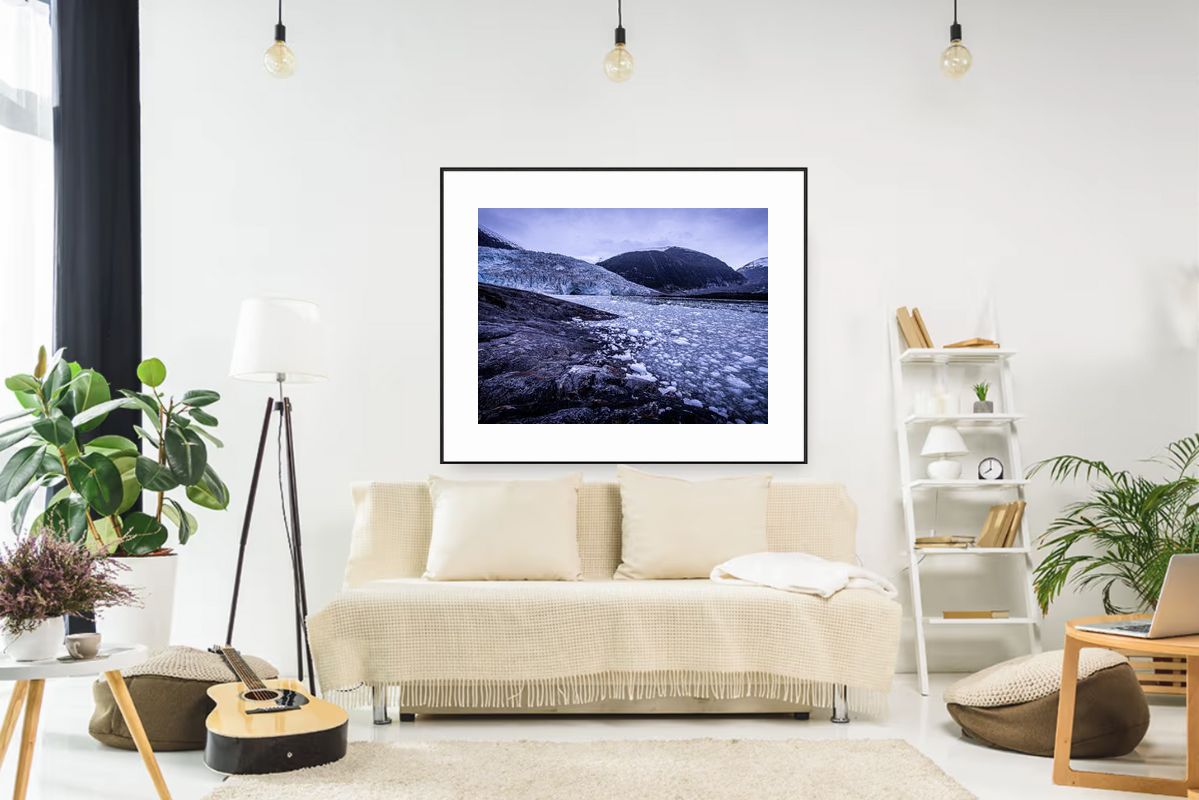
Glacier photography has unique qualities that make it perfect for modern interiors. Discover why these icy landscapes create such stunning focal points in contemporary spaces.
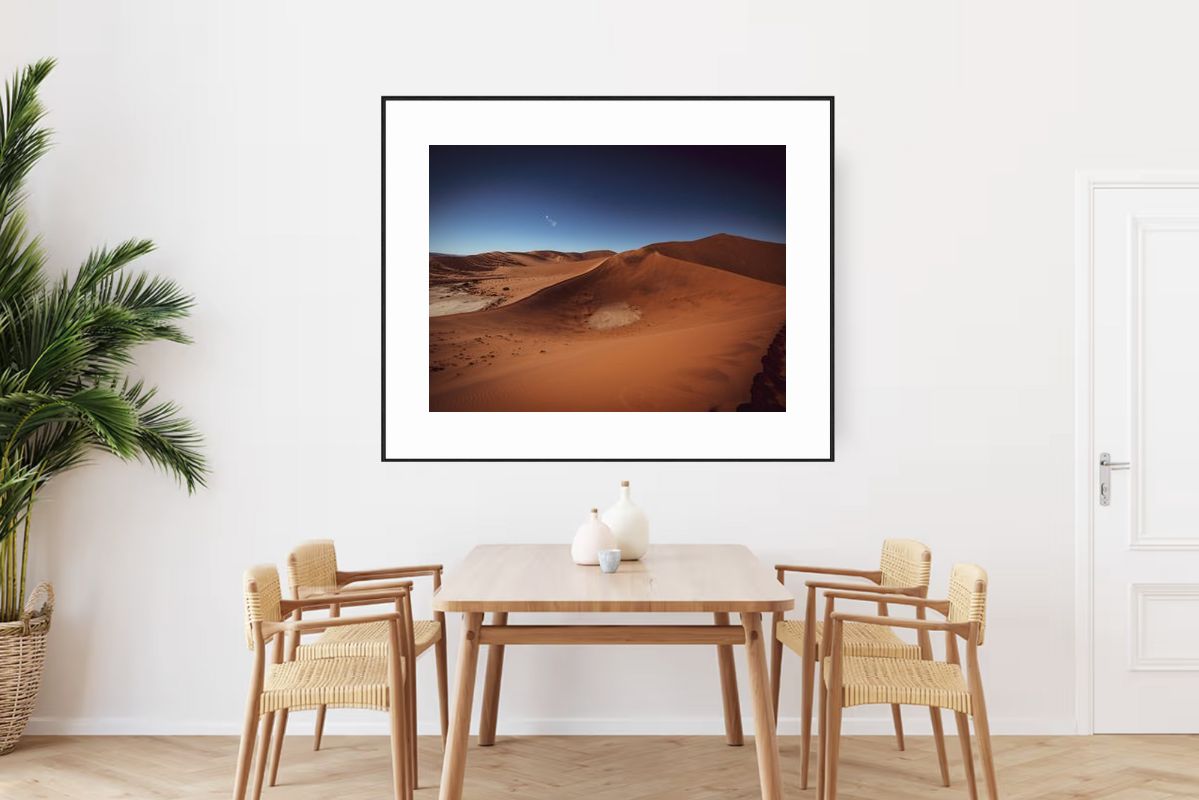
In our fast-paced world, quiet landscapes offer a visual escape. Discover why calm, minimalist art creates sanctuary in your home and helps you find peace in busy days.