


Home Decor
Art That Makes a Room Feel Bigger: A Simple Buyer's Guide
The right art can visually expand your space. Learn which types of art create the illusion of more space and how to choose pieces that make any room feel larger.
8 min read

In our fast-paced world, quiet landscapes offer a visual escape. Discover why calm, minimalist art creates sanctuary in your home and helps you find peace in busy days.
Calming Art for Busy Lives: The Case for Quiet Landscapes
Life is busy. Work, responsibilities, constant stimulation—it's overwhelming. Your home should be different. It should be calm. Quiet landscapes can create that calm. Here's why they work, and how to choose them.
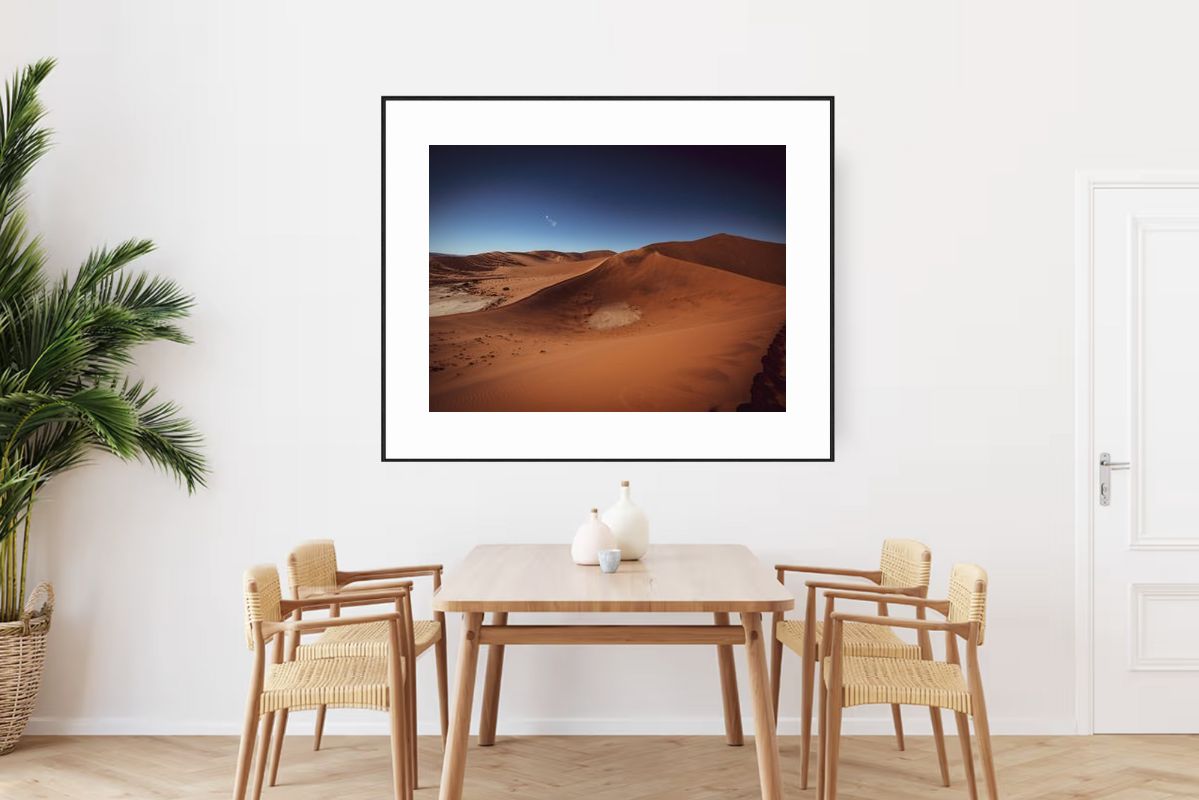
This calm, peaceful scene offers a visual escape from the chaos of busy lives, creating a moment of tranquility.
Modern life is:
Our homes should be:
The disconnect: Our homes often reflect the chaos outside, not the calm we need inside.
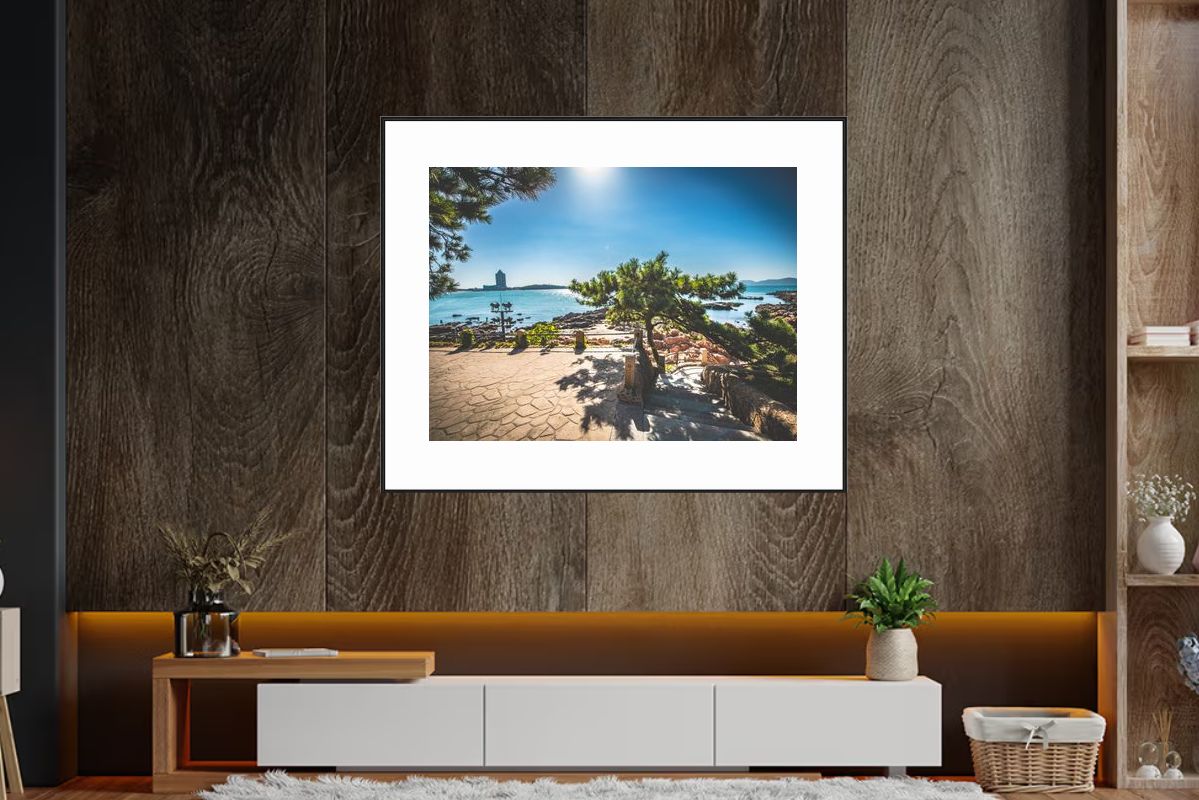
The calm harbor waters and soft light create a sense of peace and restoration, transforming your home into a sanctuary.
Quiet landscapes offer:
The result: Home becomes sanctuary, not just living space.
The simple composition with minimal elements and gentle contrasts creates visual quiet, perfect for busy lives seeking calm.
Quiet art has:
Avoid:
The misty, atmospheric quality creates a sense of peace and stillness, like taking a deep breath visually—a timeless moment of calm.
Quiet art creates:
The feeling: Like taking a deep breath, visually.
The soft pastels and quiet end of day scene reduce stress and promote relaxation, triggering the brain's calm response.
Research shows:
The brain: Recognizes calm. Quiet landscapes trigger relaxation responses.
The atmospheric scene creates mental space and reduces visual noise, supporting recovery from busy days.
Quiet landscapes:
The effect: Visual meditation, daily peace, mental restoration.
The calm water scene with soft, atmospheric quality creates the perfect quiet landscape for promoting peace and rest.
Best subjects for calm:
Avoid:
The soft, filtered light and gentle tones create a calm, restful atmosphere that supports mental clarity and peace.
Best colors for calm:
Avoid:
The simple horizon with lots of sky and minimal detail creates visual rest, perfect for busy lives seeking calm.
Best compositions for calm:
The rule: Less is more. Simpler is calmer.
Why: Place of rest, recovery, sleep
Best choices:
Effect: Promotes rest, reduces stress, supports sleep.
Why: Main gathering space, should feel welcoming and calm
Best choices:
Effect: Creates peaceful gathering space, reduces visual noise.
Why: Work space needs calm focus, not stimulation
Best choices:
Effect: Promotes focus, reduces stress, supports productivity.
Why: First impression, sets tone for home
Best choices:
Effect: Creates welcoming, calm first impression.
Busy spaces need:
Quiet landscapes provide: All of these, visually.
To create calm:
Result: Busy space becomes calm space.
Quiet landscapes:
The effect: Calm beginning, better day.
Quiet landscapes:
The effect: Calm ending, better rest.
Quiet landscapes:
The effect: Continuous calm, daily sanctuary.
Answer: No. Quiet doesn't mean boring. It means peaceful. Simple, beautiful scenes are never boring—they're calming.
Answer: You can have both. Use quiet landscapes in rest spaces (bedroom, office), energetic art in active spaces (gym, playroom).
Answer: Yes. Soft, muted colors are calmer than bright, saturated ones. But even colorful scenes can be quiet if composition is simple.
Answer: Large enough to have impact. Use 50-80% rule for walls, 60-75% for furniture. Larger pieces create more presence and calm.
Why quiet landscapes for busy lives:
How to choose:
Where they work:
Remember: In busy lives, we need calm. Quiet landscapes create that calm visually. They transform homes into sanctuaries, provide daily peace, and support mental rest. Choose simple, soft, open scenes. Place them prominently. Let them create calm. Your busy life needs this.
Your quiet landscape, your calm, your sanctuary.
Browse our complete collection of fog photography with 36 prints available.
The right art can visually expand your space. Learn which types of art create the illusion of more space and how to choose pieces that make any room feel larger.
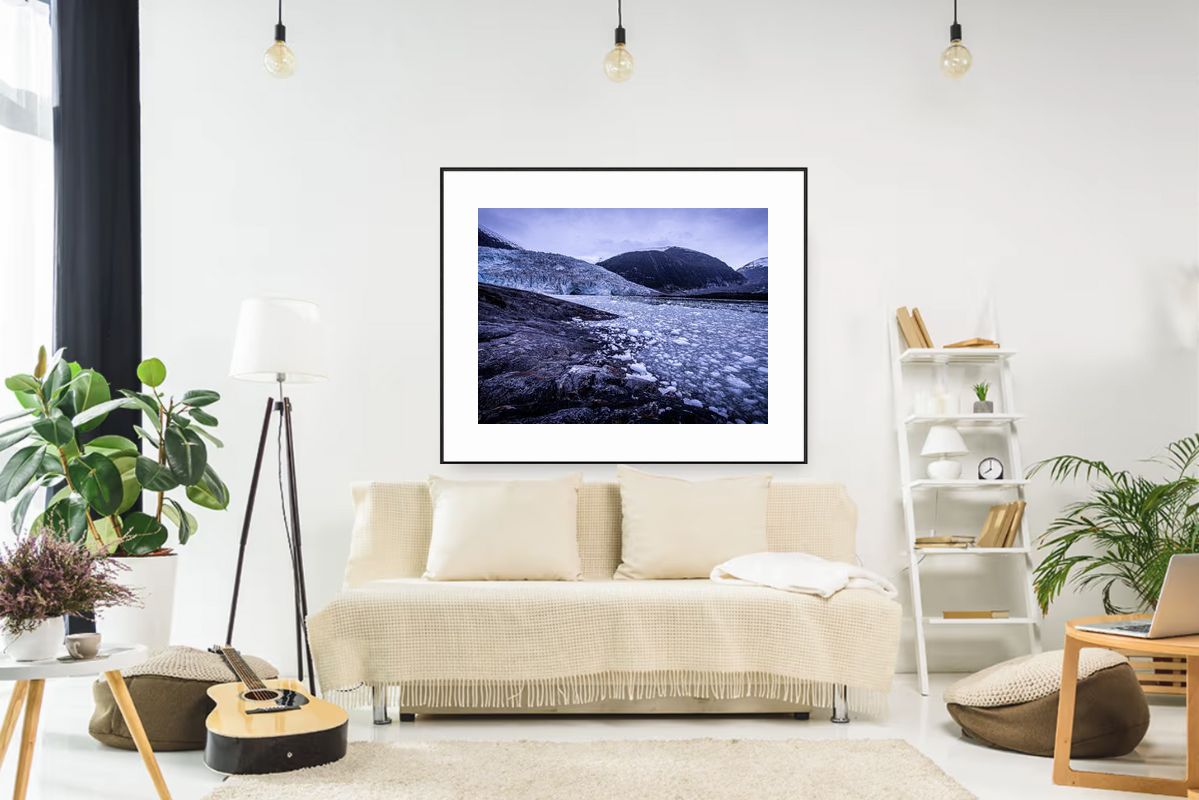
Glacier photography has unique qualities that make it perfect for modern interiors. Discover why these icy landscapes create such stunning focal points in contemporary spaces.
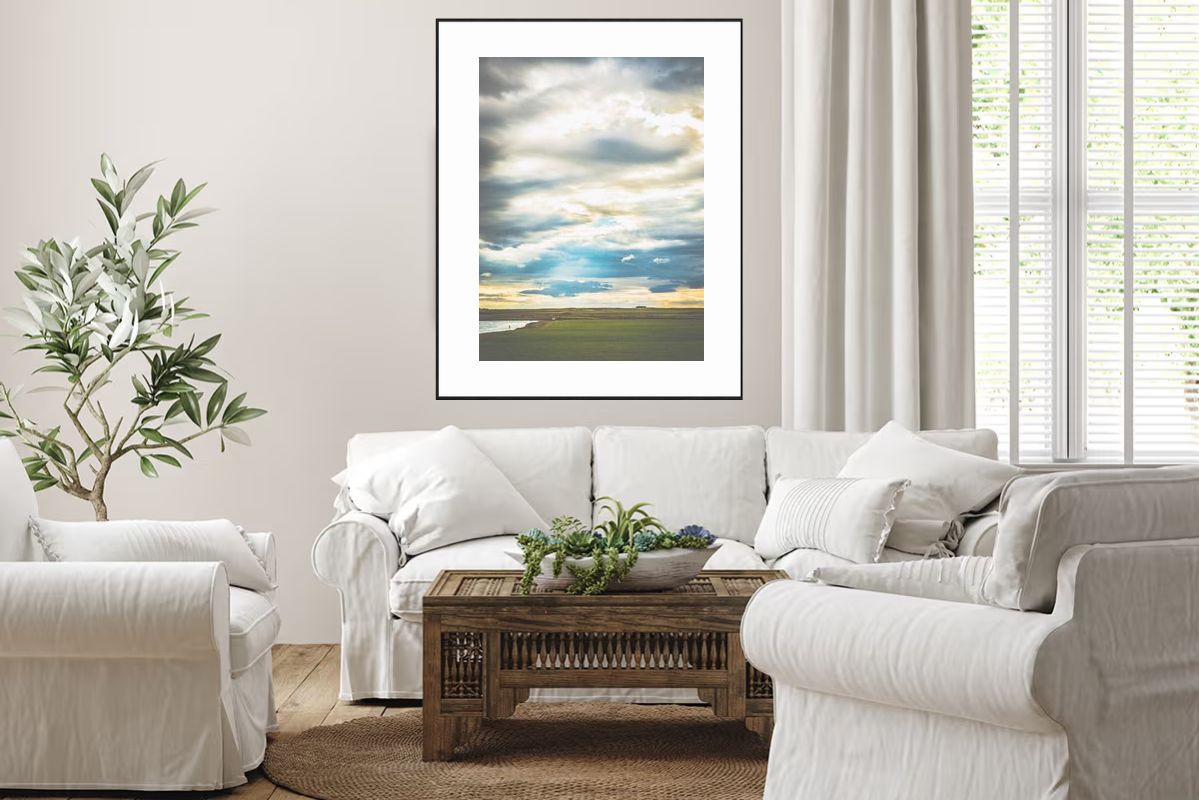
The right art can make your space feel larger and more peaceful. Learn the specific characteristics that create a sense of space and stillness in any room.