Logo
Home Decor
9 min read
Ning Ma

The Beginner's Guide to Large Wall Art (Without Getting It Wrong)

Large wall art makes a statement, but getting the size, placement, and selection right can be tricky. This beginner's guide helps you choose and place large art confidently.
#large wall art#art sizing#art placement#interior design#art advice#home decor
The Beginner's Guide to Large Wall Art (Without Getting It Wrong)

The Beginner's Guide to Large Wall Art (Without Getting It Wrong)

The Beginner's Guide to Large Wall Art (Without Getting It Wrong)

Large wall art is dramatic, impressive, and transformative. But it's also intimidating. Get it wrong, and you've wasted money on something that doesn't work. Get it right, and you've created a stunning focal point. This beginner's guide helps you choose and place large art without the common mistakes.

What Counts as "Large" Wall Art

Size Definitions

Large typically means:

  • 40+ inches wide for horizontal pieces
  • 36+ inches tall for vertical pieces
  • Substantial presence that dominates a wall
  • Statement pieces that become room focal points

In context: Large enough to be the main visual element in a space.

Why Go Large?

Benefits:

  • Dramatic impact: Creates immediate visual interest
  • Fills space: Perfect for large walls or high ceilings
  • Focal point: Anchors entire rooms
  • Luxury feel: High-end, sophisticated appearance
  • Makes statement: Reflects confidence and style

Common Large Art Mistakes

Mistake 1: Too Small for Space

The problem: Art that's large in absolute terms but too small for the space

Example: 36-inch art on a 15-foot wall looks lost

The fix: Art should be 50-80% of wall width for standalone walls

Mistake 2: Wrong Placement

The problem: Art positioned awkwardly—too high, too low, off-center

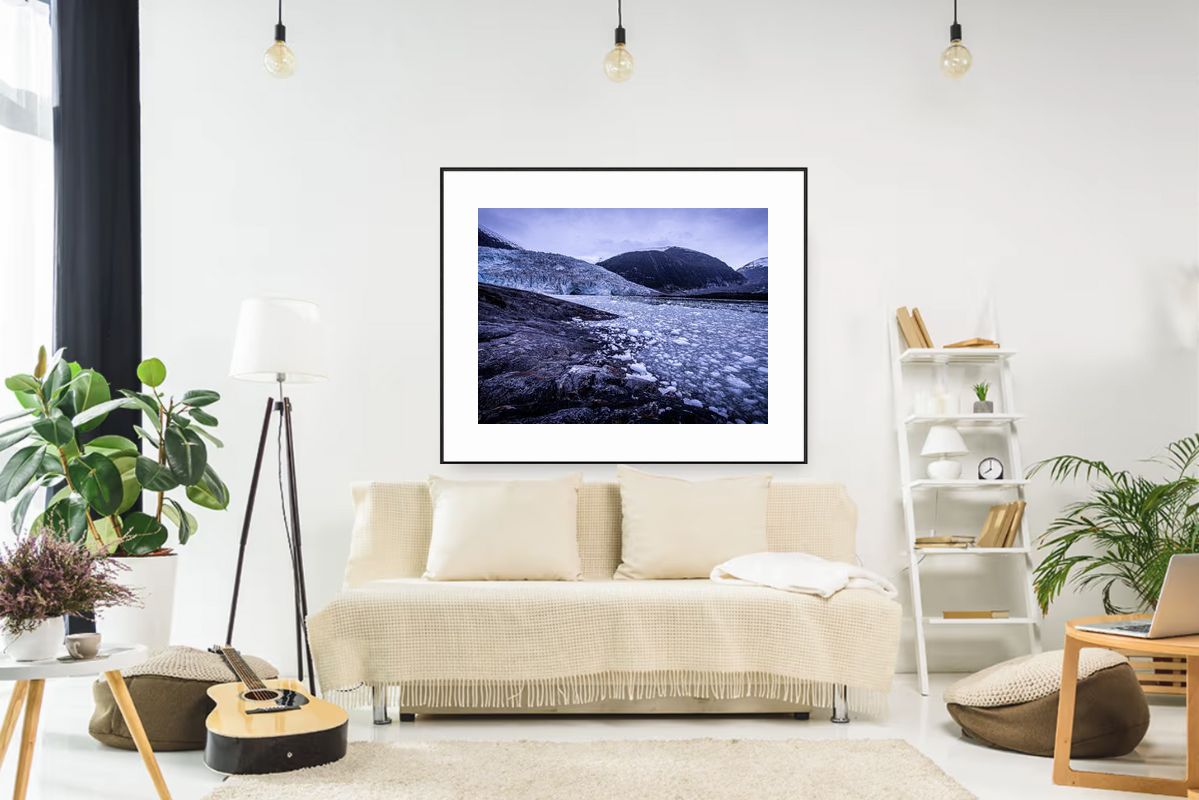
The fix: Center at eye level (57-60 inches), or 6-12 inches above furniture

Mistake 3: Wrong Subject

The problem: Subject that doesn't work at large scale

The fix: Simple compositions work best. Busy scenes can overwhelm when large.

Mistake 4: Poor Quality

The problem: Large art that looks pixelated, blurry, or unprofessional

The fix: Ensure high-resolution files, professional printing, quality materials

Mistake 5: Wrong Colors

The problem: Colors that clash with room or overwhelm space

The fix: Consider room colors, test in space, choose wisely

Choosing Large Art

Size Selection

For standalone walls:

  • Measure wall width
  • Art should be 50-80% of width
  • Leave 12+ inches on each side
  • Consider ceiling height

For above furniture:

  • Measure furniture width
  • Art should be 60-75% of furniture width
  • Can go slightly larger for dramatic effect
  • Maintain proportional relationship

Example calculations:

  • 12-foot wall (144 inches) → 72-115 inch art
  • 84-inch sofa → 50-63 inch art (can go to 70 for large)

Subject Selection

Best subjects for large art:

  • Simple horizons: Clean lines, lots of space
  • Minimalist compositions: Uncluttered, graphic
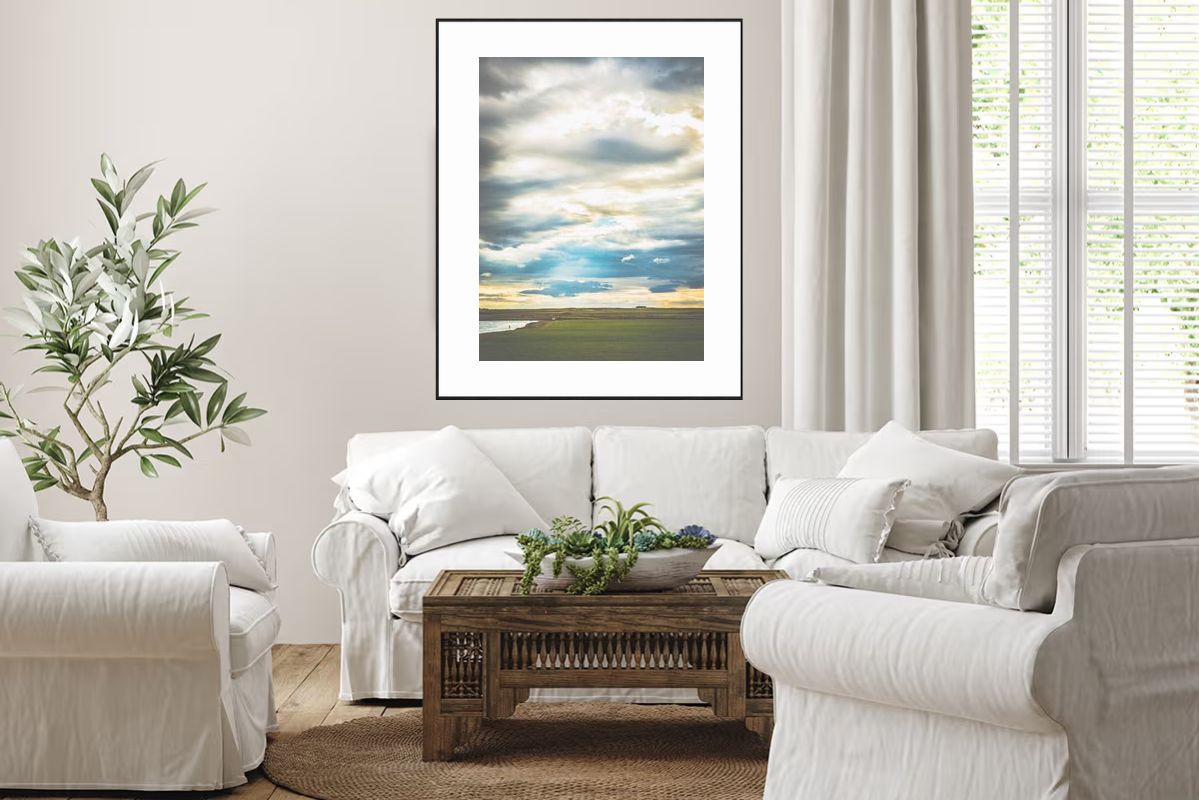
  • Expansive vistas: Grand, open scenes
  • Atmospheric scenes: Soft, diffused, not busy
  • Abstract landscapes: Simplified, graphic

Avoid for large art:

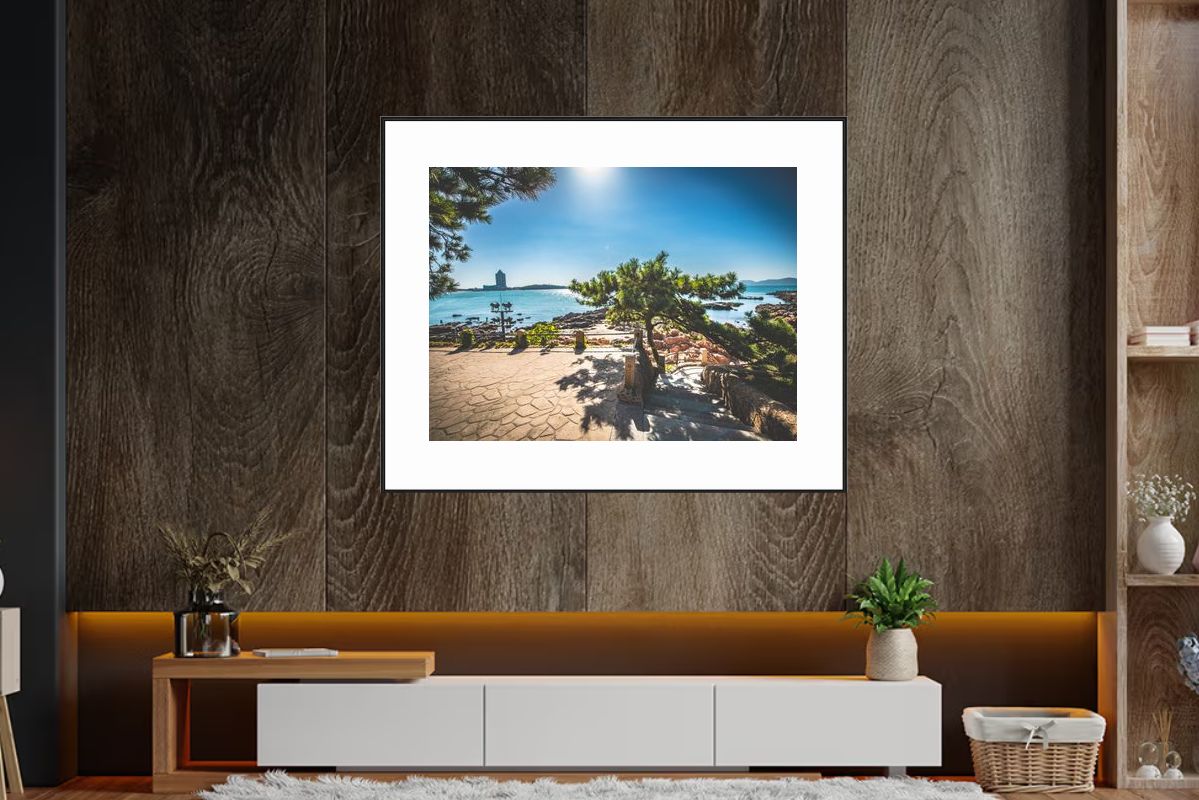
  • Busy scenes: Too much detail at large scale
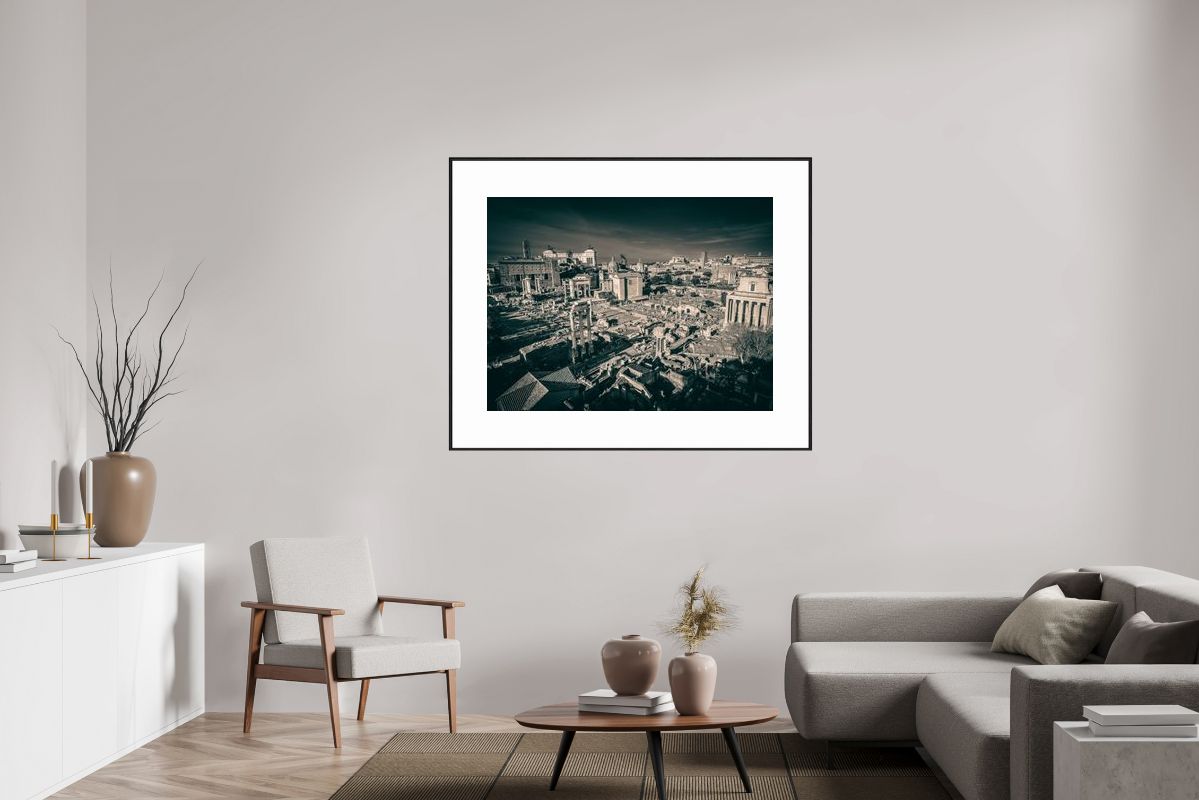
  • Complex compositions: Overwhelming when large
  • High contrast: Can be too intense
  • Cluttered scenes: Too much visual information

Color Considerations

For large art:

  • Neutral palettes: Work anywhere, versatile
  • Limited colors: One or two colors maximum
  • Muted tones: Softer, more approachable
  • Match or complement: Work with room colors

Avoid:

  • Rainbow palettes: Too many colors overwhelming
  • High saturation: Too intense at large scale
  • Clashing colors: Fight with room decor

Placement Strategies

Above Furniture

Above sofas:

  • 60-75% of sofa width
  • 6-12 inches above sofa back
  • Center on wall
  • Creates anchored focal point

Above beds:

  • 60-75% of bed width
  • 6-12 inches above headboard
  • Center on wall
  • Creates bedroom focal point

Above fireplaces:

  • Match or slightly exceed mantel width
  • Center above mantel
  • Consider mantel height
  • Creates dramatic focal point

Standalone Walls

Large empty walls:

  • Center the art
  • Leave breathing room (12+ inches on sides)
  • Consider height (center at eye level or slightly higher)
  • Make it the star (don't crowd with other elements)

High-ceiling spaces:

  • Can go larger (up to 80% of wall width)
  • Can position higher
  • Vertical pieces work well
  • Takes advantage of height

Creating Focal Points

Use large art to:

  • Anchor seating areas
  • Define spaces in open floor plans
  • Create destinations (end of hallway, etc.)
  • Establish room hierarchy
  • Make dramatic statements

Framing Large Art

Frame Options

Wide frames (2-3 inches):

  • Work well on large pieces
  • Add substantial presence
  • Create gallery-like appearance
  • Match the scale of art

Thin frames (1 inch):

  • Modern, minimal look
  • Don't compete with art
  • Contemporary aesthetic
  • Clean, simple

Frameless options:

  • Metal prints: No frame needed
  • Gallery wraps: Canvas wrapped, no visible frame
  • Ultra-modern look
  • Seamless appearance

Matting Considerations

For large art:

  • Wide mats (3-4 inches): Can work on large pieces
  • No mat: Modern, clean look
  • Colored mats: Choose from art or room
  • Consistent style: All large pieces should match

Lighting Large Art

Natural Light

Considerations:

  • Avoid direct sunlight (causes fading)
  • Use indirect light
  • Position to benefit from natural light
  • Monitor throughout day

Artificial Lighting

Options:

  • Track lighting: Adjustable, can highlight large art
  • Picture lights: Traditional, focused
  • Recessed lighting: Clean, modern, adjustable
  • Multiple lights: For very large pieces

Important: Large art needs proper illumination to be appreciated.

Budget Considerations

Large Art Costs

Price factors:

  • Size (larger = more expensive)
  • Materials (quality affects cost)
  • Printing (larger requires more)
  • Framing (larger frames cost more)
  • Edition type (limited vs. open)

Realistic ranges:

  • 40-48 inches: $1,500-$3,000
  • 48-60 inches: $3,000-$5,000
  • 60+ inches: $5,000+

Remember: Large art is an investment. Quality matters.

Common Beginner Questions

"How Big Is Too Big?"

Answer: If it overwhelms the space or furniture, it's too big. Art should relate to its surroundings, not dominate them completely.

"Can I Go Bigger Than the 75% Rule?"

Answer: Yes, for standalone walls or dramatic effect. But maintain visual balance. 80% is usually maximum.

"What If My Wall Is Huge?"

Answer: Large walls can handle large art. Don't be afraid to go big. Consider multiple pieces or one very large statement piece.

"Do I Need Professional Installation?"

Answer: For very large pieces (60+ inches), yes. Professional installation ensures safety and proper placement.

The Bottom Line

Large wall art success requires:

  • Right size for your space (50-80% of wall, 60-75% of furniture)
  • Simple, uncluttered compositions
  • Appropriate colors (neutral or limited palette)
  • Proper placement (centered, eye level, breathing room)
  • Quality materials and printing
  • Good lighting

Avoid:

  • Too small for space
  • Wrong placement
  • Busy compositions
  • Poor quality
  • Wrong colors

Remember: Large art makes a statement. Choose wisely, place thoughtfully, and enjoy the dramatic impact. When done right, large wall art transforms spaces and creates stunning focal points.

Your large art, your statement, your confidence.