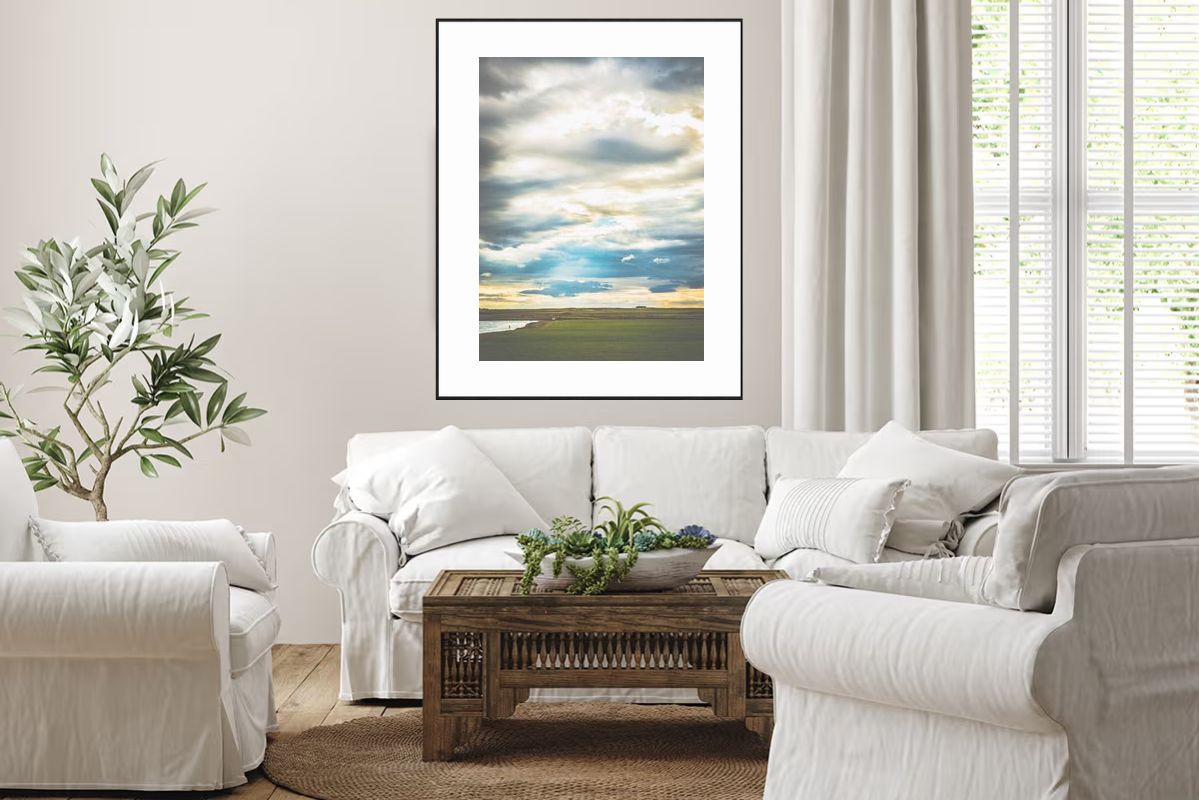
What Landscapes Create a Calming Effect in Offices? Office environments benefit from calming artwork that reduces stress and enhances productivity. Discover which landscape subjects and compositions promote tranquility in workspace settings.
#office art #workplace decor #calming art #office design #workplace wellness #interior design
The office environment significantly impacts productivity, creativity, and well-being. Research shows that natural imagery can reduce stress, improve focus, and enhance mood. Landscape art in offices isn't just decoration—it's a tool for creating better work environments. Here's which landscapes create the most calming effects.
Research indicates that:
Natural scenes reduce stress : Lower cortisol levelsImprove focus : Better concentration and attentionEnhance mood : Positive emotional responsesReduce fatigue : Less mental exhaustionPromote well-being : Overall health benefitsIn work environments, calming landscapes:
Reduce workplace stress : Create peaceful atmosphereImprove productivity : Better focus and efficiencyEnhance creativity : Inspire innovative thinkingSupport well-being : Promote employee healthCreate positive environment : Better workplace cultureWater is universally calming:
Oceans and Coastlines :
Gentle waves: Rhythmic, soothing Calm horizons: Peaceful, expansive Soft light: Warm, welcoming Creates sense of tranquility Lakes and Ponds :
Still water: Reflective, peaceful Quiet scenes: Serene, contemplative Natural settings: Connected to nature Promotes calm reflection Rivers and Streams :
Flowing water: Gentle movement Natural settings: Organic, peaceful Soft compositions: Not dramatic Creates sense of flow Soft, diffused landscapes:
Foggy Mountains :
Soft detail: Gentle, not harsh Mysterious but calm: Ethereal quality Limited color: Monochromatic or muted Creates peaceful atmosphere Misty Forests :
Soft light: Diffused, gentle Quiet scenes: Peaceful, contemplative Natural settings: Connected to earth Promotes tranquility Soft Sunrises/Sunsets :
Gentle light: Warm, not intense Peaceful scenes: Calm, serene Natural beauty: Inspiring but calm Creates positive mood Simple, uncluttered scenes:
Horizons :
Clean lines: Simple, clear Lots of sky: Open, expansive Minimal detail: Not busy Creates sense of space Desert Scenes :
Clean compositions: Simple, clear Warm tones: Comforting Lots of space: Open, free Creates sense of calm Abstract Landscapes :
Simplified forms: Clean, clear Limited elements: Not cluttered Strong composition: Balanced Creates peaceful focus Blues and Grays :
Ocean scenes: Calm, peaceful Sky scenes: Open, free Misty scenes: Soft, gentle Promotes relaxation Greens :
Forest scenes: Natural, grounding Soft greens: Fresh, calm Natural settings: Connected Reduces eye strain Monochrome :
Black and white: Timeless, calm Focuses on composition: Not color Reduces visual noise: Clean Creates peaceful focus Muted Tones :
Desaturated colors: Soft, gentle Pastel palettes: Calm, peaceful Limited color: Not overwhelming Creates serene atmosphere Avoid in Offices :
Bright, saturated colors: Too energizing High contrast: Too stimulating Dramatic weather: Storms, intense scenes Busy compositions: Too much visual information Calming landscapes feature:
Lots of breathing room : Not clutteredOpen areas : Sky, water, or spaceSimple compositions : Clear, uncomplicatedVisual rest : Places for eye to restLook for:
Gentle lines : Not harsh or angularSoft edges : Diffused, not sharpSmooth transitions : Gradual changesOrganic forms : Natural, flowingCalming art has:
Visual balance : Not lopsidedHarmonious elements : Work togetherPeaceful arrangements : Not chaoticNatural flow : Easy to viewFor the wall behind your desk:
Calming subject : Water, mist, or soft scenesAppropriate size : 24-36 inches wideEye level or slightly above : Comfortable viewingGood lighting : Properly illuminatedFor meeting spaces:
Large, calming pieces : 40-60 inchesPeaceful subjects : Promote calm discussionVisible to all : Everyone can seeProfessional appearance : Appropriate for businessFor welcoming spaces:
Welcoming scenes : Inviting, not intimidatingAppropriate scale : Match space sizeProfessional quality : High-end appearanceCalming atmosphere : Reduces visitor anxietyFor relaxation spaces:
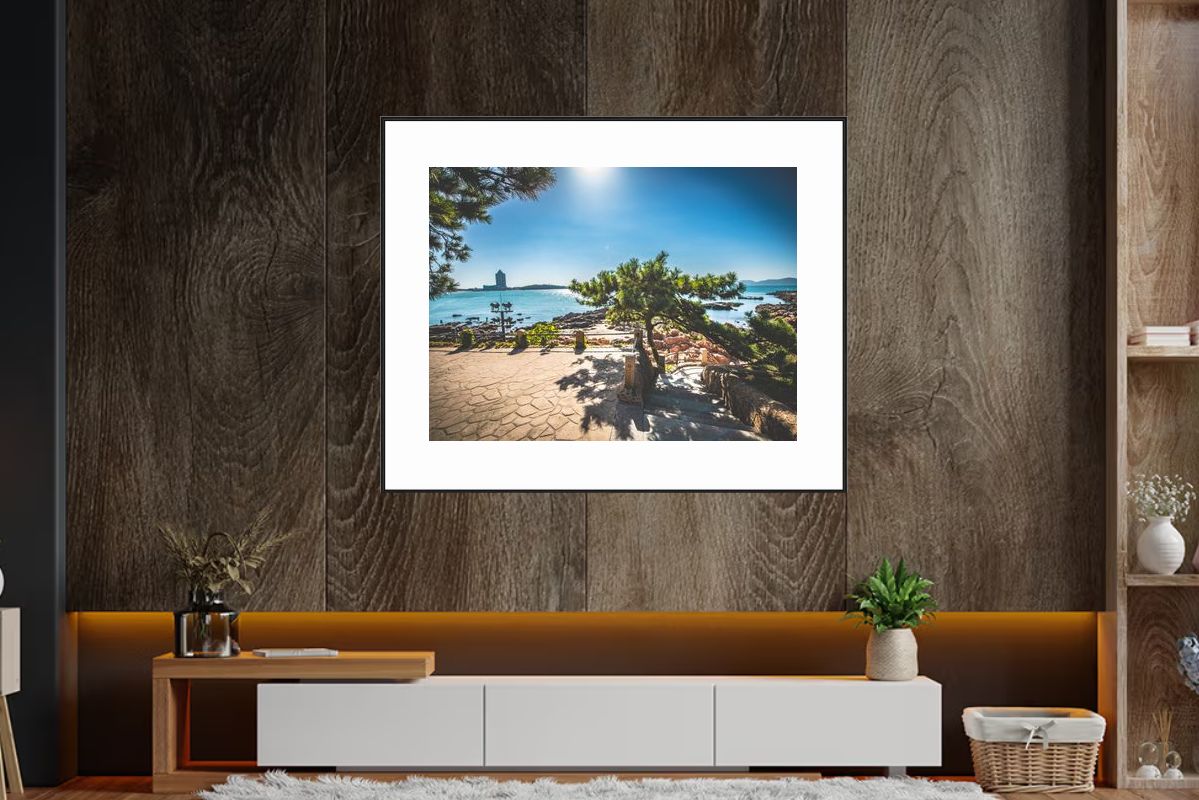
Very calming subjects : Maximum relaxationComfortable viewing : Easy to enjoyPositive imagery : Uplifting, inspiringNatural scenes : Connection to natureThis best-selling piece from Asia demonstrates office framing—the balanced composition works beautifully with professional frames, metal prints, or gallery wraps suitable for business environments.
Office art should:
Look professional : High-quality presentationMatch office aesthetic : Complement decorBe durable : Long-lasting in work environmentEasy to maintain : Simple to cleanModern Offices :
Thin, minimal frames Frameless metal prints Clean, contemporary Professional appearance Traditional Offices :
Classic wood frames Professional, elegant Timeless appeal Sophisticated look Office windows provide:
Variable light : Changes throughout dayPosition art carefully : Avoid direct sunUse indirect light : Soft, evenConsider glare : Avoid reflective surfacesOffice lighting should:
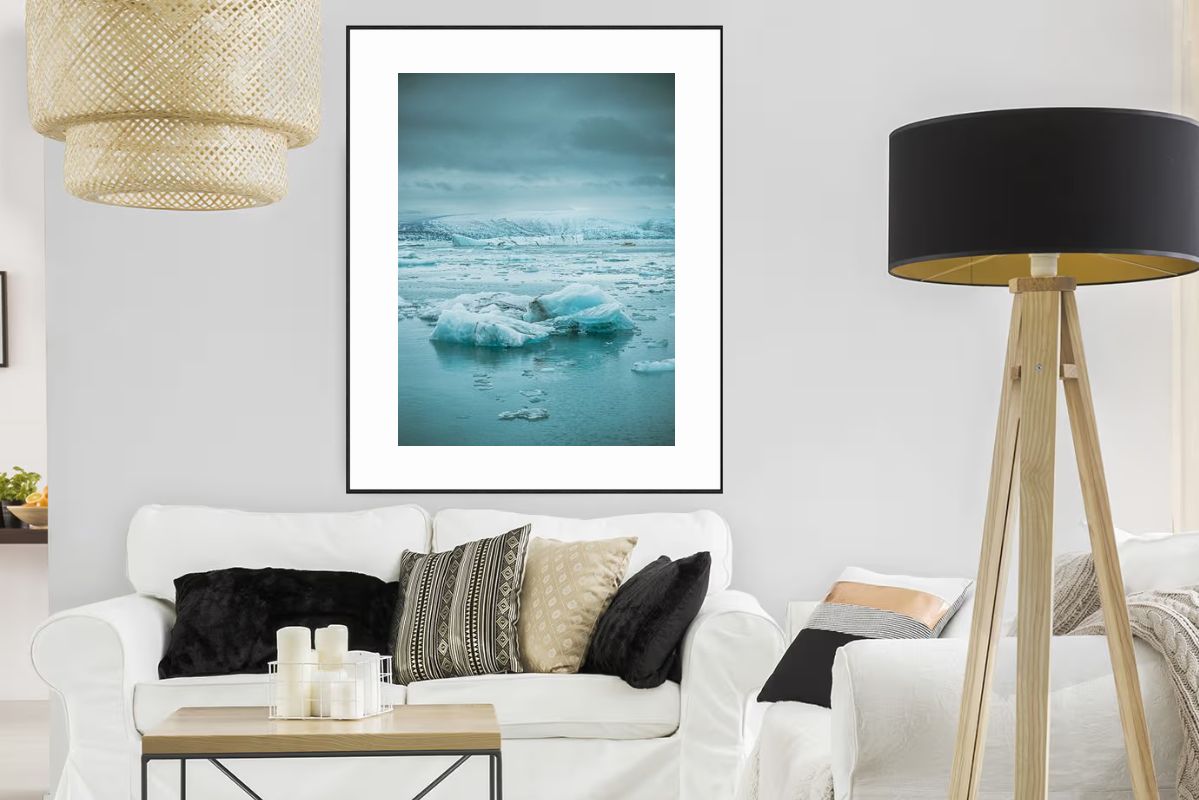
Illuminate properly : Art visible and clearAvoid harsh light : Soft, even illuminationConsider work lighting : Doesn't interfereDimmable options : Control intensityThis best-selling piece from Africa demonstrates stress reduction—the monochrome landscape creates mental space and reduces visual noise, supporting recovery from work demands.
Studies show:
Natural scenes lower cortisol : Stress hormone reductionImprove heart rate : Better cardiovascular responseReduce anxiety : Lower anxiety levelsPromote relaxation : Calm nervous systemResearch indicates:
Better focus : Improved attentionReduced mental fatigue : Less exhaustionEnhanced creativity : More innovative thinkingImproved mood : Positive emotional stateEvidence suggests:
Better overall health : Physical and mentalImproved job satisfaction : More positive outlookReduced sick days : Better health outcomesEnhanced workplace culture : More positive environment**Too Stimulating** : Art that's energizing rather than calming**Wrong Colors** : Bright, saturated colors that increase stress**Busy Compositions** : Too much detail, overwhelming**Poor Placement** : Art that's not visible or properly positioned**Inappropriate Subjects** : Scenes that don't fit office environment**Low Quality** : Art that looks unprofessionalThe most calming landscapes for offices:
Feature water, mist, or soft atmospheric scenes Use cool tones, neutrals, or muted palettes Have simple, uncluttered compositions Include lots of negative space Are appropriately sized and placed Are professionally presented Remember, office art isn't just decoration—it's an investment in workplace well-being. The right calming landscape can reduce stress, improve productivity, and create a more positive work environment. Choose art that promotes tranquility, supports focus, and enhances the overall office atmosphere. Your employees (and visitors) will benefit from a more peaceful, productive workspace.