


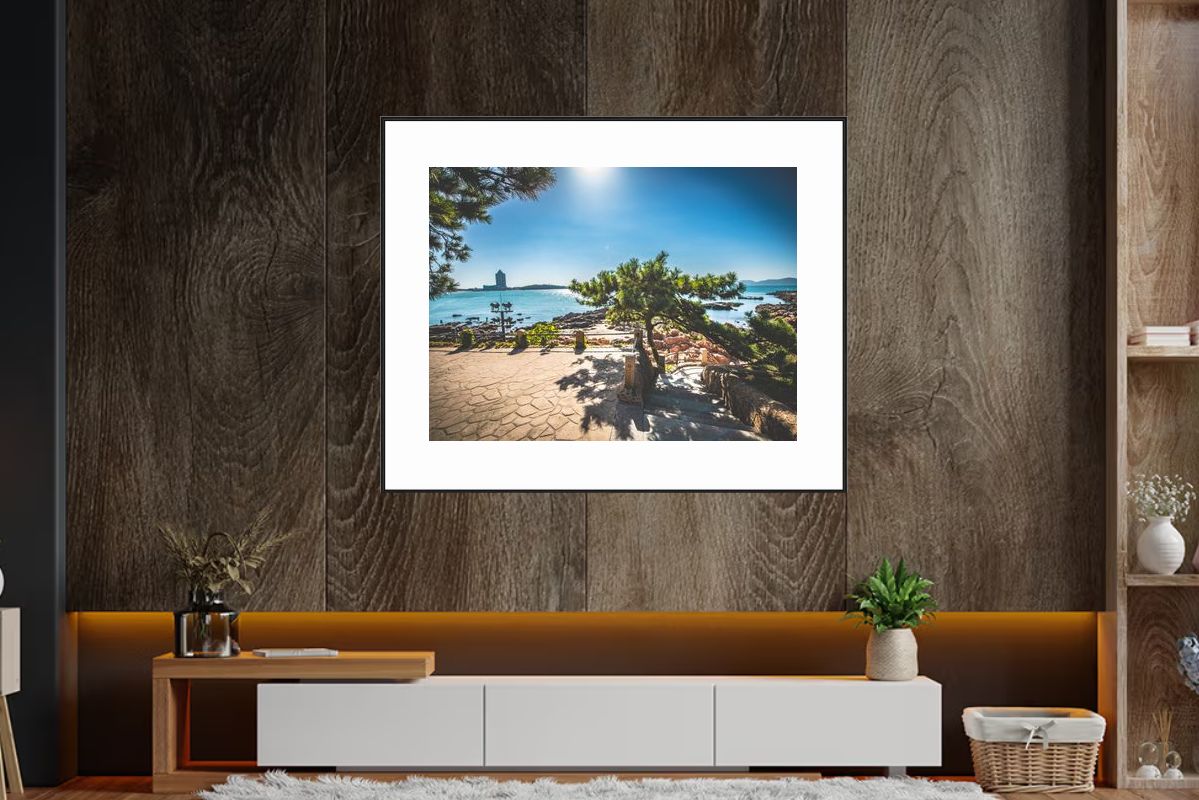
Home Decor
Art That Makes a Room Feel Bigger: A Simple Buyer's Guide
The right art can visually expand your space. Learn which types of art create the illusion of more space and how to choose pieces that make any room feel larger.
8 min read

Big art can feel intimidating, but it almost always looks better than small art. Discover why larger pieces create better spaces and how to overcome your nervousness.
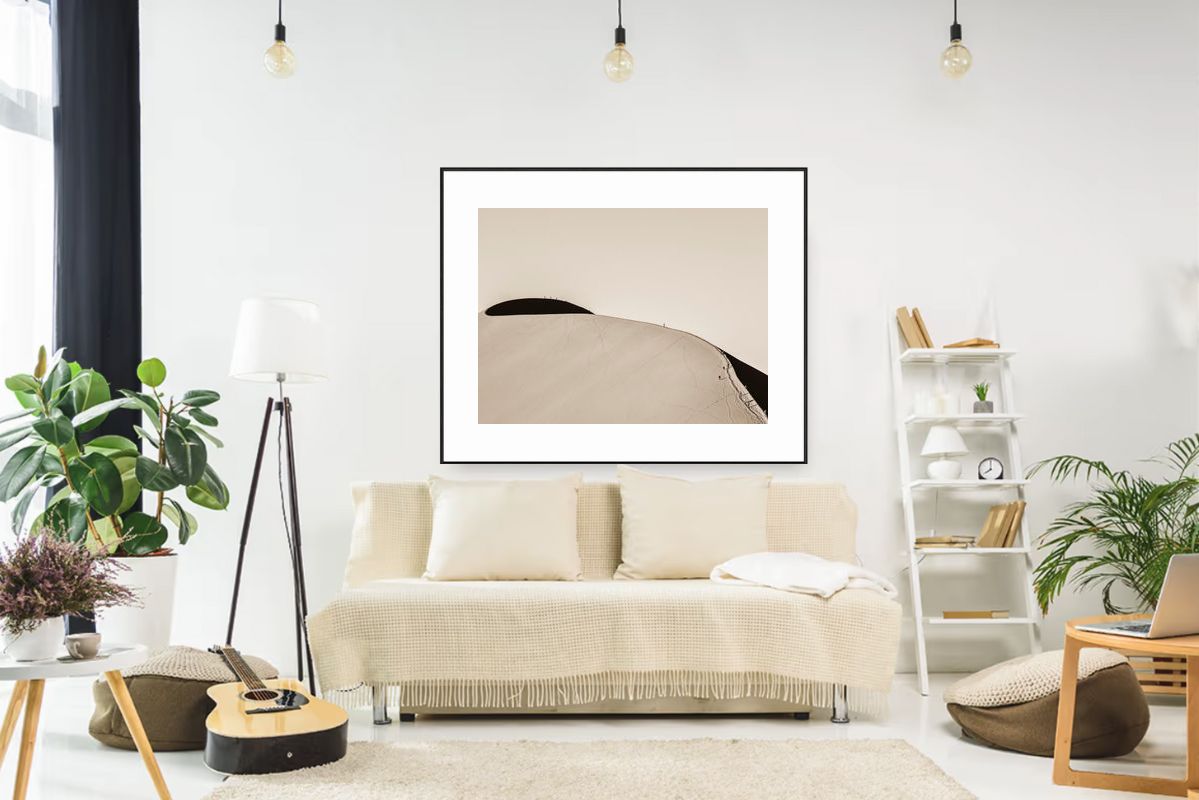
Why Big Art Looks Better (Even if You're Nervous About It)
You're nervous about big art. What if it's too much? What if it looks wrong? What if you waste money? Here's the truth: big art almost always looks better than small art. Here's why, and how to overcome your nervousness.
This dramatic, large-scale piece commands immediate attention and creates a powerful focal point, transforming the entire space with its impressive presence and professional appearance.
Big art creates:
Small art creates:
The difference: Big art transforms. Small art decorates.
The massive scale and dramatic composition of this piece fills large walls beautifully, creating perfect proportional balance and making rooms feel complete and intentional.
Small art on large walls:
Big art on large walls:
The reality: Art that's too small is a much more common mistake than art that's too large.
This confident, impactful piece demonstrates that big art creates sophistication and luxury—overcoming fears with its bold, dramatic presence that transforms any space.
Fear 1: "It Will Be Too Big"
Reality: Use the 50-80% rule. If you follow it, it won't be too big. The rule prevents this.
Solution: Measure, calculate, trust the math. Rules exist for a reason.
Fear 2: "It Will Overwhelm"
Reality: Simple compositions don't overwhelm, even at large scale. Choose wisely.
Solution: Select simple subjects (horizons, minimalist scenes). They're approachable at any size.
Fear 3: "It's Too Expensive"
Reality: Big art is an investment, but you can build gradually. Start with one piece.
Solution: Set budget, find quality within it, or save for what you want. One good piece beats many small ones.
Fear 4: "What If I Don't Like It?"
Reality: You can always change it. Art isn't permanent. But if you choose wisely, you'll love it.
Solution: Use checklists, follow guidelines, trust your instincts. Good choices lead to satisfaction.
Fear 5: "I'll Look Foolish"
Reality: Big art looks confident and sophisticated. Small art looks timid.
Solution: Big art is a statement of confidence. Embrace it.
The vertical drama and impressive scale of this piece create a sense of space and openness, demonstrating how larger art elevates spaces and creates luxury feel.
Research shows:
The brain: Recognizes proportion. Big art that's proportional feels right. Small art feels wrong.
This dramatic, substantial piece anchors entire spaces, creates clear focal points, and establishes tone—showing how big art transforms rooms completely.
Big art transforms:
Small art:
This quality, substantial piece fills living room spaces beautifully, creating confident focal points above sofas and demonstrating professional appearance at large scale.
Small art (36 inches above 84-inch sofa):
Big art (60 inches above 84-inch sofa):
The difference: Night and day. Big art transforms the space.
This dramatic piece anchors bedroom spaces perfectly, creating peaceful focal points above beds and transforming bedrooms into sanctuaries with its impressive presence.
Small art (24 inches above 60-inch bed):
Big art (48 inches above 60-inch bed):
The difference: Big art creates sanctuary. Small art is just decoration.
This expansive, confident piece communicates sophistication and intentional design, making a bold statement that shows you know what you're doing with big art.
Big art communicates:
Small art communicates:
The message: Big art says you know what you're doing. Small art says you're playing it safe.
This dramatic piece demonstrates the simple formula for big art success—right size, simple subject, limited colors, proper placement—creating stunning impact every time.
To make big art work:
Follow this, and big art works. Every time.
This dramatic, approachable piece addresses common concerns about big art, showing that simple compositions work beautifully at large scale without overwhelming spaces.
"But what if it's too big?"
"But what if it overwhelms?"
"But what if I waste money?"
"But what if I don't like it?"
Why big art looks better:
Why you're nervous:
How to overcome:
Remember: Big art almost always looks better than small art. Your nervousness is normal, but it's holding you back from creating truly transformed spaces. Use the rules, choose wisely, and trust that big art will look better. It almost always does.
Your big art, your confidence, your transformed space.
Browse our complete collection of deserts photography with 45 prints available.
The right art can visually expand your space. Learn which types of art create the illusion of more space and how to choose pieces that make any room feel larger.
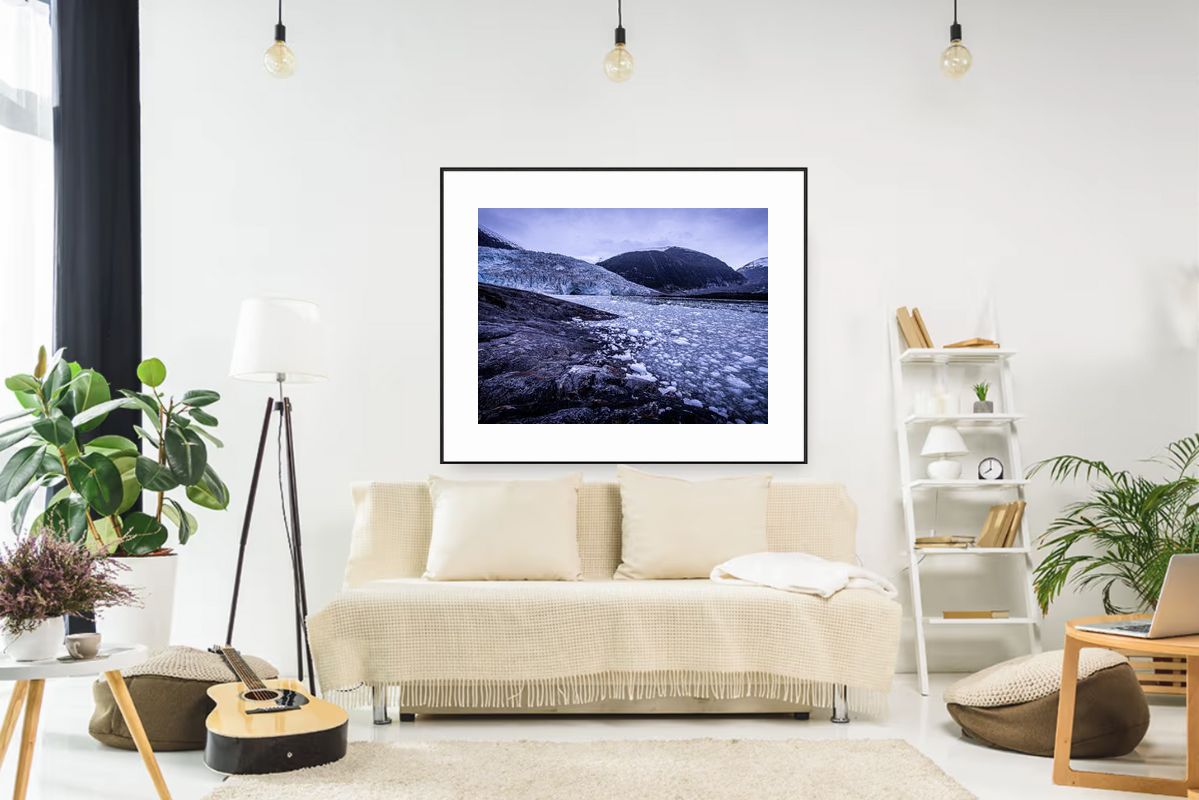
Glacier photography has unique qualities that make it perfect for modern interiors. Discover why these icy landscapes create such stunning focal points in contemporary spaces.
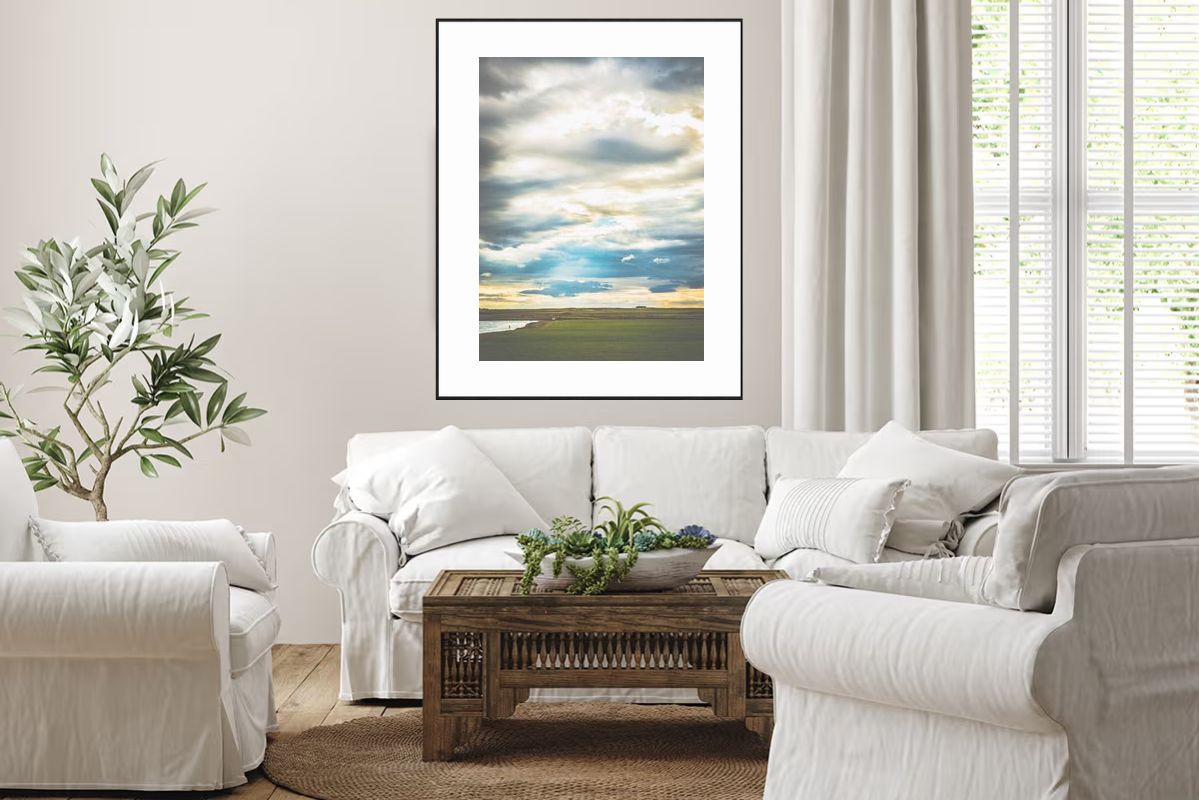
The right art can make your space feel larger and more peaceful. Learn the specific characteristics that create a sense of space and stillness in any room.