How Do I Choose Art for High-Ceiling Spaces?
High ceilings are a luxury—they create a sense of grandeur, openness, and sophistication. But they also present unique challenges when it comes to art placement. The wrong size or placement can make artwork look lost or create awkward proportions. Here's how to choose landscape art that takes advantage of your high ceilings.
Understanding High-Ceiling Spaces
The Challenge
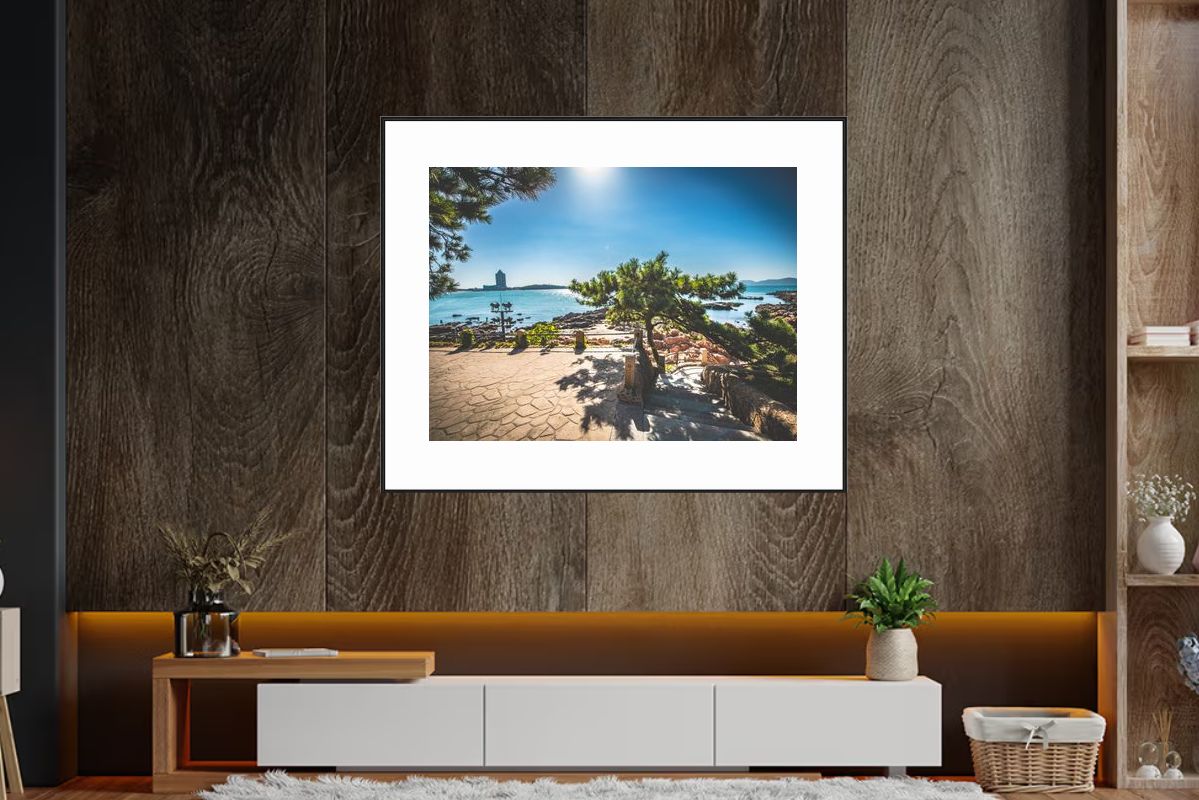
This award-winning piece from Africa addresses high-ceiling challenges—large scale artwork that fills vertical space, creates proper proportion, and strategic placement for visual balance.
High ceilings (typically 10 feet or more) require:
- Larger scale artwork to fill the vertical space
- Proper proportion to relate to both wall and furniture
- Strategic placement to create visual balance
- Vertical or large horizontal pieces that work with the height
The Opportunity
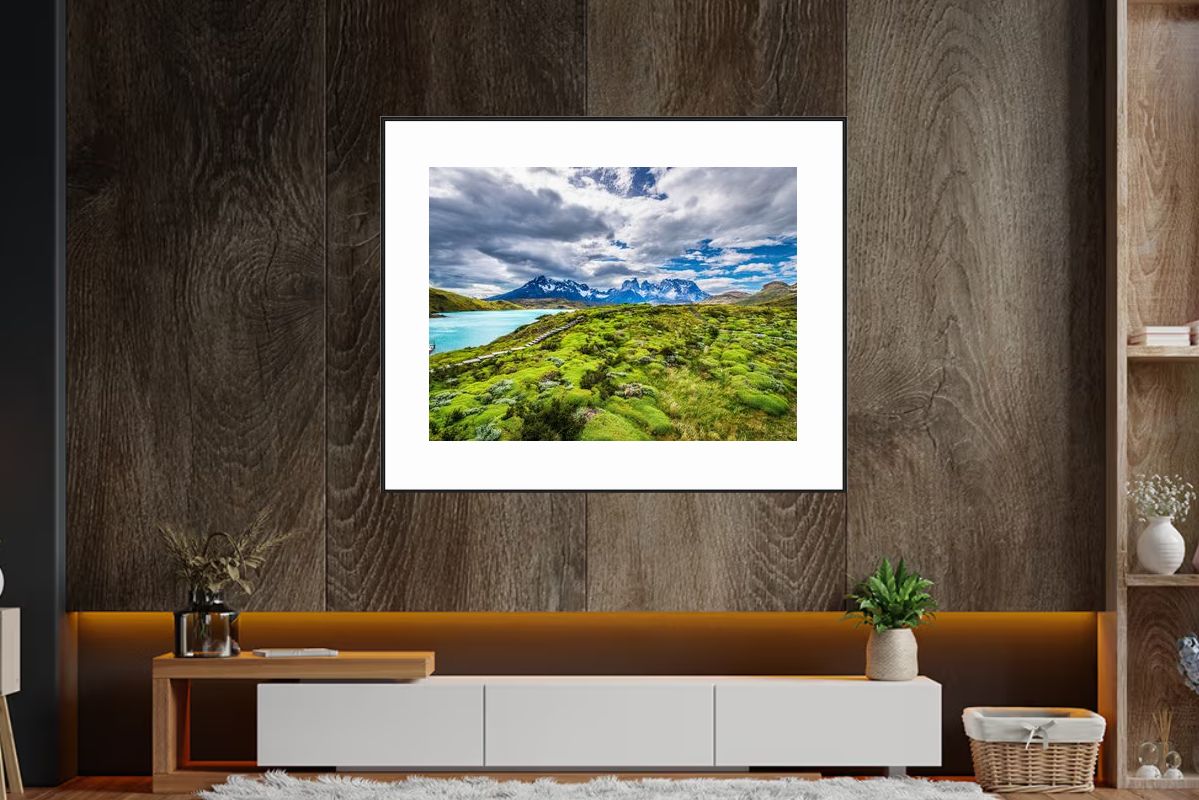
This award-winning piece from North America demonstrates high-ceiling opportunities—dramatic statement piece that wouldn't work in standard rooms, creating true focal point.
High ceilings allow for:
- Dramatic, statement pieces that wouldn't work in standard rooms
- Multiple pieces in vertical arrangements
- Gallery-style displays with proper spacing
- Oversized art that becomes a true focal point
Size and Scale
Going Big
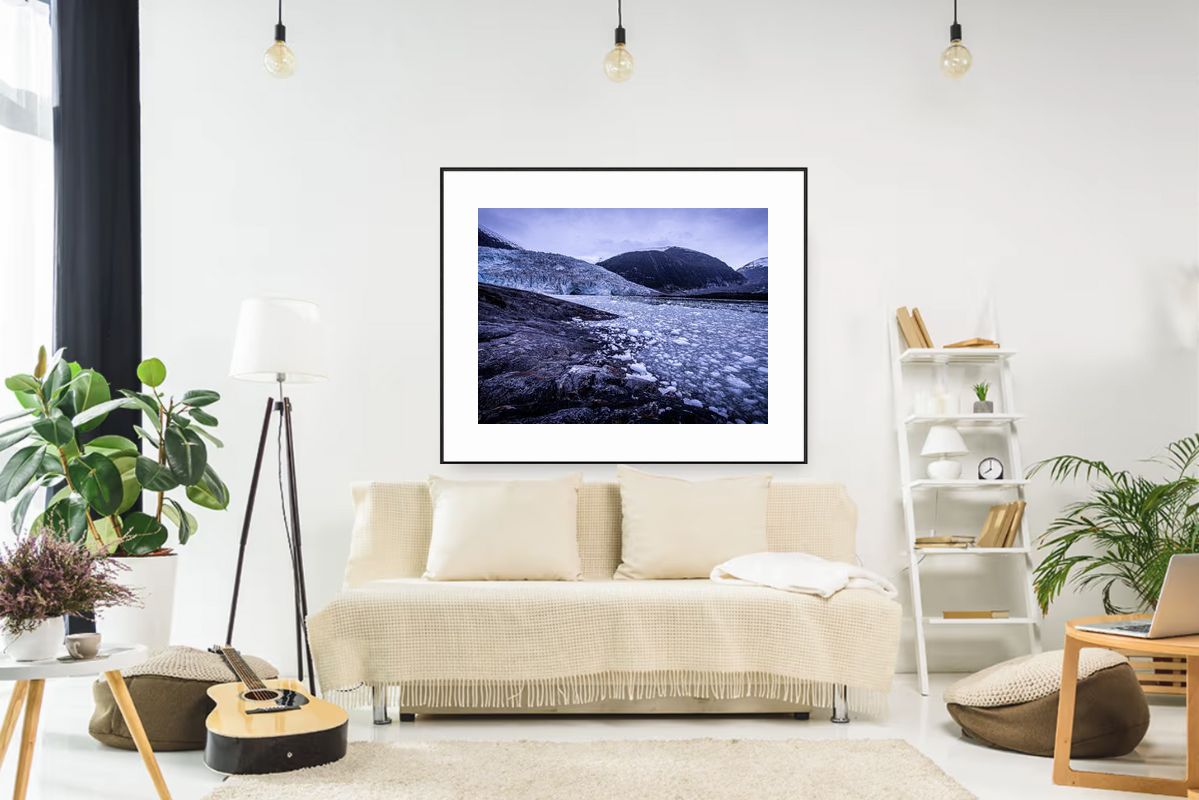
This award-winning piece from North America demonstrates going big—large horizontal piece that high ceilings can handle, creating impressive presence and proper scale.
High ceilings can handle:
- Large horizontal pieces: 48-72 inches wide
- Extra-large vertical pieces: 36-60 inches tall
- Oversized statements: Pieces that would overwhelm standard rooms
- Multiple large pieces: Gallery arrangements with substantial art
Vertical vs. Horizontal
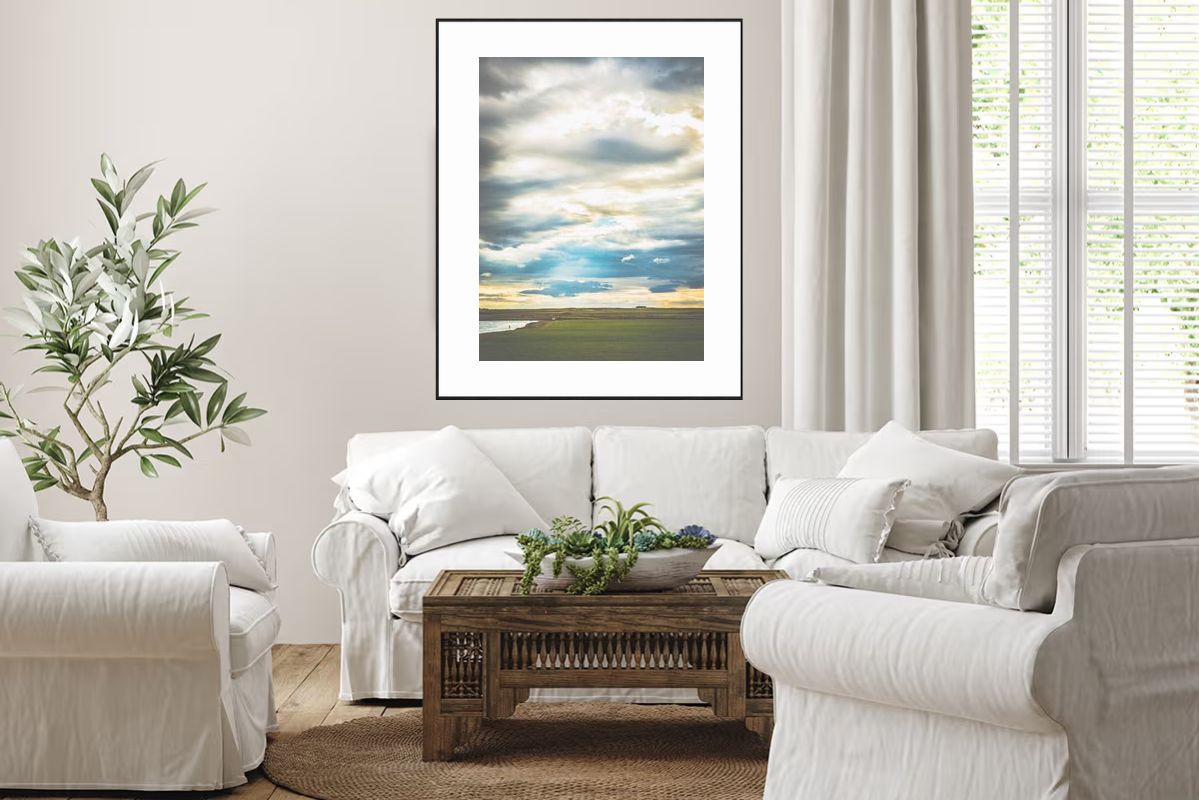
This award-winning vertical piece from Africa demonstrates vertical advantage—fills vertical space effectively, creates height and drama perfect for high-ceiling spaces.
Vertical Landscapes:
- Work well in high-ceiling spaces
- Fill vertical space effectively
- Create height and drama
- Work above tall furniture or in corners
Horizontal Landscapes:
- Need to be large enough to balance height
- Work well above sofas, fireplaces, or consoles
- Create width to balance vertical space
- Should be substantial (40+ inches wide)
Proportion Guidelines
For high ceilings:
- Art height: Should be 60-75% of wall height (not including baseboards)
- Above furniture: Art should be 2/3 to 3/4 the width of the furniture
- Standalone walls: Art can be larger, up to 80% of wall width
- Multiple pieces: Each should be substantial (24+ inches)
Placement Strategies
This award-winning piece from Europe demonstrates placement strategies—works beautifully above tall furniture, in corners, or as part of gallery arrangements in high-ceiling spaces.
Above Fireplaces
High-ceiling fireplaces are perfect for:
- Large horizontal landscapes: 48-60 inches wide
- Tall vertical pieces: 40-50 inches tall
- Triptychs: Three related pieces arranged vertically or horizontally
- Oversized single pieces: Make a dramatic statement
Height: Position art so the center is at eye level when standing, or 6-12 inches above the mantel.
Above Sofas
For sofas in high-ceiling rooms:
- Large horizontal pieces: Match or exceed sofa width (60-75% of sofa width)
- Vertical arrangements: Stack 2-3 related pieces vertically
- Oversized single piece: One large statement piece
- Gallery arrangements: Multiple pieces in a curated group
Height: Bottom edge 6-12 inches above sofa back. For very tall ceilings, art can be larger and positioned higher.
Standalone Walls
Large empty walls in high-ceiling spaces:
- Oversized single piece: 50-70 inches wide
- Large vertical piece: 40-60 inches tall
- Vertical gallery: 3-5 pieces stacked vertically
- Grid arrangement: Multiple large pieces in a grid
Stairwells
Stairwells with high ceilings:
- Vertical pieces: Follow the line of the stairs
- Multiple pieces: Arrange along the stair line
- Large single piece: At the landing or top of stairs
- Triptych: Three pieces arranged vertically
Subject Matter
Vertical Compositions
Landscapes that work well vertically:
- Tall mountains: Peaks that create vertical interest
- Trees and forests: Vertical elements that fill height
- Waterfalls: Natural vertical movement
- Abstract verticals: Simplified vertical compositions
Large Horizontal Compositions
Wide landscapes for high ceilings:
- Panoramic scenes: Wide, expansive views
- Horizons: Ocean or lake horizons with lots of sky
- Mountain ranges: Wide, sweeping vistas
- Desert scenes: Expansive, open landscapes
Dramatic Subjects
High ceilings can handle:
- Dramatic weather: Storm clouds, dramatic skies
- Bold compositions: Strong lines, high contrast
- Large-scale scenes: Grand, expansive landscapes
- Statement pieces: Art that commands attention
Framing Considerations
Large Frames
For oversized art:
- Wider frames: 2-3 inch frames can work on large pieces
- Substantial presence: Frames should match the scale of the art
- Quality materials: Large frames need to be well-constructed
- Consistent style: All frames should match
Frameless Options
For high-ceiling spaces:
- Large metal prints: No frame needed, clean look
- Gallery wraps: Frameless canvas for large pieces
- Seamless appearance: Creates modern, contemporary feel
- Easy to scale: Can go very large without frame concerns
Creating Visual Balance
Filling Vertical Space
To fill high ceilings:
- Stack multiple pieces: Vertical arrangements
- Use tall vertical art: Single pieces that reach upward
- Create height: Art that draws the eye up
- Balance with furniture: Art should relate to furniture scale
Horizontal Balance
To balance width:
- Wide horizontal pieces: Create width to balance height
- Multiple horizontal pieces: Side-by-side arrangements
- Gallery walls: Horizontal groupings
- Proportional width: Art should be substantial horizontally
Furniture Relationships
Art should relate to furniture:
- Large furniture: Requires large art
- Tall furniture: Can accommodate tall vertical art
- Low furniture: Art can be larger and positioned higher
- Scale matching: Art and furniture should feel proportional
Lighting for High Ceilings
Natural Light
High ceilings often have:
- Tall windows: More natural light
- Variable light: Changes throughout the day
- Top light: Light from above
- Consider positioning: Avoid direct sunlight, use indirect light
Artificial Lighting
For high-ceiling spaces:
- Track lighting: Adjustable, can highlight large art
- Picture lights: For individual pieces
- Recessed lighting: Clean, modern, adjustable
- Dimmable options: Control light intensity
Common Mistakes
- Too Small: Art that looks lost in the space
- Too High: Art positioned too high, disconnected from room
- Wrong Proportion: Art that doesn't relate to wall or furniture
- Ignoring Vertical Space: Not taking advantage of height
- Multiple Small Pieces: Too many small pieces instead of fewer large ones
- Poor Lighting: Art that's not properly illuminated
Conclusion
The best art for high-ceiling spaces:
- Is large enough to fill the vertical space
- Uses vertical or substantial horizontal compositions
- Creates visual balance with furniture and walls
- Takes advantage of the dramatic scale possible
- Is properly lit and positioned
- Makes a statement appropriate to the grand space
Remember, high ceilings are a luxury. Don't be afraid to go big with your landscape art. Large, dramatic pieces that would overwhelm standard rooms can be perfect in high-ceiling spaces. The right landscape photograph can take full advantage of your vertical space, creating a focal point that's proportional, balanced, and truly impressive.