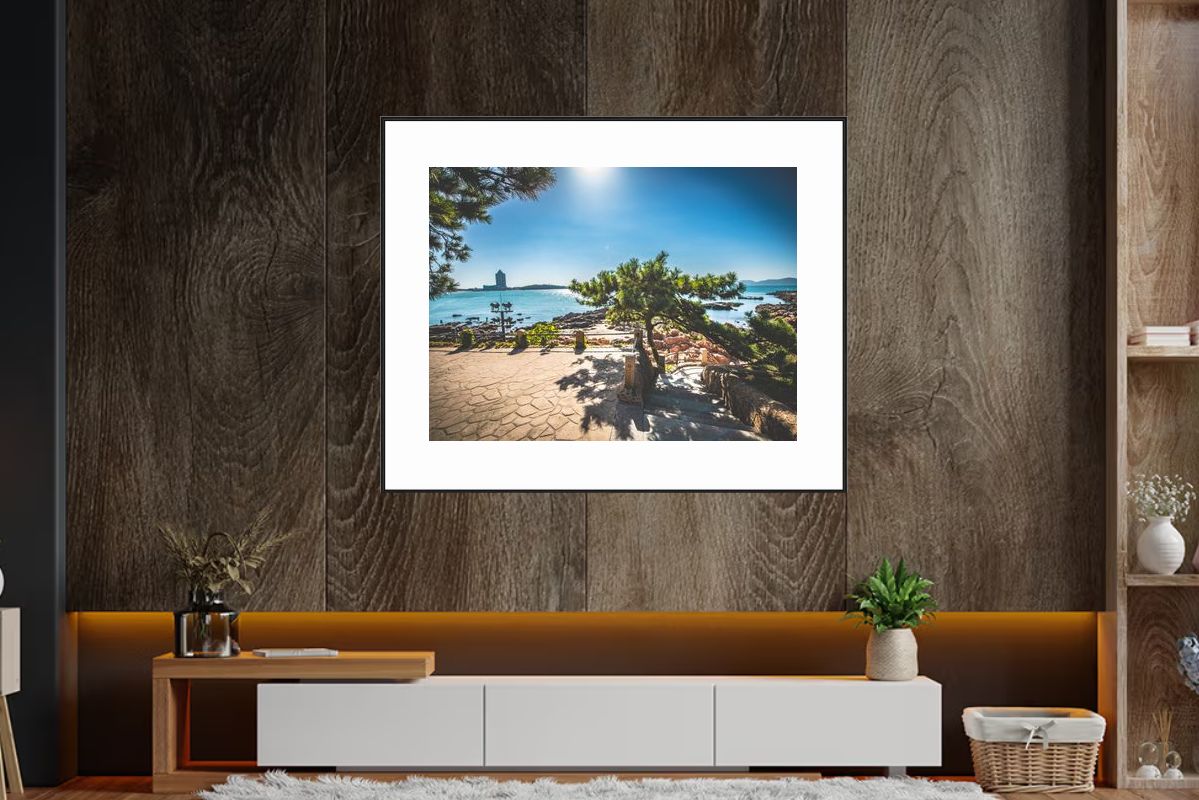
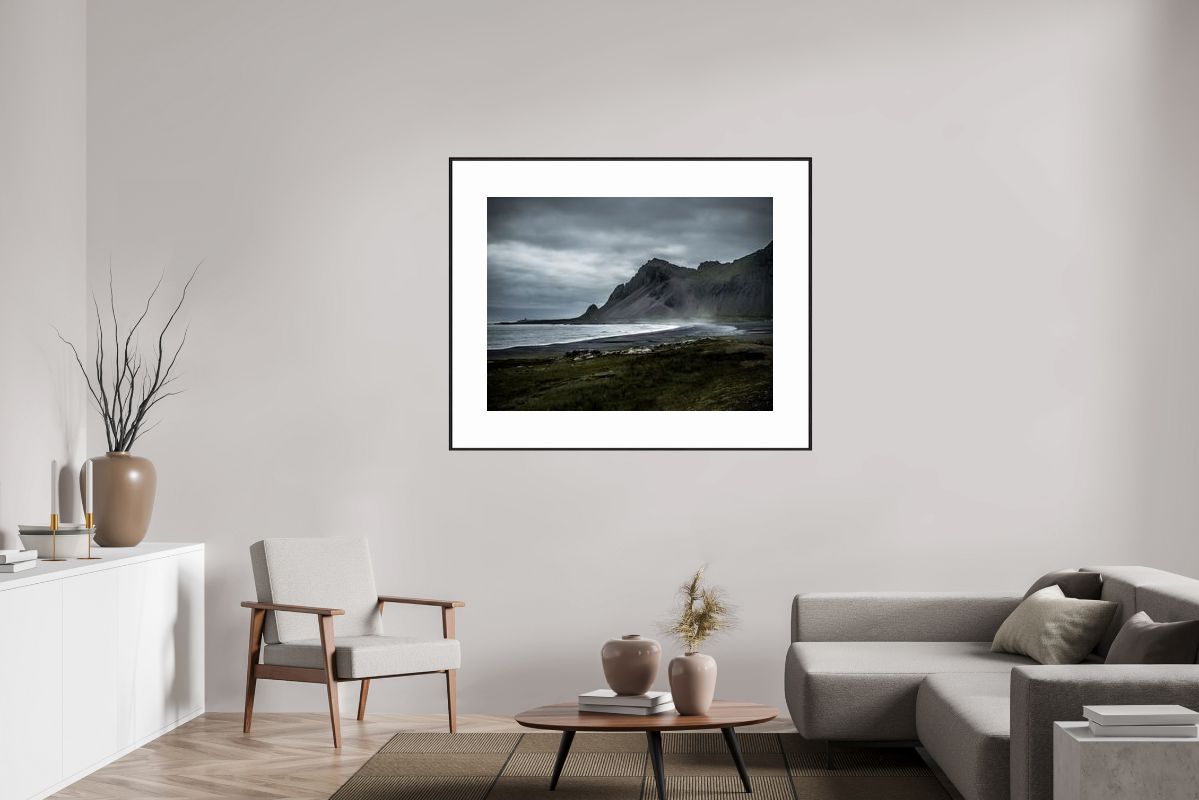
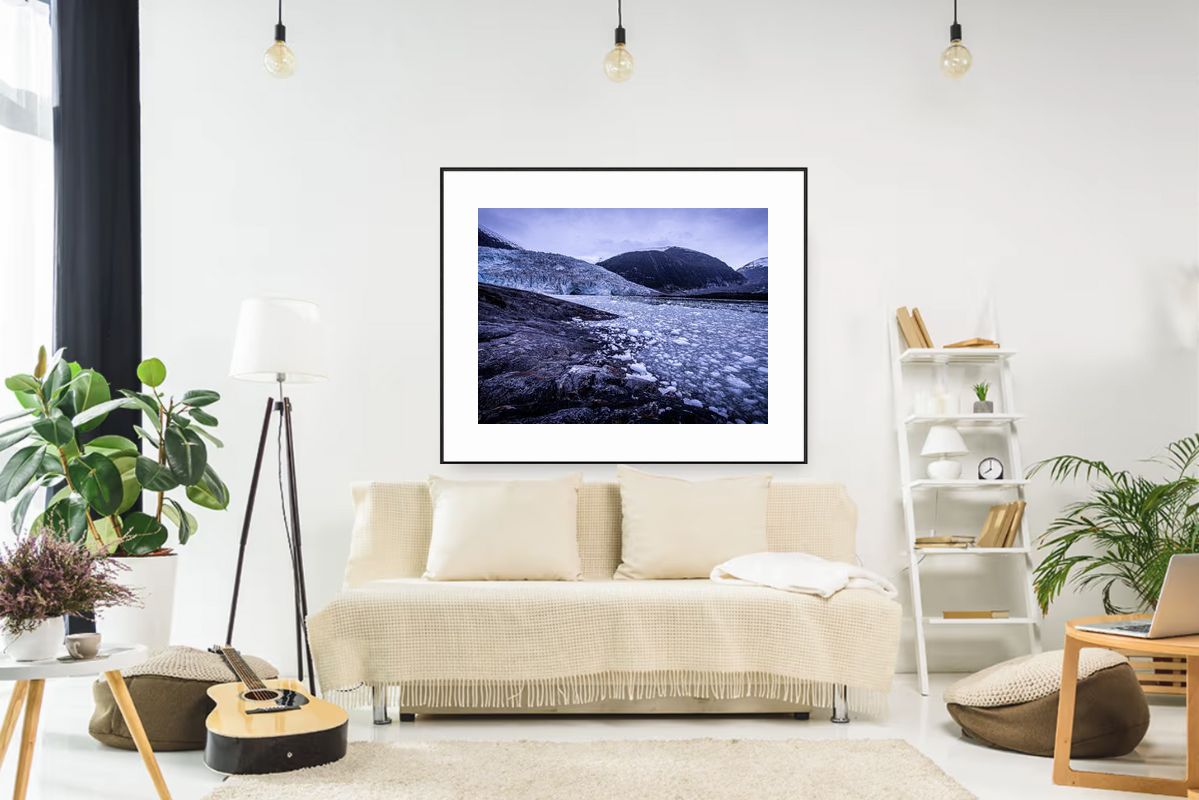
How Do I Style Large-Scale Landscape Prints? Large-scale landscape prints make dramatic statements. Learn how to style, frame, and display oversized landscape art to create stunning focal points in your home.
#large scale art #interior design #art styling #home decor #wall art #art display
Large-scale landscape prints are statement pieces—they command attention, create drama, and become the focal point of any room. But styling them correctly is crucial. Done right, they're stunning. Done wrong, they can overwhelm or look awkward. Here's how to style large-scale landscape prints beautifully.
Large-scale typically means:
40+ inches wide for horizontal pieces36+ inches tall for vertical piecesSubstantial presence that dominates a wallStatement pieces that become room focal pointsLarge-scale art offers:
Dramatic impact : Creates immediate visual interestFocal points : Anchors entire roomsLuxury feel : High-end, sophisticated appearanceFills space : Perfect for large walls or high ceilingsMakes statements : Reflects confidence and styleLarge-scale prints work best in:
Living rooms : Above sofas, fireplaces, or large wallsDining rooms : Above sideboards or on feature wallsBedrooms : Above beds (with proper proportions)Entryways : First impression, dramatic welcomeHigh-ceiling spaces : Takes advantage of vertical spaceOpen floor plans : Creates definition and focal pointsFor large-scale art, you need:
Adequate wall space : Art should have breathing roomProper proportions : Room and furniture should support the scaleGood lighting : Large art needs proper illuminationVisual balance : Other elements should complement, not competeWide Frames (2-3 inches) :
Work well on large pieces Add substantial presence Create gallery-like appearance Match the scale of the art Thin Frames (1 inch) :
Modern, minimal look Don't compete with art Contemporary aesthetic Clean, simple appearance Frameless Options :
Metal prints : No frame needed, seamlessGallery wraps : Canvas wrapped around frameUltra-modern look : Clean, contemporaryEasy maintenance : No frame to cleanFor large-scale art:
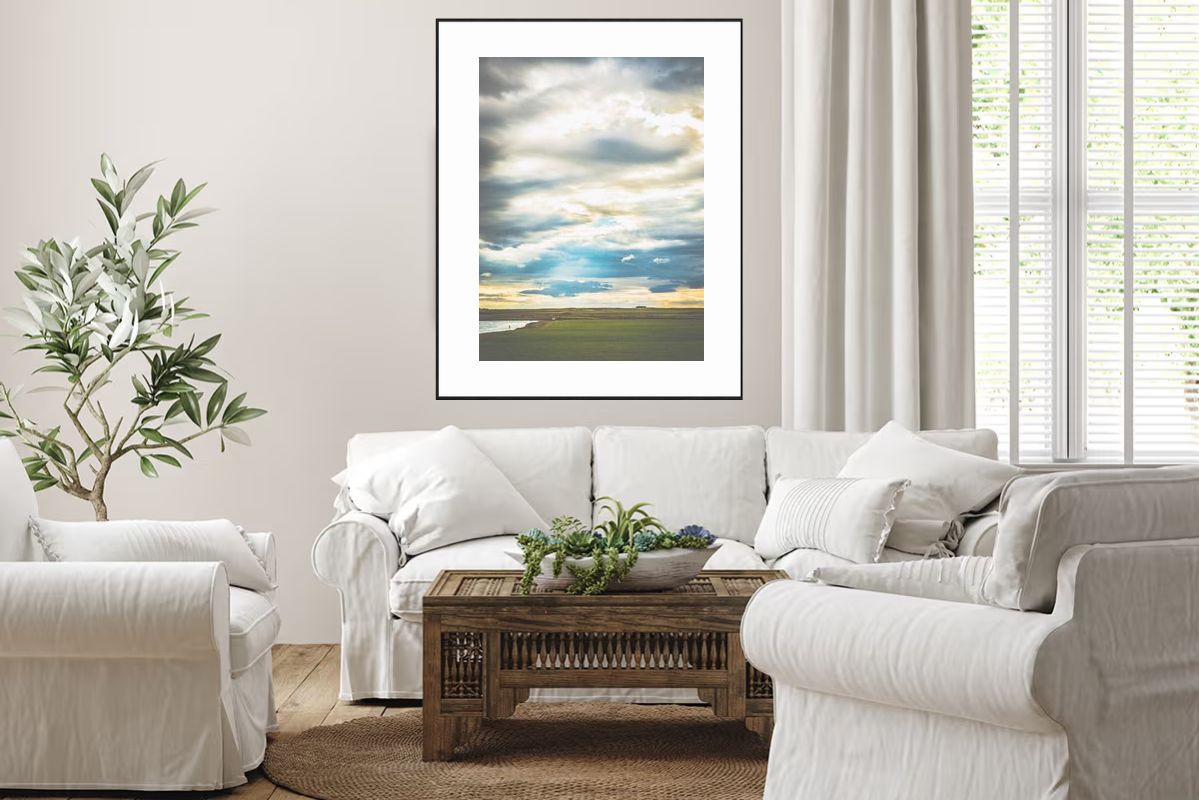
Wide mats : 3-4 inch mats can work on large piecesNo mat : Modern, clean lookColored mats : Choose from art or room paletteConsistent style : All large pieces should matchThis award-winning piece from Europe demonstrates placement strategies—large vertical format works beautifully as focal point, above furniture, or in gallery arrangements.
Above Sofas :
Should be 60-75% of sofa width Position 6-12 inches above sofa back Creates anchored focal point Balances furniture scale Above Beds :
Should be 60-75% of bed width Position 6-12 inches above headboard Creates bedroom focal point Maintains proportional balance Above Fireplaces :
Can be as wide as mantel or slightly wider Center above mantel Creates dramatic focal point Balances fireplace scale For large empty walls:
Center the art : Create balanced placementLeave breathing room : 12+ inches from edgesConsider height : Center at eye level or slightly higherMake it the star : Don't crowd with other elementsLarge-scale art in galleries:
Anchor piece : Use as the main focal pointSurround with smaller pieces : Create hierarchyMaintain spacing : 2-4 inches between piecesBalance composition : Large piece should anchor the arrangementFor large pieces:
Avoid direct sunlight : Causes fadingUse indirect light : Soft, even illuminationConsider window placement : Position art to benefit from natural lightMonitor throughout day : Light changes affect appearanceTrack Lighting :
Adjustable, can highlight large art Multiple lights for even coverage Modern, clean appearance Flexible positioning Picture Lights :
Traditional, elegant Mounted above art Focused illumination May need multiple for very large pieces Recessed Lighting :
Clean, modern Adjustable direction Even, professional illumination Multiple lights for coverage Dimmable Options :
Control light intensity Adjust for time of day Create different moods Protect art from excessive light Large-scale art with:
Bold colors : Can dominate a room—use carefullyNeutral palettes : More versatile, easier to styleMatching room colors : Creates harmonyAccent colors : Can introduce or reinforce color schemeFor large-scale pieces:
Simple compositions : Work best at large scaleStrong elements : Clear focal pointsLots of detail : Can be overwhelming when largeNegative space : Important for visual breathing roomLarge art should:
Match furniture scale : Large art, large furnitureComplement colors : Work with existing paletteBalance style : Match or complement design aestheticCreate harmony : Art and furniture should feel connectedDon't let other elements compete:
Simplify decor : Fewer, better piecesNeutral backgrounds : Let art be the starMinimal accessories : Don't clutter the spaceCohesive color scheme : Everything should work togetherFor large-scale art in living rooms:
Above sofa : Most common, creates focal pointAbove fireplace : Dramatic, traditional placementFeature wall : Standalone piece on large wallBalance with seating : Art should relate to furniture arrangementFor large-scale art in bedrooms:
Above bed : Creates peaceful focal pointOpposite bed : Last thing you see at nightCalming subjects : Choose restful landscapesProper scale : Don't overwhelm the sleep spaceFor large-scale art in dining rooms:
Above sideboard : Traditional, elegantFeature wall : Creates dining atmosphereAppetite-friendly subjects : Avoid disturbing imageryVisible from table : Art should enhance dining experienceFor large-scale art in entryways:
First impression : Sets tone for entire homeDramatic welcome : Makes strong statementVisible from outside : Consider view from front doorProper scale : Should fill the space appropriately**Too Small for Space** : Large art that's actually too small**Poor Lighting** : Art that's not properly illuminated**Wrong Placement** : Art positioned awkwardly**Competing Elements** : Too many other visual elements**Wrong Frame** : Frame that doesn't match art scale**Color Clashes** : Art that fights with room colorsThe best large-scale landscape prints:
Are properly sized for their space Use appropriate framing (or go frameless) Are well-lit and properly placed Complement rather than compete with furniture Create dramatic focal points Reflect your personal style and taste Remember, large-scale art is an investment and a statement. Take time to choose the right piece, frame it appropriately, place it thoughtfully, and light it properly. When done right, a large-scale landscape print can transform a room, creating a stunning focal point that reflects your style and enhances your space for years to come.