Is Vertical or Horizontal Art Better for Hallways?
Hallways present unique challenges for art placement. Discover whether vertical or horizontal artwork works best in narrow spaces and how to create visual flow.
Hallways are transitional spaces—they connect rooms and guide movement through your home. But they're also opportunities to display art and create visual interest. The question is: vertical or horizontal? The answer depends on your hallway's dimensions, traffic patterns, and your goals for the space.
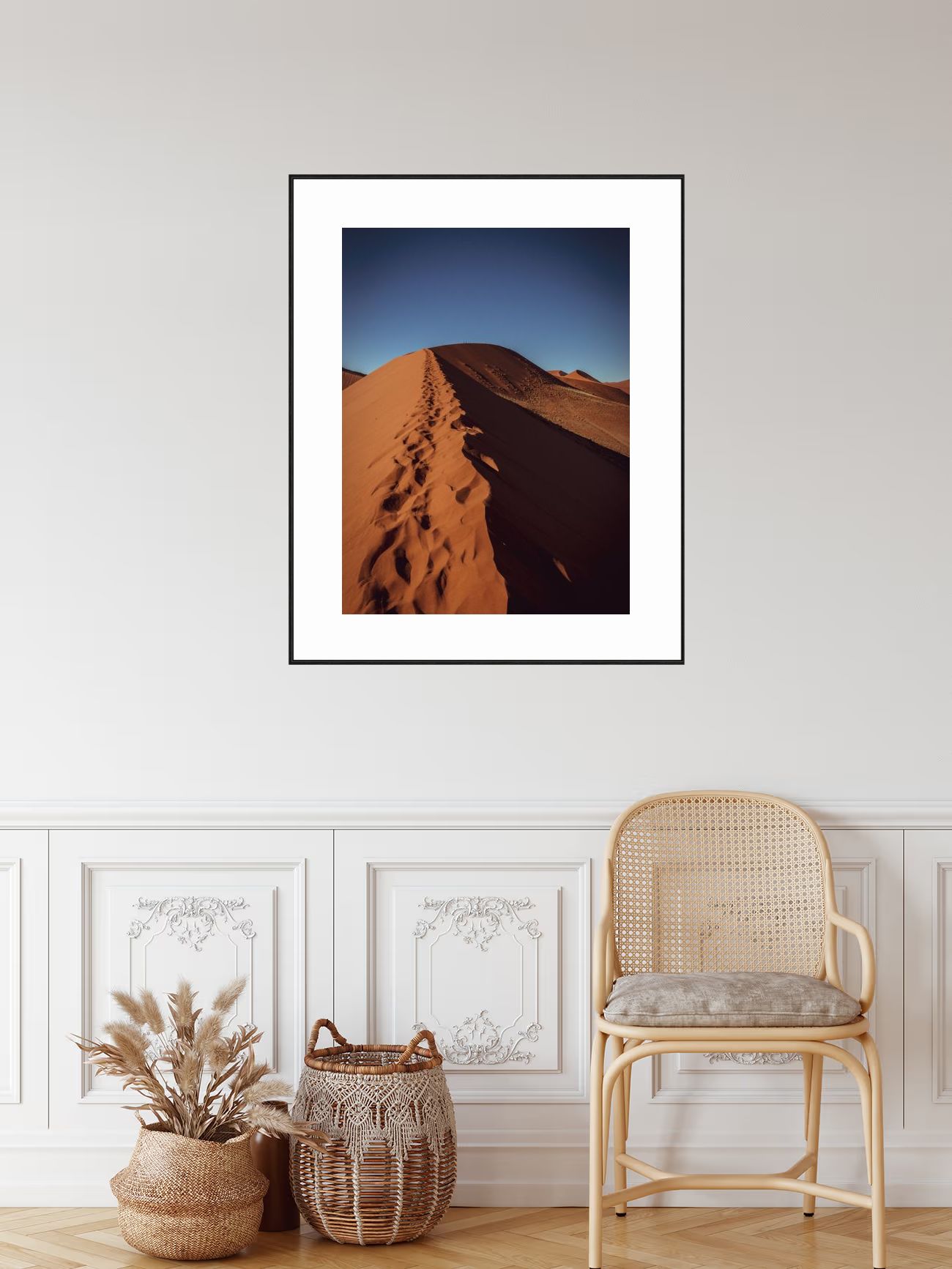
This award-winning vertical piece from Africa demonstrates perfect hallway fit—the portrait orientation works beautifully in narrow hallways with limited wall space.
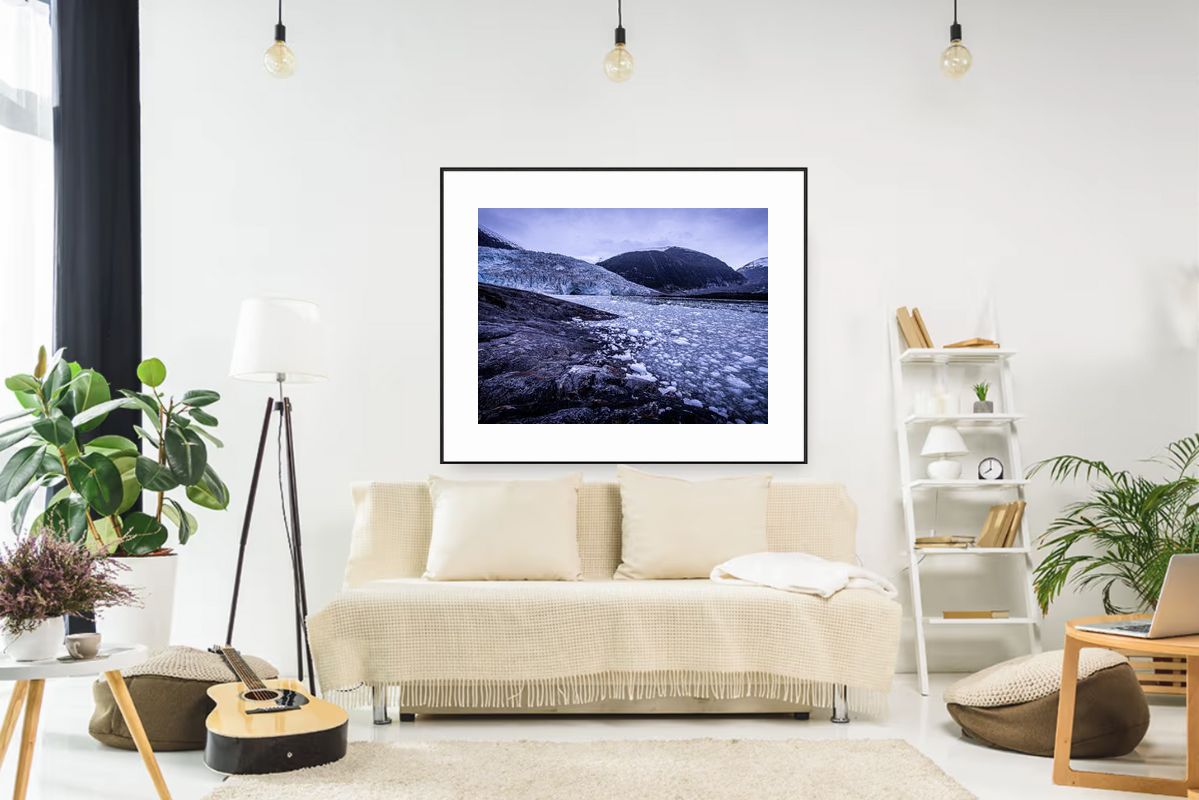
This best-selling horizontal piece from Africa addresses hallway challenges—the wide format creates sense of width in narrow spaces while fitting long hallway walls.
This award-winning vertical piece from Africa demonstrates when vertical works—fits narrow walls perfectly, creates height, and takes advantage of high ceilings in hallways.
Vertical art is ideal when:
Hallway is narrow: Vertical pieces fit narrow walls
This award-winning vertical piece from Europe shows vertical advantages—space efficiency, visual flow, and height enhancement perfect for long, narrow hallways.
This best-selling vertical piece from South America demonstrates placement strategies—works beautifully as single large piece or in multiple vertical arrangements along hallway walls.
This award-winning horizontal piece from Africa demonstrates when horizontal works—the wide format creates width enhancement in wider hallways or at hallway ends.
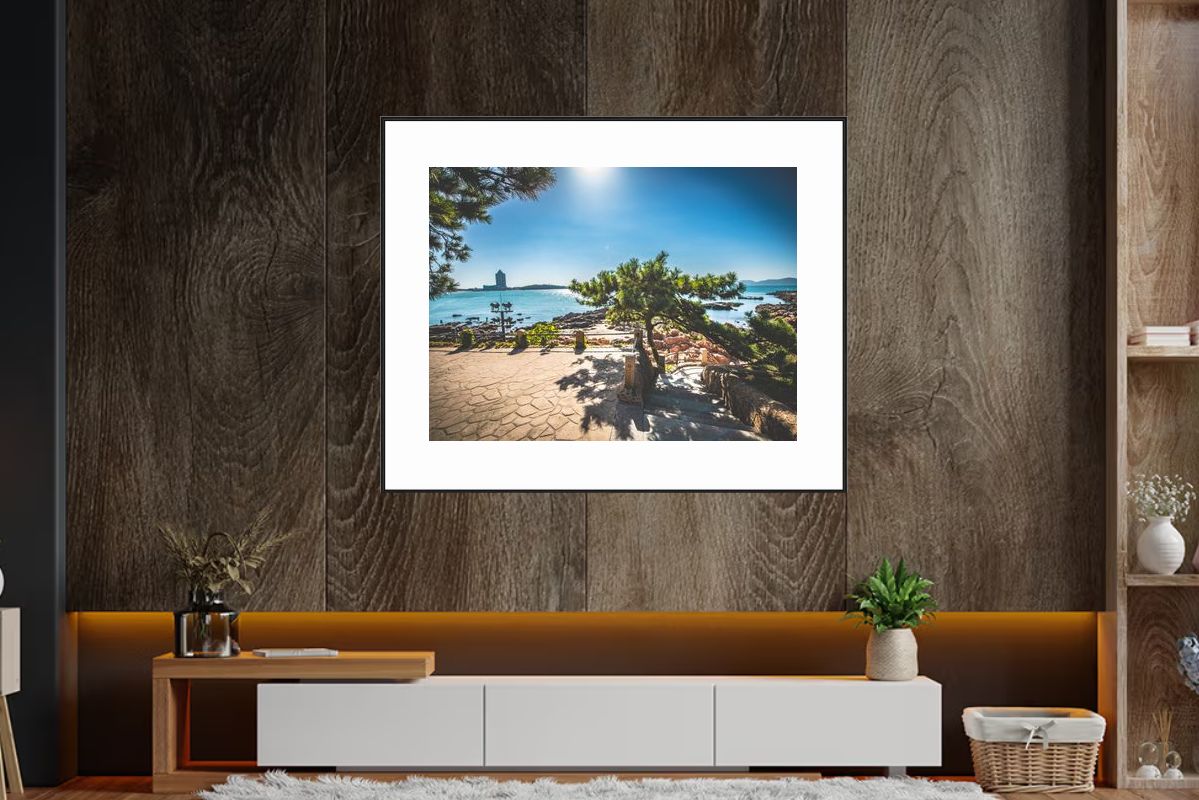
This award-winning horizontal piece from North America shows horizontal advantages—width enhancement, focal points, and balance perfect for wider hallways or feature walls.
This best-selling horizontal piece from Asia demonstrates placement strategies—works beautifully as single large piece at hallway ends or in gallery arrangements.
This award-winning square piece from South America demonstrates decision-making—the balanced square format works when hallway width and length are similar, creating perfect proportions.
Vertical art is generally better for hallways because:
Fits narrow walls naturally
Creates sense of height
Guides eye upward
Works with hallway's linear nature
More space-efficient
Horizontal art can work when:
Hallway is wider (5+ feet)
Used as single focal point
Placed at hallway end
Above furniture or console
Creating specific effect
The best choice depends on your specific hallway dimensions, traffic patterns, and design goals. Measure your space, consider how it's used, and choose art that enhances rather than fights the hallway's natural characteristics. When in doubt, vertical is usually the safer, more effective choice for most hallways.
Explore the Deserts Collection
Browse our complete collection of deserts photography with 45 prints available.