Logo
Home Decor
8 min read
Ning Ma

What is the Best Landscape Art for a Minimalist Home?

Discover how to select landscape art that enhances minimalist interiors. Learn about composition, color palettes, and subject matter that align with minimalist design principles.
#minimalist design#minimalist art#interior design#home decor#landscape art#minimalism
What is the Best Landscape Art for a Minimalist Home?

What is the Best Landscape Art for a Minimalist Home?

What is the Best Landscape Art for a Minimalist Home?

Minimalist design celebrates simplicity, functionality, and intentional choices. Every element in a minimalist home serves a purpose, and artwork is no exception. Landscape art can be perfect for minimalist spaces—if chosen carefully. Here's how to select landscapes that enhance rather than compete with minimalist aesthetics.

Understanding Minimalist Design

Core Principles

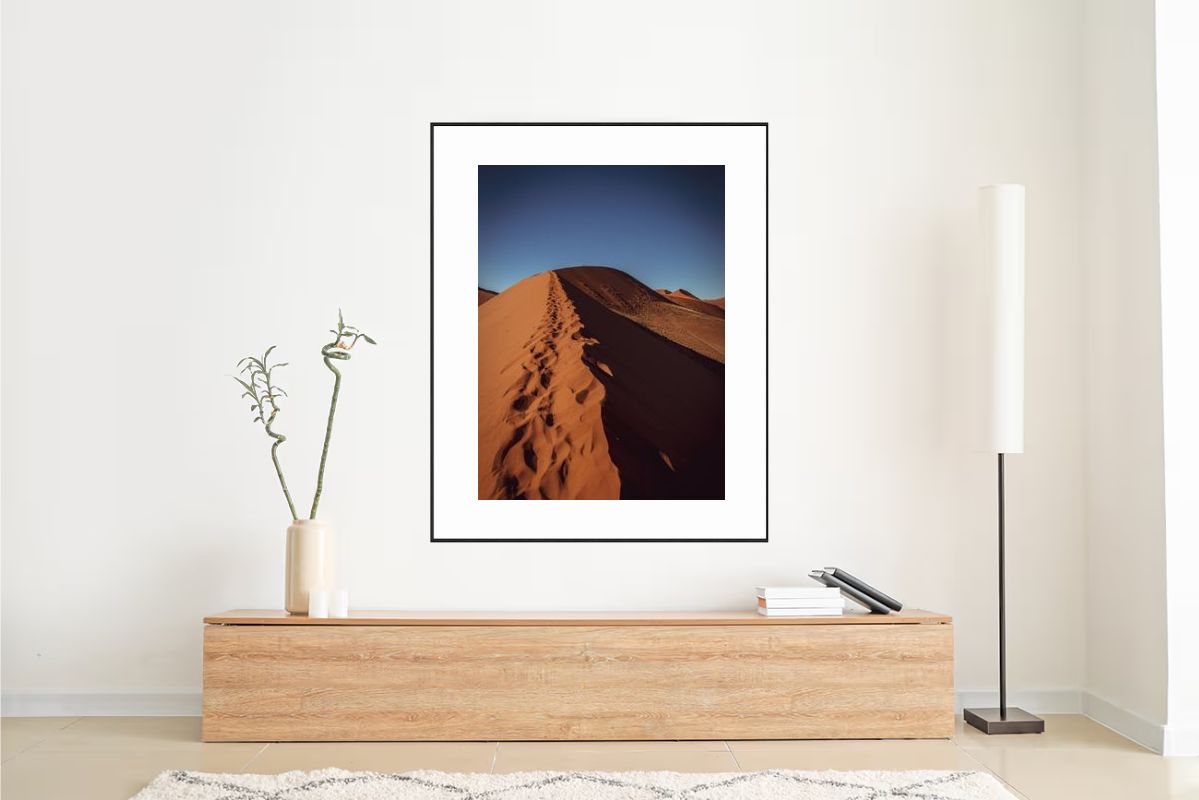
This award-winning piece from Africa embodies minimalist core principles—simplicity, functionality, intentional choices, and quality over quantity in one perfect composition.

Minimalism is built on:

  • Simplicity: Clean lines, uncluttered spaces
  • Functionality: Every item has a purpose
  • Quality over quantity: Fewer, better pieces
  • Intentional choices: Nothing is arbitrary
  • Negative space: Breathing room is as important as objects
  • Neutral palettes: Limited color, often monochrome or near-monochrome

Art's Role in Minimalism

This best-selling piece from Africa demonstrates art's role in minimalism—enhances without competing, serves a purpose, maintains simplicity, and reflects quality.

In minimalist design, art should:

  • Enhance, not compete: Support the space, don't dominate it
  • Serve a purpose: Create focal points, add texture, or introduce subtle color
  • Maintain simplicity: Clean compositions, not busy or cluttered
  • Reflect quality: Well-crafted, intentional pieces

Composition Principles

Negative Space

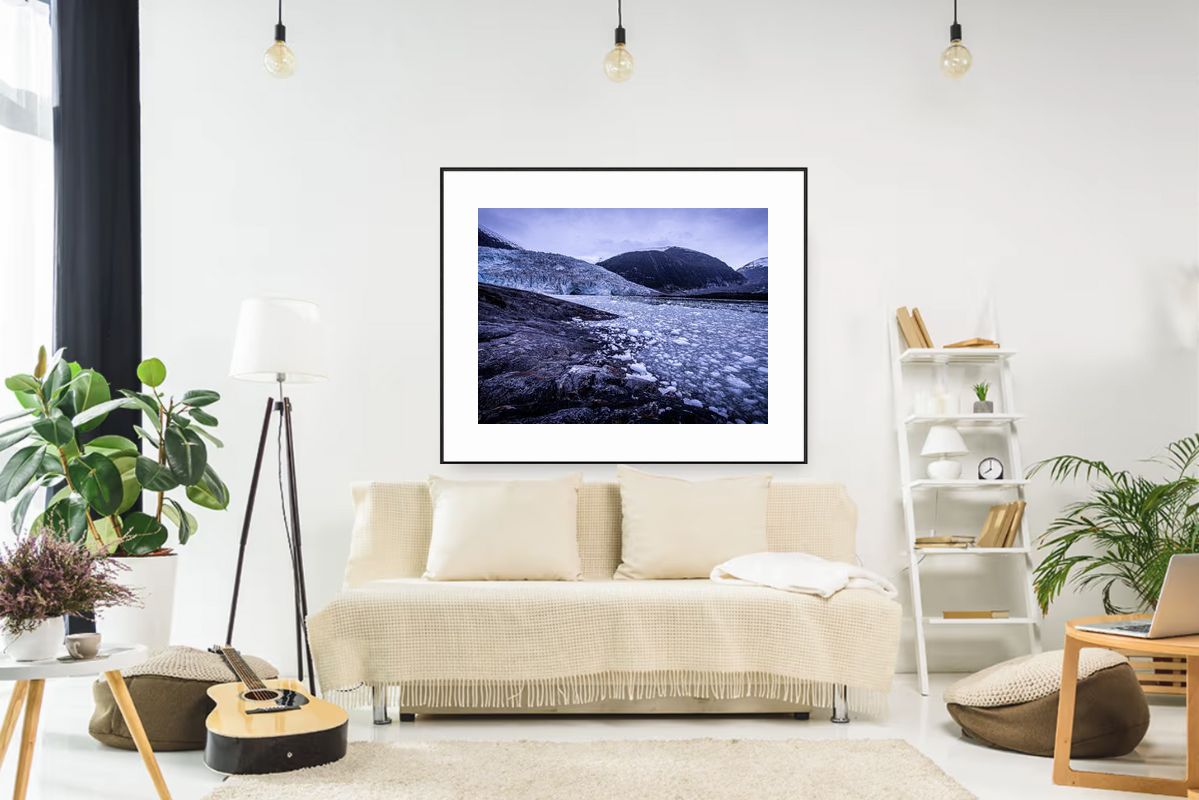
This award-winning piece from South America demonstrates negative space—lots of sky and water, simple composition, clean lines, and uncluttered scene perfect for minimalist homes.

The best minimalist landscape art features:

  • Lots of negative space: Sky, water, or open areas
  • Simple compositions: One main subject, not multiple competing elements
  • Clean lines: Strong horizontal or vertical elements
  • Uncluttered scenes: Minimal detail, maximum impact

Strong Geometric Elements

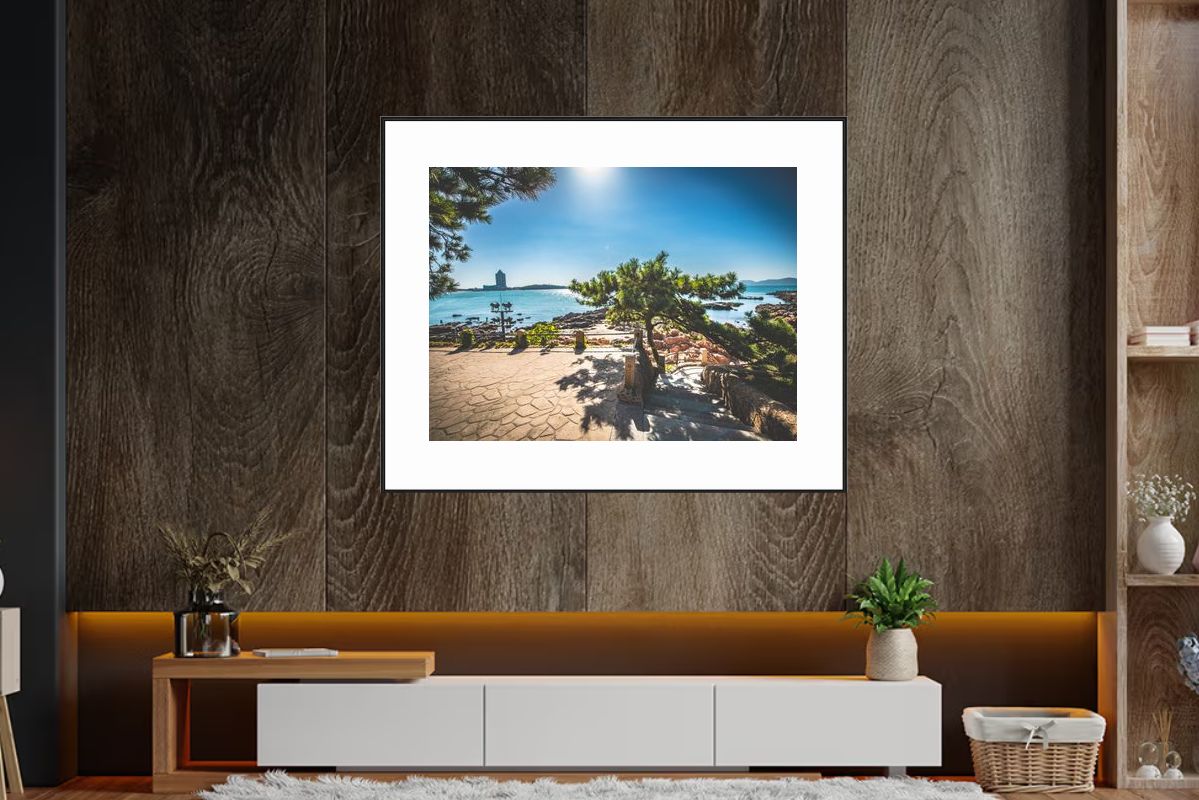
This best-selling piece from Asia demonstrates geometric elements—clear horizons, vertical elements, simple shapes, and repetitive patterns that create minimalist rhythm.

Look for landscapes with:

  • Clear horizons: Strong horizontal lines
  • Vertical elements: Trees, mountains, or structures that create vertical lines
  • Simple shapes: Circles (suns, moons), triangles (mountains), rectangles (buildings)
  • Repetitive patterns: Waves, dunes, or rows that create rhythm

Limited Detail

This award-winning piece from Africa demonstrates limited detail—focuses on essentials, avoids busy scenes, uses abstraction, and emphasizes form over detail.

Minimalist art should:

  • Focus on essentials: Only what's necessary
  • Avoid busy scenes: Too much detail breaks the minimalist aesthetic
  • Use abstraction: Simplified, graphic interpretations of landscapes
  • Emphasize form: Shape and composition over detail

Color Palettes

Monochrome

This best-selling piece from Africa demonstrates monochrome perfection—timeless black and white that works with any color scheme, focuses on composition, and maintains sophistication.

Black and white landscapes are perfect for minimalist homes:

  • Timeless: Never goes out of style
  • Versatile: Works with any color scheme
  • Focuses on composition: Color doesn't distract from form
  • Sophisticated: Clean, elegant, refined

Limited Color Palettes

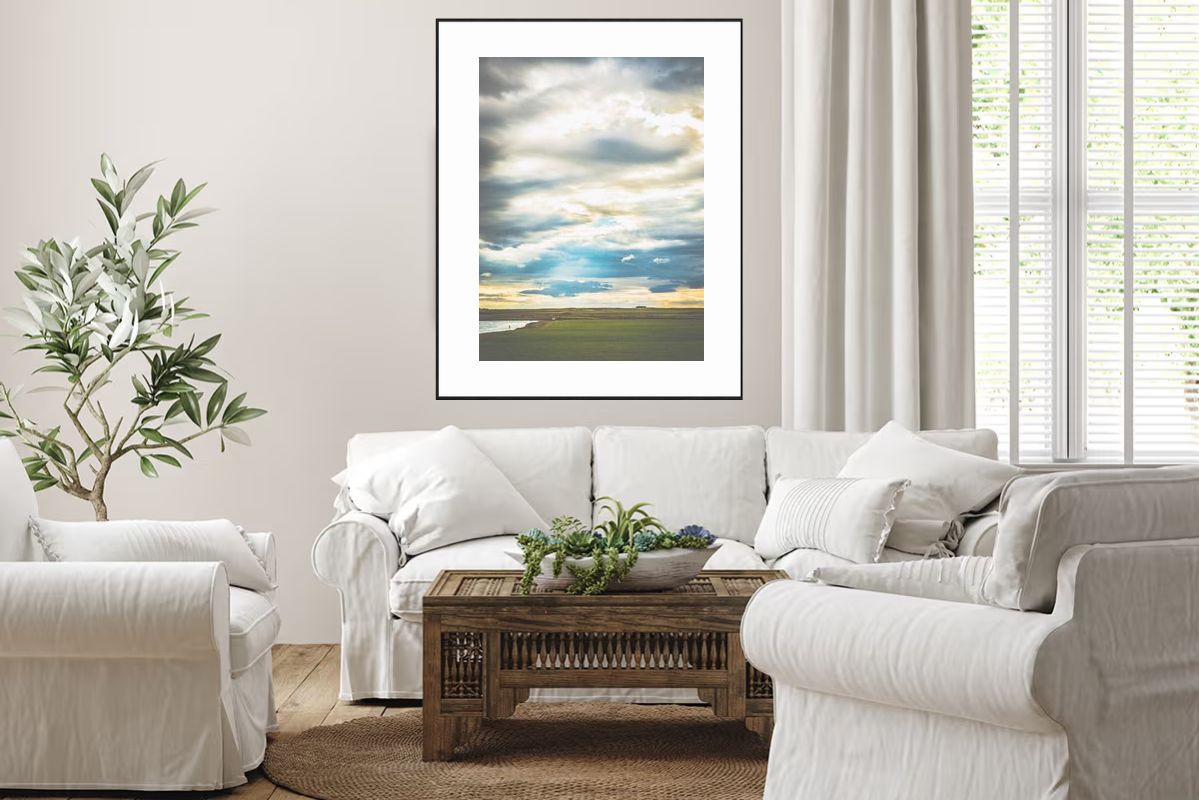
This award-winning piece from Europe demonstrates limited color palettes—muted, desaturated tones with consistent palette that supports minimalist aesthetics.

When using color:

  • One or two colors maximum: Monochromatic or duotone scenes
  • Muted, desaturated tones: Soft, not vibrant
  • Neutral colors: Grays, beiges, soft blues, or greens
  • Consistent palette: All art should share similar color families

Avoiding Color Overload

This best-selling piece from Africa demonstrates avoiding color overload—monochrome composition without rainbow palettes, saturated colors, or competing colors.

Minimalist art should avoid:

  • Rainbow palettes: Too many colors
  • Saturated colors: Too vibrant, too energetic
  • High contrast: Dramatic color differences
  • Competing colors: Multiple unrelated color families

Subject Matter

Ideal Minimalist Landscapes

This best-selling piece from Africa demonstrates ideal minimalist landscapes—simple horizons, calm water scenes, minimalist compositions, and monochrome scenes perfect for minimalist homes.

Horizons: Simple ocean or lake horizons with lots of sky

  • Clean horizontal lines
  • Minimal detail
  • Lots of negative space
  • Calming, peaceful

Deserts: Arid landscapes with simple compositions

  • Clean lines and shapes
  • Limited color palette
  • Strong geometric elements
  • Textural interest without clutter

Foggy Scenes: Misty, atmospheric landscapes

  • Soft, diffused detail
  • Monochromatic or near-monochromatic
  • Ethereal, dreamlike quality
  • Lots of negative space

Minimalist Mountains: Simplified mountain scenes

  • Strong vertical or diagonal lines
  • Limited detail
  • Clean compositions
  • Graphic quality

Abstract Landscapes: Simplified, graphic interpretations

  • Focus on form and line
  • Minimal detail
  • Strong composition
  • Contemporary feel

What to Avoid

This award-winning piece from Africa demonstrates what works—simple, uncluttered composition that avoids busy scenes, bright colors, and complex details unsuitable for minimalist spaces.

Minimalist homes should avoid:

  • Busy scenes: Too much detail, too many elements
  • Complex compositions: Multiple competing subjects
  • Vibrant colors: Too energetic for minimalist spaces
  • Cluttered landscapes: Too much visual information

Size and Scale

Less is More

In minimalist design:

  • One large piece is better than many small ones
  • Quality over quantity: Invest in fewer, better pieces
  • Strategic placement: Art should have breathing room
  • Proper proportion: Art should relate to wall and furniture size

Large Format

Minimalist homes can handle:

  • Large single pieces: 40-60 inches wide
  • Statement art: One piece that anchors a room
  • Gallery walls: Only if very carefully curated (3-5 pieces maximum)
  • Oversized art: Can work in minimalist spaces if composition is simple

Placement

Minimalist art placement:

  • Centered and balanced: Symmetrical placement
  • With breathing room: Don't crowd other elements
  • As focal points: Art should anchor the space
  • Intentional: Every piece has a purpose

Framing for Minimalism

Minimal Frames

The best frames for minimalist art:

  • Thin, simple frames: 1 inch or less
  • Neutral colors: Black, white, or natural wood
  • No ornate details: Clean, simple lines
  • Consistent style: All frames should match

Frameless Options

For the ultimate minimalist look:

  • Metal prints: No frame needed, seamless edges
  • Gallery wraps: Canvas wrapped around frame, no visible frame
  • Floating frames: Minimal, contemporary
  • No matting: Clean, modern appearance

Avoiding Traditional Framing

Minimalist spaces should avoid:

  • Ornate frames: Too decorative
  • Wide mats: Too traditional
  • Mixed frame styles: Inconsistent look
  • Decorative elements: Frames with details or patterns

Texture and Material

Surface Quality

Minimalist art benefits from:

  • Smooth surfaces: Metal prints, high-gloss finishes
  • Matte finishes: Soft, non-reflective surfaces
  • Consistent texture: All art should have similar surface quality
  • Quality materials: Premium papers, metals, or canvases

Material Choices

For minimalist homes:

  • Metal prints: Contemporary, clean, frameless
  • Fine art paper: High-quality, matte finish
  • Canvas: Gallery wrap for frameless look
  • Consistent materials: All art should use similar materials

Creating Visual Balance

Negative Space

In minimalist design:

  • Wall space is important: Don't fill every wall
  • Breathing room: Art needs space around it
  • Balance: Equal amounts of art and empty space
  • Intentional emptiness: Negative space is a design element

Focal Points

Use art to create:

  • Single focal point: One main piece per room
  • Visual hierarchy: Art should be the main visual interest
  • Anchoring elements: Art anchors the space
  • Purposeful placement: Every piece has a reason

Common Mistakes

  1. Too Many Pieces: Cluttering walls defeats minimalism
  2. Wrong Colors: Vibrant or competing colors break the aesthetic
  3. Busy Compositions: Too much detail overwhelms
  4. Poor Quality: Low-quality art undermines the minimalist philosophy
  5. Inconsistent Style: Mixed styles create visual chaos
  6. Ignoring Scale: Wrong size disrupts balance

Conclusion

The best landscape art for minimalist homes:

  • Features simple, clean compositions
  • Uses limited color palettes (monochrome or near-monochrome)
  • Has lots of negative space
  • Is high quality and intentional
  • Uses minimal, modern framing
  • Serves a clear purpose in the space

Remember, minimalism is about intentional choices. Every piece of art in a minimalist home should be carefully selected, high quality, and serve a purpose. The right landscape photograph can enhance your minimalist space by adding visual interest without clutter, introducing subtle texture or color, and creating focal points that support the overall design. Choose art that embodies the same principles as your minimalist home: simplicity, quality, and intentionality.

Explore the Deserts Collection

Browse our complete collection of deserts photography with 45 prints available.